Nursing practice questions with comprehensive rationales
NurseDive Free Nursing Practice Question
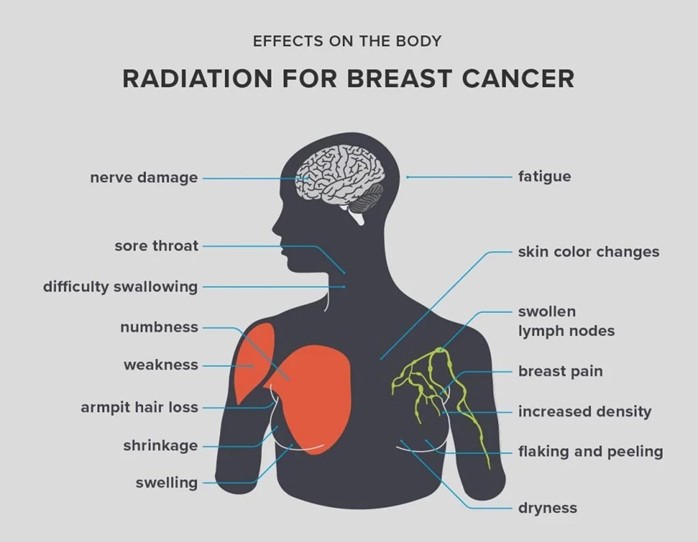
A nurse is preparing a client for radiation treatment who is postoperative following a mastectomy. The nurse should inform the client to expect which of the following adverse effects from the treatment?
A. Diarrhea
Diarrhea is not the correct answer because it is not a common adverse effect of radiation treatment for breast cancer. Diarrhea is a condition that causes loose, watery, or frequent stools. It can be caused by various factors such as infection, medication, or food intolerance. It is more likely to occur as an adverse effect of radiation treatment for cancers that affect the digestive system, such as colorectal or stomach cancer.
B. Anorexia
Anorexia is not the correct answer because it is not a common adverse effect of radiation treatment for breast cancer. Anorexia is a condition that causes loss of appetite or interest in food. It can be caused by various factors such as depression, stress, or nausea. It is more likely to occur as an adverse effect of chemotherapy or other systemic treatments for cancer that affect the whole body.
C. Fatigue
Fatigue is the correct answer because it is a common adverse effect of radiation treatment for breast cancer. Fatigue is a condition that causes extreme tiredness or exhaustion that is not relieved by rest or sleep. It can be caused by various factors such as anemia, inflammation, or pain. It is a common adverse effect of radiation treatment for any type of cancer, as radiation can damage healthy cells and tissues and affect the body's energy production.
D. Alopecia
Alopecia is not the correct answer because it is not a common adverse effect of radiation treatment for breast cancer. Alopecia is a condition that causes hair loss or thinning on the scalp or other parts of the body. It can be caused by various factors such as genetics, hormones, or infection. It is more likely to occur as an adverse effect of chemotherapy or other systemic treatments for cancer that affect the whole body.
This question is an excerpt from Nurse Dive's nursing test bank - ATI Maternal Newborn Rn Proctored Exam. Take the full exam now
Full Explanation
Choice A: Diarrhea is not the correct answer because it is not a common adverse effect of radiation treatment for breast cancer. Diarrhea is a condition that causes loose, watery, or frequent stools. It can be caused by various factors such as infection, medication, or food intolerance. It is more likely to occur as an adverse effect of radiation treatment for cancers that affect the digestive system, such as colorectal or stomach cancer.
Choice B: Anorexia is not the correct answer because it is not a common adverse effect of radiation treatment for breast cancer. Anorexia is a condition that causes loss of appetite or interest in food. It can be caused by various factors such as depression, stress, or nausea. It is more likely to occur as an adverse effect of chemotherapy or other systemic treatments for cancer that affect the whole body.
Choice C: Fatigue is the correct answer because it is a common adverse effect of radiation treatment for breast cancer. Fatigue is a condition that causes extreme tiredness or exhaustion that is not relieved by rest or sleep. It can be caused by various factors such as anemia, inflammation, or pain. It is a common adverse effect of radiation treatment for any type of cancer, as radiation can damage healthy cells and tissues and affect the body's energy production.
Choice D: Alopecia is not the correct answer because it is not a common adverse effect of radiation treatment for breast cancer. Alopecia is a condition that causes hair loss or thinning on the scalp or other parts of the body. It can be caused by various factors such as genetics, hormones, or infection. It is more likely to occur as an adverse effect of chemotherapy or other systemic treatments for cancer that affect the whole body.
Similar Questions
A client is to receive enoxaparin 30 mg subcutaneously. Available is enoxaparin 40 mg/mL. How many mL should the nurse administer?
(Round the answer to the nearest tenth. Use a leading zero if it applies. Do not use a trailing zero.)
Full Explanation
- To find out how many mL to administer for a medication dose, we need to use this formula: mL = (dose in mg) / (concentration in mg/mL)
- In this formula, the dose in mg is the amount of medication ordered by the provider, and concentration in mg/mL is the strength of medication available in the vial or syringe.
- We plug in the given values into this formula: mL = (30 mg) / (40 mg/mL)
- We simplify and solve this equation: mL = 0.75 mL
- We round off to the nearest tenth: mL = **0.8 mL**
- We add a leading zero if needed: mL = **0.8 mL**
- We do not add a trailing zero: mL = **0.8 mL**
I can help you with formatting and editing the text. Here are the edited texts:
Text 1:
A client is diagnosed with uterine fibroids. When reviewing the client's health history, the nurse would identify which finding is associated with the client's condition.
A. Upper back pain
Upper back pain is not the correct answer because it is not a common finding associated with uterine fibroids. Upper back pain is a feeling of discomfort or ache in the upper part of the back, between the shoulder blades, or below the neck. It can be caused by various factors such as muscle strain, poor posture, or spinal problems. It is not related to the presence or growth of benign tumors in the uterus.
B. Chronic pelvic pain
Chronic pelvic pain is the correct answer because it is a common finding associated with uterine fibroids. Chronic pelvic pain is a feeling of discomfort or ache in the lower abdomen or pelvis that lasts for more than six months. It can be caused by various factors such as endometriosis, ovarian cysts, or infection. It is also related to the presence or growth of benign tumors in the uterus, which can press on nerves, blood vessels, or organs and cause inflammation, bleeding, or scarring.
C. Amenorrhea
Amenorrhea is not the correct answer because it is not a common finding associated with uterine fibroids. Amenorrhea is a condition that causes the absence of menstrual periods for more than three months in a woman who is not pregnant, breastfeeding, or menopausal. It can be caused by various factors such as hormonal imbalance, stress, or weight loss. It is not related to the presence or growth of benign tumors in the uterus, which can cause heavy or irregular menstrual bleeding instead.
D. Diarrhea
Diarrhea is not the correct answer because it is not a common finding associated with uterine fibroids. Diarrhea is a condition that causes loose, watery, or frequent stools. It can be caused by various factors such as infection, medication, or food intolerance. It is not related to the presence or growth of benign tumors in the uterus, which can cause constipation or bloating instead.
Full Explanation
Choice A: Upper back pain is not the correct answer because it is not a common finding associated with uterine fibroids. Upper back pain is a feeling of discomfort or ache in the upper part of the back, between the shoulder blades, or below the neck. It can be caused by various factors such as muscle strain, poor posture, or spinal problems. It is not related to the presence or growth of benign tumors in the uterus.
Choice B: Chronic pelvic pain is the correct answer because it is a common finding associated with uterine fibroids. Chronic pelvic pain is a feeling of discomfort or ache in the lower abdomen or pelvis that lasts for more than six months. It can be caused by various factors such as endometriosis, ovarian cysts, or infection. It is also related to the presence or growth of benign tumors in the uterus, which can press on nerves, blood vessels, or organs and cause inflammation, bleeding, or scarring.
Choice C: Amenorrhea is not the correct answer because it is not a common finding associated with uterine fibroids. Amenorrhea is a condition that causes the absence of menstrual periods for more than three months in a woman who is not pregnant, breastfeeding, or menopausal. It can be caused by various factors such as hormonal imbalance, stress, or weight loss. It is not related to the presence or growth of benign tumors in the uterus, which can cause heavy or irregular menstrual bleeding instead.
Choice D: Diarrhea is not the correct answer because it is not a common finding associated with uterine fibroids. Diarrhea is a condition that causes loose, watery, or frequent stools. It can be caused by various factors such as infection, medication, or food intolerance. It is not related to the presence or growth of benign tumors in the uterus, which can cause constipation or bloating instead.
A woman with breast cancer is undergoing chemotherapy. Which side effect would the nurse interpret as being most serious?
A. Vomiting
Vomiting is not the most serious side effect because it is a common and manageable side effect of chemotherapy. Vomiting is a reflex action that expels the contents of the stomach through the mouth. It can be caused by various factors such as nausea, motion sickness, or infection. It can also be caused by chemotherapy, which can irritate the lining of the stomach or trigger the vomiting center in the brain. Vomiting can be prevented or treated with antiemetic drugs, hydration, and dietary changes.
B. Fatigue
Fatigue is not the most serious side effect because it is a common and manageable side effect of chemotherapy. Fatigue is a condition that causes extreme tiredness or exhaustion that is not relieved by rest or sleep. It can be caused by various factors such as anemia, inflammation, or pain. It can also be caused by chemotherapy, which can damage healthy cells and tissues and affect the body's energy production. Fatigue can be managed with exercise, nutrition, and stress reduction.
C. Hair loss
Hair loss is not the most serious side effect because it is a common and temporary side effect of chemotherapy. Hair loss is a condition that causes hair to fall out from the scalp or other parts of the body. It can be caused by various factors such as genetics, hormones, or infection. It can also be caused by chemotherapy, which can target rapidly dividing cells such as hair follicles and prevent hair growth. Hair loss usually occurs within two to four weeks after starting chemotherapy and reverses within six months after stopping chemotherapy.
D. Myelosuppression
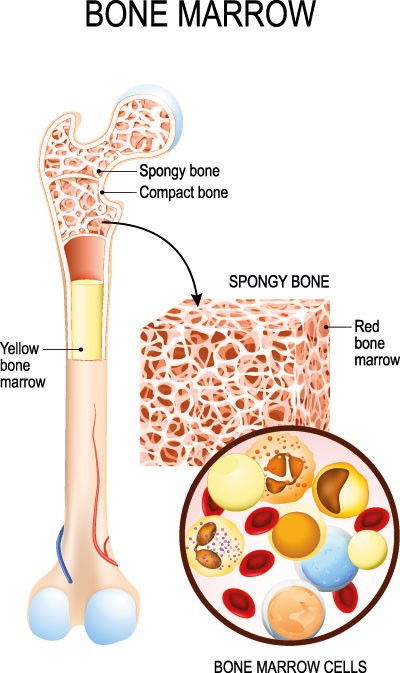
Myelosuppression is the most serious side effect because it is a rare and life-threatening side effect of chemotherapy. Myelosuppression is a condition that causes a decrease in the production of blood cells in the bone marrow. It can lead to anemia (low red blood cells), neutropenia (low white blood cells), and thrombocytopenia (low platelets), which can cause symptoms such as weakness, infection, and bleeding. It can also be caused by chemotherapy, which can target rapidly dividing cells such as bone marrow cells and impair blood cell formation. Myelosuppression requires close monitoring and treatment with blood transfusions, growth factors, or antibiotics.
Full Explanation
Choice A: Vomiting is not the most serious side effect because it is a common and manageable side effect of chemotherapy. Vomiting is a reflex action that expels the contents of the stomach through the mouth. It can be caused by various factors such as nausea, motion sickness, or infection. It can also be caused by chemotherapy, which can irritate the lining of the stomach or trigger the vomiting center in the brain. Vomiting can be prevented or treated with antiemetic drugs, hydration, and dietary changes.
Choice B: Fatigue is not the most serious side effect because it is a common and manageable side effect of chemotherapy. Fatigue is a condition that causes extreme tiredness or exhaustion that is not relieved by rest or sleep. It can be caused by various factors such as anemia, inflammation, or pain. It can also be caused by chemotherapy, which can damage healthy cells and tissues and affect the body's energy production. Fatigue can be managed with exercise, nutrition, and stress reduction.
Choice C: Hair loss is not the most serious side effect because it is a common and temporary side effect of chemotherapy. Hair loss is a condition that causes hair to fall out from the scalp or other parts of the body. It can be caused by various factors such as genetics, hormones, or infection. It can also be caused by chemotherapy, which can target rapidly dividing cells such as hair follicles and prevent hair growth. Hair loss usually occurs within two to four weeks after starting chemotherapy and reverses within six months after stopping chemotherapy.
Choice D: Myelosuppression is the most serious side effect because it is a rare and life-threatening side effect of chemotherapy. Myelosuppression is a condition that causes a decrease in the production of blood cells in the bone marrow. It can lead to anemia (low red blood cells), neutropenia (low white blood cells), and thrombocytopenia (low platelets), which can cause symptoms such as weakness, infection, and bleeding. It can also be caused by chemotherapy, which can target rapidly dividing cells such as bone marrow cells and impair blood cell formation. Myelosuppression requires close monitoring and treatment with blood transfusions, growth factors, or antibiotics.