
Nursing practice questions with comprehensive rationales
NurseDive Free Nursing Practice Question
A woman with breast cancer is undergoing chemotherapy. Which side effect would the nurse interpret as being most serious?
A. Vomiting
Vomiting is not the most serious side effect because it is a common and manageable side effect of chemotherapy. Vomiting is a reflex action that expels the contents of the stomach through the mouth. It can be caused by various factors such as nausea, motion sickness, or infection. It can also be caused by chemotherapy, which can irritate the lining of the stomach or trigger the vomiting center in the brain. Vomiting can be prevented or treated with antiemetic drugs, hydration, and dietary changes.
B. Fatigue
Fatigue is not the most serious side effect because it is a common and manageable side effect of chemotherapy. Fatigue is a condition that causes extreme tiredness or exhaustion that is not relieved by rest or sleep. It can be caused by various factors such as anemia, inflammation, or pain. It can also be caused by chemotherapy, which can damage healthy cells and tissues and affect the body's energy production. Fatigue can be managed with exercise, nutrition, and stress reduction.
C. Hair loss
Hair loss is not the most serious side effect because it is a common and temporary side effect of chemotherapy. Hair loss is a condition that causes hair to fall out from the scalp or other parts of the body. It can be caused by various factors such as genetics, hormones, or infection. It can also be caused by chemotherapy, which can target rapidly dividing cells such as hair follicles and prevent hair growth. Hair loss usually occurs within two to four weeks after starting chemotherapy and reverses within six months after stopping chemotherapy.
D. Myelosuppression
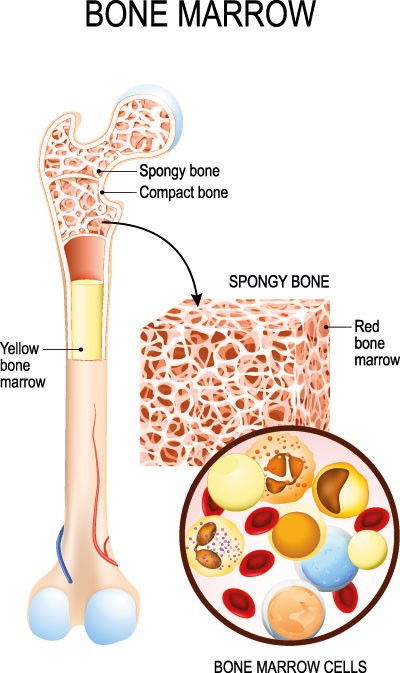
Myelosuppression is the most serious side effect because it is a rare and life-threatening side effect of chemotherapy. Myelosuppression is a condition that causes a decrease in the production of blood cells in the bone marrow. It can lead to anemia (low red blood cells), neutropenia (low white blood cells), and thrombocytopenia (low platelets), which can cause symptoms such as weakness, infection, and bleeding. It can also be caused by chemotherapy, which can target rapidly dividing cells such as bone marrow cells and impair blood cell formation. Myelosuppression requires close monitoring and treatment with blood transfusions, growth factors, or antibiotics.
This question is an excerpt from Nurse Dive's nursing test bank - ATI Maternal Newborn Rn Proctored Exam. Take the full exam now
Full Explanation
Choice A: Vomiting is not the most serious side effect because it is a common and manageable side effect of chemotherapy. Vomiting is a reflex action that expels the contents of the stomach through the mouth. It can be caused by various factors such as nausea, motion sickness, or infection. It can also be caused by chemotherapy, which can irritate the lining of the stomach or trigger the vomiting center in the brain. Vomiting can be prevented or treated with antiemetic drugs, hydration, and dietary changes.
Choice B: Fatigue is not the most serious side effect because it is a common and manageable side effect of chemotherapy. Fatigue is a condition that causes extreme tiredness or exhaustion that is not relieved by rest or sleep. It can be caused by various factors such as anemia, inflammation, or pain. It can also be caused by chemotherapy, which can damage healthy cells and tissues and affect the body's energy production. Fatigue can be managed with exercise, nutrition, and stress reduction.
Choice C: Hair loss is not the most serious side effect because it is a common and temporary side effect of chemotherapy. Hair loss is a condition that causes hair to fall out from the scalp or other parts of the body. It can be caused by various factors such as genetics, hormones, or infection. It can also be caused by chemotherapy, which can target rapidly dividing cells such as hair follicles and prevent hair growth. Hair loss usually occurs within two to four weeks after starting chemotherapy and reverses within six months after stopping chemotherapy.
Choice D: Myelosuppression is the most serious side effect because it is a rare and life-threatening side effect of chemotherapy. Myelosuppression is a condition that causes a decrease in the production of blood cells in the bone marrow. It can lead to anemia (low red blood cells), neutropenia (low white blood cells), and thrombocytopenia (low platelets), which can cause symptoms such as weakness, infection, and bleeding. It can also be caused by chemotherapy, which can target rapidly dividing cells such as bone marrow cells and impair blood cell formation. Myelosuppression requires close monitoring and treatment with blood transfusions, growth factors, or antibiotics.
Similar Questions
A nurse is caring for a client who is one day postoperative following a left radical mastectomy. Which of the following behaviors should alert the nurse to the possibility that the client is having difficulty adjusting to the loss of her breast?
A. Refusing to look at the dressing or surgical incision
Refusing to look at the dressing or surgical incision is the correct answer because it is a behavior that may indicate difficulty adjusting to the loss of her breast. Refusing to look at the dressing or surgical incision may reflect denial, avoidance, or fear of facing the reality of the surgery and its consequences. It may also indicate low self-esteem, body image disturbance, or depression. The nurse should assess the client's emotional state and provide support and education.
B. Asking questions about the information on her postoperative care pamphlet
Asking questions about the information on her postoperative care pamphlet is not the correct answer because it is a behavior that may indicate a positive adjustment to the loss of her breast. Asking questions about the information on her postoperative care pamphlet may reflect acceptance, curiosity, or motivation to learn about her condition and treatment. It may also indicate high self-efficacy, coping skills, or optimism. The nurse should encourage the client's involvement and provide clear and accurate information.
C. Performing arm exercises once or twice a day
Performing arm exercises once or twice a day is not the correct answer because it is a behavior that may indicate a positive adjustment to the loss of her breast. Performing arm exercises once or twice a day may reflect compliance, responsibility, or self-care. It may also indicate physical recovery, functional ability, or quality of life. The nurse should reinforce the client's efforts and provide feedback and guidance.
D. Asking for pain medication every 3 hours
Asking for pain medication every 3 hours is not the correct answer because it is a behavior that may indicate a normal response to the loss of her breast. Asking for pain medication every 3 hours may reflect pain management, comfort, or relief. It may also indicate trust, communication, or satisfaction with care. The nurse should assess the client's pain level and provide adequate and timely pain relief.
Full Explanation
Choice A: Refusing to look at the dressing or surgical incision is the correct answer because it is a behavior that may indicate difficulty adjusting to the loss of her breast. Refusing to look at the dressing or surgical incision may reflect denial, avoidance, or fear of facing the reality of the surgery and its consequences. It may also indicate low self-esteem, body image disturbance, or depression. The nurse should assess the client's emotional state and provide support and education.
Choice B: Asking questions about the information on her postoperative care pamphlet is not the correct answer because it is a behavior that may indicate a positive adjustment to the loss of her breast. Asking questions about the information on her postoperative care pamphlet may reflect acceptance, curiosity, or motivation to learn about her condition and treatment. It may also indicate high self-efficacy, coping skills, or optimism. The nurse should encourage the client's involvement and provide clear and accurate information.
Choice C: Performing arm exercises once or twice a day is not the correct answer because it is a behavior that may indicate a positive adjustment to the loss of her breast. Performing arm exercises once or twice a day may reflect compliance, responsibility, or self-care. It may also indicate physical recovery, functional ability, or quality of life. The nurse should reinforce the client's efforts and provide feedback and guidance.
Choice D: Asking for pain medication every 3 hours is not the correct answer because it is a behavior that may indicate a normal response to the loss of her breast. Asking for pain medication every 3 hours may reflect pain management, comfort, or relief. It may also indicate trust, communication, or satisfaction with care. The nurse should assess the client's pain level and provide adequate and timely pain relief.
A nurse is assessing a female client and suspects that the client may have endometrial polyps based on which clinical manifestation?
A. Bleeding between menses
Bleeding between menses is not the correct answer because it is not a specific clinical manifestation of endometrial polyps. Bleeding between menses is a condition that causes spotting or bleeding at any time other than during the normal menstrual period. It can be caused by various factors such as hormonal imbalance, infection, or pregnancy. It can also occur in some women with endometrial polyps, but it is not a definitive sign of them.
B. Bleeding after intercourse
Bleeding after intercourse is not the correct answer because it is not a specific clinical manifestation of endometrial polyps. Bleeding after intercourse is a condition that causes bleeding from the vagina or cervix after sexual activity. It can be caused by various factors such as trauma, infection, or cancer. It can also occur in some women with endometrial polyps, but it is not a definitive sign of them.
C. Metrorrhagia
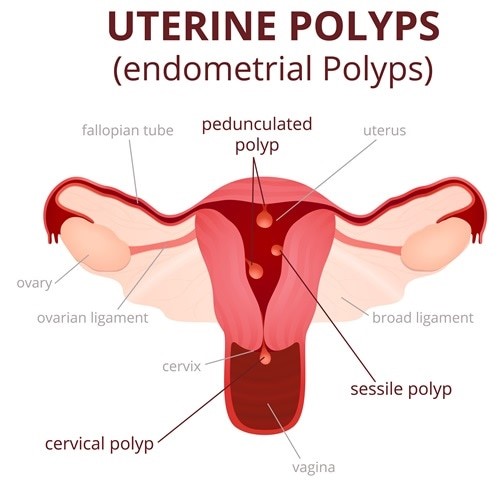
Metrorrhagia is the correct answer because it is a specific clinical manifestation of endometrial polyps. Metrorrhagia is a condition that causes irregular or excessive bleeding from the uterus that is unrelated to the menstrual cycle. It can be caused by various factors such as polyps, fibroids, or cancer. It is a common symptom of endometrial polyps, which are benign growths of the endometrium (the lining of the uterus) that can protrude into the uterine cavity and cause bleeding.
D. Vaginal discharge
Vaginal discharge is not the correct answer because it is not a specific clinical manifestation of endometrial polyps. Vaginal discharge is a fluid that comes out of the vagina and varies in color, consistency, and odor depending on the phase of the menstrual cycle, sexual activity, or health status. It can be caused by various factors such as normal secretions, infection, or inflammation. It is not a common symptom of endometrial polyps, which do not usually affect the vaginal flora or pH.
Full Explanation
Choice A: Bleeding between menses is not the correct answer because it is not a specific clinical manifestation of endometrial polyps. Bleeding between menses is a condition that causes spotting or bleeding at any time other than during the normal menstrual period. It can be caused by various factors such as hormonal imbalance, infection, or pregnancy. It can also occur in some women with endometrial polyps, but it is not a definitive sign of them.
Choice B: Bleeding after intercourse is not the correct answer because it is not a specific clinical manifestation of endometrial polyps. Bleeding after intercourse is a condition that causes bleeding from the vagina or cervix after sexual activity. It can be caused by various factors such as trauma, infection, or cancer. It can also occur in some women with endometrial polyps, but it is not a definitive sign of them.
Choice C: Metrorrhagia is the correct answer because it is a specific clinical manifestation of endometrial polyps. Metrorrhagia is a condition that causes irregular or excessive bleeding from the uterus that is unrelated to the menstrual cycle. It can be caused by various factors such as polyps, fibroids, or cancer. It is a common symptom of endometrial polyps, which are benign growths of the endometrium (the lining of the uterus) that can protrude into the uterine cavity and cause bleeding.
Choice D: Vaginal discharge is not the correct answer because it is not a specific clinical manifestation of endometrial polyps. Vaginal discharge is a fluid that comes out of the vagina and varies in color, consistency, and odor depending on the phase of the menstrual cycle, sexual activity, or health status. It can be caused by various factors such as normal secretions, infection, or inflammation. It is not a common symptom of endometrial polyps, which do not usually affect the vaginal flora or pH.
A nurse is reviewing contraception options for four clients. The nurse should identify which of the following clients has a contraindication for receiving oral contraceptives.
A. A 26-year-old client who has migraine headaches at the start of each menstrual cycle
A 26-year-old client who has migraine headaches at the start of each menstrual cycle does not have a contraindication for receiving oral contraceptives. Oral contraceptives are pills that contain synthetic hormones (estrogen and progestin) that prevent ovulation and pregnancy. They can also help regulate menstrual cycles and reduce menstrual pain and bleeding. Some women with migraine headaches may benefit from oral contraceptives, especially if their migraines are related to hormonal fluctuations or menstruation. However, oral contraceptives may worsen migraines in some women, especially if they have aura (visual or sensory disturbances) or other risk factors for stroke. Therefore, oral contraceptives should be used with caution and under medical supervision in women with migraine headaches.
B. A 28-year-old client who has a history of pelvic inflammatory disease
A 28-year-old client who has a history of pelvic inflammatory disease does not have a contraindication for receiving oral contraceptives. Pelvic inflammatory disease (PID) is an infection of the female reproductive organs (uterus, fallopian tubes, ovaries) that can cause pain, fever, discharge, or infertility. It can be caused by various bacteria, often sexually transmitted ones such as gonorrhea or chlamydia. Oral contraceptives do not protect against STIs or PID, but they may reduce the risk of PID by thickening the cervical mucus and preventing bacteria from entering the uterus. Therefore, oral contraceptives can be used safely in women with a history of PID, but they should also use condoms or other barrier methods to prevent STIs.
C. A 32-year-old client who has benign breast disease
A 32-year-old client who has benign breast disease does not have a contraindication for receiving oral contraceptives. Benign breast disease (BBD) is a term that refers to various noncancerous conditions that affect the breast tissue, such as cysts, fibroadenomas, or mastitis. They can cause symptoms such as lumps, pain, or tenderness in the breasts. Oral contraceptives do not cause or increase the risk of BBD, but they may improve some symptoms of BBD by stabilizing the hormonal levels and reducing breast tissue sensitivity. Therefore, oral contraceptives can be used safely in women with BBD, but they should also have regular breast exams and mammograms to monitor their breast health.
D. A 38-year-old client who reports smoking one pack of cigarettes every day
A 38-year-old client who reports smoking one pack of cigarettes every day has a contraindication for receiving oral contraceptives. Smoking is a habit that involves inhaling the smoke of tobacco or other substances that can cause various health problems, such as lung cancer, heart disease, or stroke. Oral contraceptives can increase the risk of these problems, especially in women who are older than 35 years or smoke more than 15 cigarettes per day. Smoking and oral contraceptives can interact and cause blood clots, high blood pressure, or reduced blood flow to the organs. Therefore, oral contraceptives should be avoided or discontinued in women who smoke, and alternative methods of contraception should be used.
Full Explanation
Choice A: A 26-year-old client who has migraine headaches at the start of each menstrual cycle does not have a contraindication for receiving oral contraceptives. Oral contraceptives are pills that contain synthetic hormones (estrogen and progestin) that prevent ovulation and pregnancy. They can also help regulate menstrual cycles and reduce menstrual pain and bleeding. Some women with migraine headaches may benefit from oral contraceptives, especially if their migraines are related to hormonal fluctuations or menstruation. However, oral contraceptives may worsen migraines in some women, especially if they have aura (visual or sensory disturbances) or other risk factors for stroke. Therefore, oral contraceptives should be used with caution and under medical supervision in women with migraine headaches.
Choice B: A 28-year-old client who has a history of pelvic inflammatory disease does not have a contraindication for receiving oral contraceptives. Pelvic inflammatory disease (PID) is an infection of the female reproductive organs (uterus, fallopian tubes, ovaries) that can cause pain, fever, discharge, or infertility. It can be caused by various bacteria, often sexually transmitted ones such as gonorrhea or chlamydia. Oral contraceptives do not protect against STIs or PID, but they may reduce the risk of PID by thickening the cervical mucus and preventing bacteria from entering the uterus. Therefore, oral contraceptives can be used safely in women with a history of PID, but they should also use condoms or other barrier methods to prevent STIs.
Choice C: A 32-year-old client who has benign breast disease does not have a contraindication for receiving oral contraceptives. Benign breast disease (BBD) is a term that refers to various noncancerous conditions that affect the breast tissue, such as cysts, fibroadenomas, or mastitis. They can cause symptoms such as lumps, pain, or tenderness in the breasts. Oral contraceptives do not cause or increase the risk of BBD, but they may improve some symptoms of BBD by stabilizing the hormonal levels and reducing breast tissue sensitivity. Therefore, oral contraceptives can be used safely in women with BBD, but they should also have regular breast exams and mammograms to monitor their breast health.
Choice D: A 38-year-old client who reports smoking one pack of cigarettes every day has a contraindication for receiving oral contraceptives. Smoking is a habit that involves inhaling the smoke of tobacco or other substances that can cause various health problems, such as lung cancer, heart disease, or stroke. Oral contraceptives can increase the risk of these problems, especially in women who are older than 35 years or smoke more than 15 cigarettes per day. Smoking and oral contraceptives can interact and cause blood clots, high blood pressure, or reduced blood flow to the organs. Therefore, oral contraceptives should be avoided or discontinued in women who smoke, and alternative methods of contraception should be used.