Nursing practice questions with comprehensive rationales
NurseDive Free Nursing Practice Question
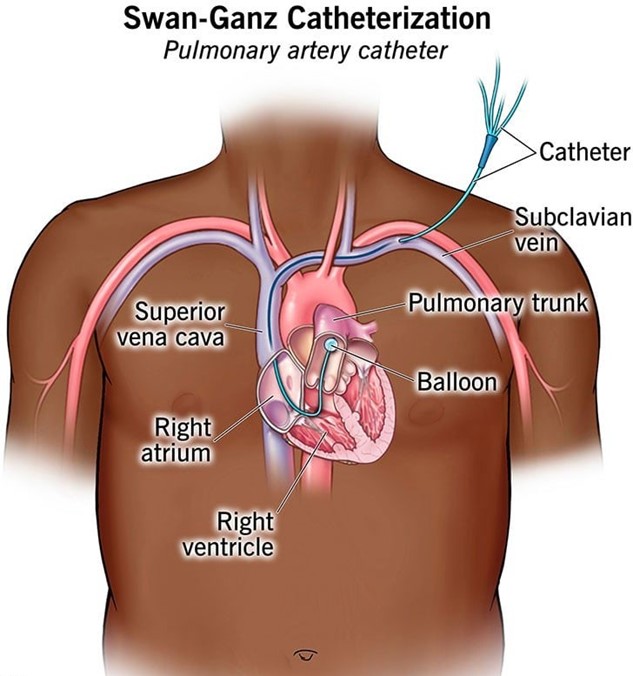
A nurse is preparing a client for transfer to the ICU for placement of a pulmonary artery catheter. The nurse should explain to the client that this catheter is used to monitor which of the following conditions?
A. Hemodynamic status
Reason: This is correct because a pulmonary artery catheter is a device that measures the pressures and flows in the heart and lungs, such as the pulmonary artery pressure, the pulmonary artery wedge pressure, the cardiac output, and the mixed venous oxygen saturation. These parameters reflect the hemodynamic status of the client, which is the balance between the cardiac output and the systemic vascular resistance.
B. Spinal cord perfusion
Reason: This is incorrect because a pulmonary artery catheter does not measure spinal cord perfusion, which is the blood flow to the spinal cord. Spinal cord perfusion can be affected by spinal cord injury, spinal anesthesia, or spinal surgery.
C. Renal function
Reason: This is incorrect because a pulmonary artery catheter does not measure renal function, which is the ability of the kidneys to filter waste products and maintain fluid and electrolyte balance. Renal function can be assessed by urine output, blood urea nitrogen, creatinine, and glomerular filtration rate.
D. Intracranial pressure
Reason: This is incorrect because a pulmonary artery catheter does not measure intracranial pressure, which is the pressure inside the skull. Intracranial pressure can be increased by brain injury, stroke, tumor, infection, or hydrocephalus.
This question is an excerpt from Nurse Dive's nursing test bank - ATI Med Surg Custom N235 Final Summer 2023 Proctored Exam. Take the full exam now
Full Explanation
Choice A Reason: This is correct because a pulmonary artery catheter is a device that measures the pressures and flows in the heart and lungs, such as the pulmonary artery pressure, the pulmonary artery wedge pressure, the cardiac output, and the mixed venous oxygen saturation. These parameters reflect the hemodynamic status of the client, which is the balance between the cardiac output and the systemic vascular resistance.
Choice B Reason: This is incorrect because a pulmonary artery catheter does not measure spinal cord perfusion, which is the blood flow to the spinal cord. Spinal cord perfusion can be affected by spinal cord injury, spinal anesthesia, or spinal surgery.
Choice C Reason: This is incorrect because a pulmonary artery catheter does not measure renal function, which is the ability of the kidneys to filter waste products and maintain fluid and electrolyte balance. Renal function can be assessed by urine output, blood urea nitrogen, creatinine, and glomerular filtration rate.
Choice D Reason: This is incorrect because a pulmonary artery catheter does not measure intracranial pressure, which is the pressure inside the skull. Intracranial pressure can be increased by brain injury, stroke, tumor, infection, or hydrocephalus.
Similar Questions
A nurse is caring for a client who has quadriplegia from a spinal cord injury and reports having a severe headache. The nurse obtains a blood pressure reading of 210/108 mm Hg and suspects the client is experiencing autonomic dysreflexia. Which of the following actions should the nurse take first?
A. Administer a nitrate antihypertensive.
Reason: This is incorrect because administering a nitrate antihypertensive is not the first action, as it may cause a rapid drop in blood pressure and worsen the client's condition.
B. Obtain the client's heart rate.
Reason: This is incorrect because obtaining the client's heart rate is not the first action, as it does not address the cause of autonomic dysreflexia or relieve the symptoms.
C. Assess the client for bladder distention.
Reason: This is incorrect because assessing the client for bladder distention is not the first action, as it may take time and delay the treatment of autonomic dysreflexia.
D. Place the client in a high-Fowler's position.
Reason: This is correct because placing the client in a high-Fowler's position is the first action, as it lowers the blood pressure by promoting venous return and reducing cardiac preload.
Full Explanation
Choice A Reason: This is incorrect because administering a nitrate antihypertensive is not the first action, as it may cause a rapid drop in blood pressure and worsen the client's condition.
Choice B Reason: This is incorrect because obtaining the client's heart rate is not the first action, as it does not address the cause of autonomic dysreflexia or relieve the symptoms.
Choice C Reason: This is incorrect because assessing the client for bladder distention is not the first action, as it may take time and delay the treatment of autonomic dysreflexia.
Choice D Reason: This is correct because placing the client in a high-Fowler's position is the first action, as it lowers the blood pressure by promoting venous return and reducing cardiac preload.
A nurse is caring for a client who has quadriplegia from a spinal cord injury and reports having a severe headache. The nurse obtains a blood pressure reading of 210/108 mm Hg and suspects the client is experiencing autonomic dysreflexia. Which of the following actions should the nurse take first?
A. Administer a nitrate antihypertensive.
Reason: This is incorrect because administering a nitrate antihypertensive is not the first action, as it may cause a rapid drop in blood pressure and worsen the client's condition.
B. Obtain the client's heart rate.
Reason: This is incorrect because obtaining the client's heart rate is not the first action, as it does not address the cause of autonomic dysreflexia or relieve the symptoms.
C. Assess the client for bladder distention.
Reason: This is incorrect because assessing the client for bladder distention is not the first action, as it may take time and delay the treatment of autonomic dysreflexia.
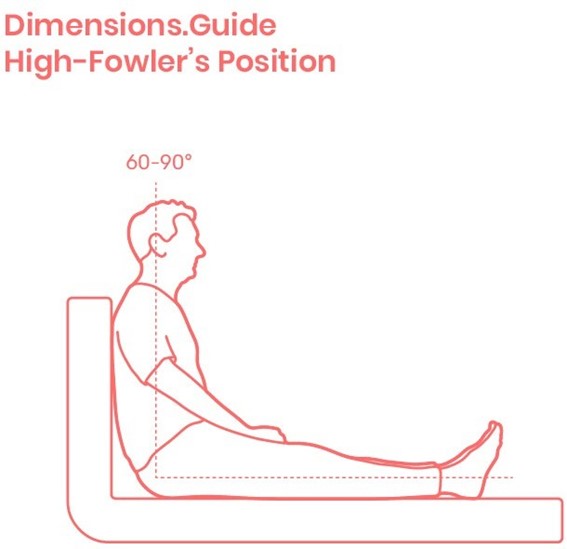
D. Place the client in a high-Fowler's position.
Reason: This is correct because placing the client in a high-Fowler's position is the first action, as it lowers the blood pressure by promoting venous return and reducing cardiac preload.
Full Explanation
Choice A Reason: This is incorrect because administering a nitrate antihypertensive is not the first action, as it may cause a rapid drop in blood pressure and worsen the client's condition.
Choice B Reason: This is incorrect because obtaining the client's heart rate is not the first action, as it does not address the cause of autonomic dysreflexia or relieve the symptoms.
Choice C Reason: This is incorrect because assessing the client for bladder distention is not the first action, as it may take time and delay the treatment of autonomic dysreflexia.
Choice D Reason: This is correct because placing the client in a high-Fowler's position is the first action, as it lowers the blood pressure by promoting venous return and reducing cardiac preload.
A nurse is prioritizing client care after receiving change-of-shift report. Which of the following clients should the nurse plan to see first?
A. A client who told an assistive personnel he is short of breath
Reason: This is correct because a client who is short of breath is in immediate danger, as it indicates a possible respiratory compromise or failure. The nurse should assess the client's oxygen saturation, respiratory rate, and lung sounds, and provide oxygen therapy as needed.
B. A client who received oral pain medication 30 min ago
Reason: This is incorrect because a client who received oral pain medication 30 min ago is not in immediate danger, as it indicates that the client's pain has been managed and the medication has had time to take effect.
C. A client who is scheduled for an abdominal x-ray and is awaiting transport
Reason: This is incorrect because a client who is scheduled for an abdominal x-ray and is awaiting transport is not in immediate danger, as it indicates that the client's condition is stable and the diagnostic test is not urgent.
D. A client who has a prescription for discharge
Reason: This is incorrect because a client who has a prescription for discharge is not in immediate danger, as it indicates that the client's condition has improved and the client is ready to leave the hospital.
Full Explanation
Choice A Reason: This is correct because a client who is short of breath is in immediate danger, as it indicates a possible respiratory compromise or failure. The nurse should assess the client's oxygen saturation, respiratory rate, and lung sounds, and provide oxygen therapy as needed.
Choice B Reason: This is incorrect because a client who received oral pain medication 30 min ago is not in immediate danger, as it indicates that the client's pain has been managed and the medication has had time to take effect.
Choice C Reason: This is incorrect because a client who is scheduled for an abdominal x-ray and is awaiting transport is not in immediate danger, as it indicates that the client's condition is stable and the diagnostic test is not urgent.
Choice D Reason: This is incorrect because a client who has a prescription for discharge is not in immediate danger, as it indicates that the client's condition has improved and the client is ready to leave the hospital.