Nursing practice questions with comprehensive rationales
NurseDive Free Nursing Practice Question
A nurse is preparing a client who has a small bowel obstruction for insertion of a nasogastric tube. Which of the following equipment should the nurse gather prior to the procedure?
A. Suction device
The nurse should gather a suction device prior to the insertion of a nasogastric tube for a client with a small bowel obstruction. A nasogastric tube is inserted to decompress the stomach and relieve pressure in cases of bowel obstruction. As part of the procedure, suctioning may be necessary to remove gastric contents or relieve any gastric distension. Therefore, having a suction device readily available is essential.
B. Infusion pump
Infusion pump: An infusion pump is not necessary for the insertion of a nasogastric tube. The purpose of the nasogastric tube in this case is not to administer fluids or medications but to decompress the stomach.
C. Disposable feeding bag
Disposable feeding bag: A disposable feeding bag is not specifically required for the insertion of a nasogastric tube. The purpose of the nasogastric tube in this scenario is not to administer feedings, but rather to decompress the stomach.
D. Sterile gloves
Sterile gloves: While sterile gloves may be used during certain procedures, such as the insertion of a central venous catheter, they are not typically required for the insertion of a nasogastric tube. Standard precautions, including clean gloves and proper hand hygiene, are usually sufficient for this procedure.
This question is an excerpt from Nurse Dive's nursing test bank - VATI PN Comprehensive Predictor 2020 Proctored Exam. Take the full exam now
Similar Questions
A nurse is caring for an older adult client who states, "I can't pay for my care because my kid took all my money." Which of the following actions should the nurse take?
A. Instruct the client to report the theft to the police
Instructing the client to report the theft to the police may be appropriate, but it is not the first action the nurse should take. The nurse has a legal and ethical obligation to report suspected abuse to the appropriate authorities.
B. Report the possible abuse to adult protective services.
The nurse should report the possible abuse to adult protective services if an older adult client states that their child took all their money. This is an important nursing intervention to ensure the safety and well-being of the client.
C. Ask the client if there is another family member they can call for financial help.
Asking the client if there is another family member they can call for financial help may be appropriate, but it does not address the issue of possible abuse.
D. Restrict visitation for the client's family until discharge.
Restricting visitation for the client's family until discharge is not appropriate and may violate the client's rights.
Full Explanation
The nurse should report the possible abuse to adult protective services if an older adult client states that their child took all their money. This is an important nursing intervention to ensure the safety and well-being of the client.
a) Instructing the client to report the theft to the police may be appropriate, but it is not the first action the nurse should take. The nurse has a legal and ethical obligation to report suspected abuse to the appropriate authorities.
c) Asking the client if there is another family member they can call for financial help may be appropriate, but it does not address the issue of possible abuse.
d) Restricting visitation for the client's family until discharge is not appropriate and may violate the client's rights.
A nurse is contributing to the plan of care for a 12-month-old infant following cleft palate repair. Which of the following actions should the nurse include?
A. Allow the infant to have soft foods.
Allowing the infant to have soft foods may be appropriate, but it is not the highest priority. The infant's diet should be determined by the provider and based on the infant's individual needs.
B. Maintain elbow restraints on the infant.
The nurse should include maintaining elbow restraints on the infant in the plan of care following cleft palate repair. This helps to prevent the infant from touching their surgical site and disrupting the healing process.
C. Instruct the parents to feed the infant with a spoon.
Instructing the parents to feed the infant with a spoon may be appropriate, but it is not the highest priority. The infant'sfeeding method should be determined by the provider and based on the infant's individual needs.
D. Tell the parents to avoid brushing the infant's teeth for two weeks.
Telling the parents to avoid brushing the infant's teeth for two weeks may be appropriate, but it is not the highest priority. The infant's oral care should be determined by the provider and based on the infant's individual needs.
Full Explanation
The nurse should include maintaining elbow restraints on the infant in the plan of care following cleft palate repair. This helps to prevent the infant from touching their surgical site and disrupting the healing process.
a) Allowing the infant to have soft foods may be appropriate, but it is not the highest priority. The infant's diet should be determined by the provider and based on the infant's individual needs.
c) Instructing the parents to feed the infant with a spoon may be appropriate, but it is not the highest priority. The infant's feeding method should be determined by the provider and based on the infant's individual needs.
d) Telling the parents to avoid brushing the infant's teeth for two weeks may be appropriate, but it is not the highest priority. The infant's oral care should be determined by the provider and based on the infant's individual needs.
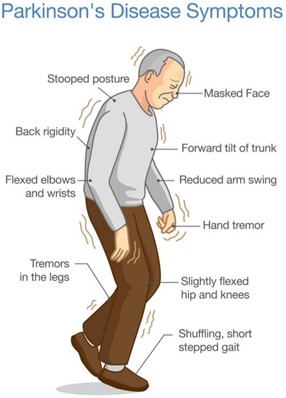
A nurse is contributing to the plan of care for a client who has Parkinson's disease. Which of the following interventions should the nurse plan to include?
A. Restrict the client's fluid intake
Restrict the client's fluid intake: Restricting the client's fluid intake is not typically indicated in the care of a client with Parkinson's disease. Adequate hydration is important for overall health and well-being. However, specific fluid restrictions may be necessary in certain situations, such as if the client has coexisting conditions like heart failure or kidney disease, which should be assessed and determined by the healthcare provider.
B. Keep suction equipment at the client's bedside
The nurse should plan to include keeping suction equipment at the client's bedside as an intervention for a client with Parkinson's disease. Parkinson's disease can cause dysphagia (difficulty swallowing) and an increased risk of aspiration. Having suction equipment readily available allows for prompt intervention in case of choking or aspiration episodes, ensuring the client's safety.
C. Instruct the client to look down when ambulating
Instruct the client to look down when ambulating: In Parkinson's disease, individuals often experience a forward-flexed posture and a shuffling gait. Instructing the client to look down when ambulating is not an appropriate intervention. Instead, the nurse should encourage the client to maintain an upright posture, take smaller steps, and focus on taking deliberate and controlled movements to promote stability and reduce the risk of falls.
D. Position the client supine after eating
Position the client supine after eating: Positioning the client supine after eating is not recommended for a client with Parkinson's disease. This position can increase the risk of aspiration, as it may promote reflux and regurgitation of stomach contents. Instead, the nurse should advise the client to maintain an upright position, such as sitting in a chair or using a recliner with appropriate head support, to aid digestion and reduce the risk of aspiration.
Full Explanation
b. Keep suction equipment at the client's bedside.
The nurse should plan to include keeping suction equipment at the client's bedside as an intervention for a client with Parkinson's disease. Parkinson's disease can cause dysphagia (difficulty swallowing) and an increased risk of aspiration. Having suction equipment readily available allows for prompt intervention in case of choking or aspiration episodes, ensuring the client's safety.
Explanation for the other options:
a. Restrict the client's fluid intake: Restricting the client's fluid intake is not typically indicated in the care of a client with Parkinson's disease. Adequate hydration is important for overall health and well-being. However, specific fluid restrictions may be necessary in certain situations, such as if the client has coexisting conditions like heart failure or kidney disease, which should be assessed and determined by the healthcare provider.
c. Instruct the client to look down when ambulating: In Parkinson's disease, individuals often experience a forward-flexed posture and a shuffling gait. Instructing the client to look down when ambulating is not an appropriate intervention. Instead, the nurse should encourage the client to maintain an upright posture, take smaller steps, and focus on taking deliberate and controlled movements to promote stability and reduce the risk of falls.
d. Position the client supine after eating: Positioning the client supine after eating is not recommended for a client with Parkinson's disease. This position can increase the risk of aspiration, as it may promote reflux and regurgitation of stomach contents. Instead, the nurse should advise the client to maintain an upright position, such as sitting in a chair or using a recliner with appropriate head support, to aid digestion and reduce the risk of aspiration.