
Nursing practice questions with comprehensive rationales
NurseDive Free Nursing Practice Question
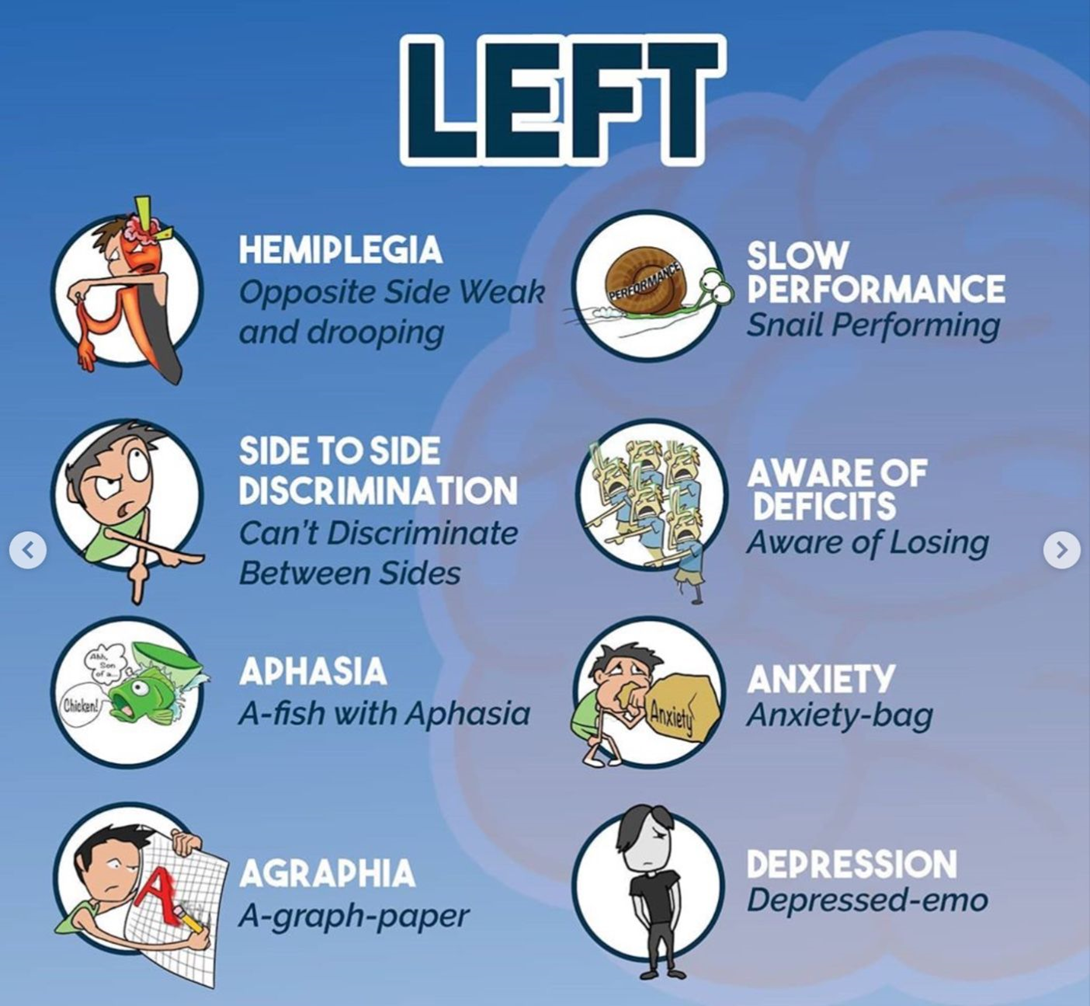
A male client was admitted with a left-sided stroke this morning. The assistive personnel asks about meeting the client’s nutritional needs. Which response by the nurse is appropriate?
A. He is NPO until the speech-language pathologist performs a swallowing evaluation.
NPO until the speech-language pathologist performs a swallowing evaluation. When a client is admitted with a stroke, especially one affecting the left side, there is a significant risk of dysphagia, or difficulty swallowing. This can lead to choking and aspiration, which can cause pneumonia and other complications. Therefore, it is crucial to keep the client NPO (nothing by mouth) until a speech-language pathologist can perform a thorough swallowing evaluation. This ensures that the client can safely swallow without the risk of aspiration. The speech-language pathologist will assess the client’s ability to swallow different textures and consistencies of food and liquids and provide recommendations for safe feeding.
B. Be sure to sit him up when you are feeding him to make him feel more natural.
Be sure to sit him up when you are feeding him to make him feel more natural. While sitting the client up during feeding is a good practice to reduce the risk of aspiration, it is not sufficient on its own for a client who has just had a stroke. Without a proper swallowing evaluation, feeding the client could still pose a significant risk. Therefore, this choice is not the most appropriate response.
C. You may give him a full-liquid diet, but please avoid solid foods until he gets stronger.
You may give him a full-liquid diet, but please avoid solid foods until he gets stronger. A full-liquid diet might seem like a safer option, but it still poses a risk of aspiration if the client has dysphagia. Without a swallowing evaluation, it is not safe to assume that the client can handle even a full-liquid diet. Therefore, this choice is not appropriate.
D. Just be sure to add some thickener in his liquids to prevent choking and aspiration.
Just be sure to add some thickener in his liquids to prevent choking and aspiration. Adding thickener to liquids can help some clients with dysphagia, but it is not a one-size-fits-all solution. The appropriate consistency of liquids should be determined by a speech-language pathologist after a swallowing evaluation. Therefore, this choice is not appropriate without a prior assessment.
E. None
None
F. None
None
This question is an excerpt from Nurse Dive's nursing test bank - Final Med Surg Comprehensive Proctored Exam (Brooklyn University). Take the full exam now
Full Explanation
Choice A: He is NPO until the speech-language pathologist performs a swallowing evaluation.
When a client is admitted with a stroke, especially one affecting the left side, there is a significant risk of dysphagia, or difficulty swallowing. This can lead to choking and aspiration, which can cause pneumonia and other complications. Therefore, it is crucial to keep the client NPO (nothing by mouth) until a speech-language pathologist can perform a thorough swallowing evaluation. This ensures that the client can safely swallow without the risk of aspiration. The speech-language pathologist will assess the client’s ability to swallow different textures and consistencies of food and liquids and provide recommendations for safe feeding.
Choice B: Be sure to sit him up when you are feeding him to make him feel more natural.
While sitting the client up during feeding is a good practice to reduce the risk of aspiration, it is not sufficient on its own for a client who has just had a stroke. Without a proper swallowing evaluation, feeding the client could still pose a significant risk. Therefore, this choice is not the most appropriate response.
Choice C: You may give him a full-liquid diet, but please avoid solid foods until he gets stronger.
A full-liquid diet might seem like a safer option, but it still poses a risk of aspiration if the client has dysphagia. Without a swallowing evaluation, it is not safe to assume that the client can handle even a full-liquid diet. Therefore, this choice is not appropriate.
Choice D: Just be sure to add some thickener in his liquids to prevent choking and aspiration.
Adding thickener to liquids can help some clients with dysphagia, but it is not a one-size-fits-all solution. The appropriate consistency of liquids should be determined by a speech-language pathologist after a swallowing evaluation. Therefore, this choice is not appropriate without a prior assessment.
Similar Questions
On arrival at the intensive care unit, a critically ill patient suffers respiratory arrest and is placed on mechanical ventilation. The physician orders pulse oximetry to monitor the patient’s arterial oxygen saturation (SaO₂) noninvasively. Which vital sign abnormality may alter pulse oximetry values?
A. Tachycardia
Tachycardia, defined as a heart rate exceeding 100 beats per minute, can affect the accuracy of pulse oximetry readings. When the heart beats too quickly, it may not fill with enough blood between beats, leading to reduced perfusion and oxygen delivery to tissues. However, while tachycardia can influence the readings, it is not the most significant factor compared to hypotension.
B. Hypotension
Hypotension, or low blood pressure, significantly impacts pulse oximetry accuracy. When blood pressure is low, there is reduced perfusion to peripheral tissues, including the extremities where pulse oximeters are typically placed. This reduced perfusion can lead to inaccurate readings, as the device may not detect sufficient blood flow to measure oxygen saturation accurately. Hypotension is a critical factor that can alter pulse oximetry values, making it the most relevant choice.
C. Tachypnea
Tachypnea, or rapid breathing, can affect oxygen levels in the blood but does not directly interfere with the pulse oximeter’s ability to measure oxygen saturation. While it indicates respiratory distress and can lead to hypoxemia, the pulse oximeter can still provide accurate readings unless accompanied by other factors like low perfusion.
D. Fever
Fever can cause peripheral vasodilation, which might theoretically affect pulse oximetry readings by altering blood flow to the extremities. However, this effect is generally minimal compared to the impact of hypotension. Fever alone is unlikely to cause significant inaccuracies in pulse oximetry measurements.
Full Explanation
Choice A: Tachycardia
Tachycardia, defined as a heart rate exceeding 100 beats per minute, can affect the accuracy of pulse oximetry readings. When the heart beats too quickly, it may not fill with enough blood between beats, leading to reduced perfusion and oxygen delivery to tissues. However, while tachycardia can influence the readings, it is not the most significant factor compared to hypotension.
Choice B: Hypotension
Hypotension, or low blood pressure, significantly impacts pulse oximetry accuracy. When blood pressure is low, there is reduced perfusion to peripheral tissues, including the extremities where pulse oximeters are typically placed. This reduced perfusion can lead to inaccurate readings, as the device may not detect sufficient blood flow to measure oxygen saturation accurately. Hypotension is a critical factor that can alter pulse oximetry values, making it the most relevant choice.
Choice C: Tachypnea
Tachypnea, or rapid breathing, can affect oxygen levels in the blood but does not directly interfere with the pulse oximeter’s ability to measure oxygen saturation. While it indicates respiratory distress and can lead to hypoxemia, the pulse oximeter can still provide accurate readings unless accompanied by other factors like low perfusion.
Choice D: Fever
Fever can cause peripheral vasodilation, which might theoretically affect pulse oximetry readings by altering blood flow to the extremities. However, this effect is generally minimal compared to the impact of hypotension. Fever alone is unlikely to cause significant inaccuracies in pulse oximetry measurements.
A male client was admitted with a left-sided stroke this morning. The assistive personnel asks about meeting the client’s nutritional needs. Which response by the nurse is appropriate?
A. He is NPO until the speech-language pathologist performs a swallowing evaluation.
NPO until the speech-language pathologist performs a swallowing evaluation. This is the most appropriate response. NPO stands for “nil per os,” which means nothing by mouth. After a stroke, it is crucial to assess the patient’s ability to swallow safely to prevent aspiration, which can lead to pneumonia and other complications. A speech-language pathologist is trained to evaluate swallowing function and determine the safest diet for the patient. Until this evaluation is completed, the patient should not consume any food or liquids.
B. Be sure to sit him up when you are feeding him to make him feel more natural.
Be sure to sit him up when you are feeding him to make him feel more natural. While sitting the patient up during feeding is important to reduce the risk of aspiration, it is not sufficient on its own. Without a proper swallowing evaluation, feeding the patient could still pose significant risks. Therefore, this choice is not the most appropriate response.
C. You may give him a full-liquid diet, but please avoid solid foods until he gets stronger.
ay give him a full-liquid diet, but please avoid solid foods until he gets stronger. A full-liquid diet might seem like a safer option, but without a swallowing evaluation, there is still a risk of aspiration. The patient’s ability to handle even liquids needs to be assessed by a professional before any oral intake is allowed.
D. Just be sure to add some thickener in his liquids to prevent choking and aspiration.
Just be sure to add some thickener in his liquids to prevent choking and aspiration. Thickening liquids can help manage dysphagia, but this should only be done after a swallowing evaluation has determined the appropriate consistency. Administering thickened liquids without an evaluation could still result in aspiration if the patient has severe swallowing difficulties.
Full Explanation
Choice A: He is NPO until the speech-language pathologist performs a swallowing evaluation.
This is the most appropriate response. NPO stands for “nil per os,” which means nothing by mouth. After a stroke, it is crucial to assess the patient’s ability to swallow safely to prevent aspiration, which can lead to pneumonia and other complications. A speech-language pathologist is trained to evaluate swallowing function and determine the safest diet for the patient. Until this evaluation is completed, the patient should not consume any food or liquids.
Choice B: Be sure to sit him up when you are feeding him to make him feel more natural.
While sitting the patient up during feeding is important to reduce the risk of aspiration, it is not sufficient on its own. Without a proper swallowing evaluation, feeding the patient could still pose significant risks. Therefore, this choice is not the most appropriate response.
Choice C: You may give him a full-liquid diet, but please avoid solid foods until he gets stronger.
A full-liquid diet might seem like a safer option, but without a swallowing evaluation, there is still a risk of aspiration. The patient’s ability to handle even liquids needs to be assessed by a professional before any oral intake is allowed.
Choice D: Just be sure to add some thickener in his liquids to prevent choking and aspiration.
Thickening liquids can help manage dysphagia, but this should only be done after a swallowing evaluation has determined the appropriate consistency. Administering thickened liquids without an evaluation could still result in aspiration if the patient has severe swallowing difficulties.
A nurse suspects a client has diabetes insipidus. What are the priority interventions? Select all that apply.
A. Monitor for hypernatremia.
Hypernatremia, or high sodium levels in the blood, is a common complication of diabetes insipidus due to excessive water loss and insufficient water intake. Monitoring for hypernatremia involves regular blood tests to check sodium levels. Symptoms of hypernatremia include extreme thirst, confusion, muscle twitching, and seizures. Early detection and management are crucial to prevent severe complications.
B. Monitor neuro status.
Monitoring neurological status is essential in patients with diabetes insipidus because severe hypernatremia can lead to neurological symptoms such as confusion, irritability, seizures, and even coma. Regular assessments of mental status, level of consciousness, and neurological function help in early detection of complications and timely intervention.
C. Monitor for hyponatremia.
While hyponatremia (low sodium levels) is less common in diabetes insipidus, it can occur if there is excessive water intake without adequate sodium replacement. Symptoms include headache, nausea, vomiting, confusion, and seizures. Monitoring sodium levels helps in maintaining a balance and preventing complications.
D. Monitor urine specific gravity.
Urine specific gravity measures the concentration of solutes in the urine. In diabetes insipidus, urine is typically very dilute, with a specific gravity of less than 1.005. Regular monitoring helps in assessing the effectiveness of treatment and the patient’s hydration status. It also aids in differentiating diabetes insipidus from other conditions with similar symptoms.
E. Monitor strict I&O.
Strict monitoring of intake and output (I&O) is crucial in managing diabetes insipidus. This involves accurately measuring all fluids consumed and excreted to ensure proper hydration and electrolyte balance. It helps in identifying trends in fluid loss and guiding appropriate fluid replacement therapy.
Full Explanation
Choice A: Monitor for hypernatremia.
Hypernatremia, or high sodium levels in the blood, is a common complication of diabetes insipidus due to excessive water loss and insufficient water intake. Monitoring for hypernatremia involves regular blood tests to check sodium levels. Symptoms of hypernatremia include extreme thirst, confusion, muscle twitching, and seizures. Early detection and management are crucial to prevent severe complications.
Choice B: Monitor neuro status.
Monitoring neurological status is essential in patients with diabetes insipidus because severe hypernatremia can lead to neurological symptoms such as confusion, irritability, seizures, and even coma. Regular assessments of mental status, level of consciousness, and neurological function help in early detection of complications and timely intervention.
Choice C: Monitor for hyponatremia.
While hyponatremia (low sodium levels) is less common in diabetes insipidus, it can occur if there is excessive water intake without adequate sodium replacement. Symptoms include headache, nausea, vomiting, confusion, and seizures. Monitoring sodium levels helps in maintaining a balance and preventing complications.
Choice D: Monitor urine specific gravity.
Urine specific gravity measures the concentration of solutes in the urine. In diabetes insipidus, urine is typically very dilute, with a specific gravity of less than 1.005. Regular monitoring helps in assessing the effectiveness of treatment and the patient’s hydration status. It also aids in differentiating diabetes insipidus from other conditions with similar symptoms.
Choice E: Monitor strict I&O.
Strict monitoring of intake and output (I&O) is crucial in managing diabetes insipidus. This involves accurately measuring all fluids consumed and excreted to ensure proper hydration and electrolyte balance. It helps in identifying trends in fluid loss and guiding appropriate fluid replacement therapy.