
Nursing practice questions with comprehensive rationales
NurseDive Free Nursing Practice Question
A nurse is preparing a patient for discharge after surgery. The patient needs to change a large dressing and manage a drain at home. What instruction by the nurse is most important?
A. “Call your surgeon if you have any questions at home.”
“Call your surgeon if you have any questions at home.”This instruction is important as it encourages the patient to seek help and clarification if they have any concerns or questions about their postoperative care at home. However, while communication with the surgeon is essential, it is not as immediately critical as ensuring proper hand hygiene when dealing with wound care and drain management.
B. ”Eat a diet high in protein, iron, zinc, and vitamin C.”
”Eat a diet high in protein, iron, zinc, and vitamin C.”Nutritional advice is crucial for postoperative recovery, as a balanced diet high in protein, iron, zinc, and vitamin C can promote wound healing and overall recovery. However, while important for long-term recovery and healing, dietary recommendations do not directly address the immediate risk of infection or complications associated with wound care and drain management.
C. “Wash your hands before touching the drain or dressing."
“Wash your hands before touching the drain or dressing." This instruction is the most important in this context because proper hand hygiene is crucial for preventing infections during wound care and drain management. Clean hands significantly reduce the risk of introducing harmful bacteria or contaminants to the surgical site, which can lead to infections and other complications. Ensuring that the patient washes their hands before touching the drain or dressing is a fundamental measure for promoting wound healing and preventing postoperative complications.
D. “Be sure you keep all your postoperative appointments.”
“Be sure you keep all your postoperative appointments.”Keeping postoperative appointments is important for ongoing assessment, monitoring, and follow-up care. However, while essential for overall recovery and management of postoperative issues, it is not as immediate or directly related to the patient's ability to manage their dressing and drain at home.
This question is an excerpt from Nurse Dive's nursing test bank - Ati Lpn Med Surg Cohort 6 Proctored Exam. Take the full exam now
Full Explanation
A. “Call your surgeon if you have any questions at home.”
This instruction is important as it encourages the patient to seek help and clarification if they have any concerns or questions about their postoperative care at home. However, while communication with the surgeon is essential, it is not as immediately critical as ensuring proper hand hygiene when dealing with wound care and drain management.
B. ”Eat a diet high in protein, iron, zinc, and vitamin C.”
Nutritional advice is crucial for postoperative recovery, as a balanced diet high in protein, iron, zinc, and vitamin C can promote wound healing and overall recovery. However, while important for long-term recovery and healing, dietary recommendations do not directly address the immediate risk of infection or complications associated with wound care and drain management.
C. “Wash your hands before touching the drain or dressing."
This instruction is the most important in this context because proper hand hygiene is crucial for preventing infections during wound care and drain management. Clean hands significantly reduce the risk of introducing harmful bacteria or contaminants to the surgical site, which can lead to infections and other complications. Ensuring that the patient washes their hands before touching the drain or dressing is a fundamental measure for promoting wound healing and preventing postoperative complications.
D. “Be sure you keep all your postoperative appointments.”
Keeping postoperative appointments is important for ongoing assessment, monitoring, and follow-up care. However, while essential for overall recovery and management of postoperative issues, it is not as immediate or directly related to the patient's ability to manage their dressing and drain at home.
Similar Questions
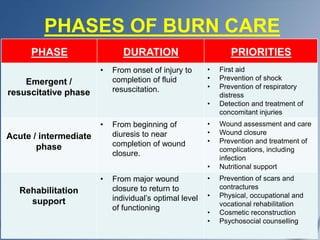
Most of the deaths from burn trauma in the emergent phase that require a referral to a burn center result from:
A. cardiac arrest related to septic shock
Cardiac arrest related to septic shock:Septic shock can occur in burn patients due to the breakdown of the skin barrier, which allows pathogens to enter the bloodstream and cause systemic infection. However, while septic shock is a serious complication of burn injuries, it is not the primary cause of death in the emergent phase. Septic shock can lead to multiple organ failure and contribute to mortality, but it is often a later complication rather than an immediate cause in the emergent phase.
B. Infection
Infection:Infections are a significant concern in burn patients, especially as the burn wound provides an ideal environment for bacterial growth. However, infections typically contribute more significantly to mortality in the later phases of burn care rather than in the emergent phase. In the emergent phase, hypovolemic shock and other immediate complications have a greater impact on mortality.
C. adrenal failure
Adrenal failure: Adrenal failure, specifically acute adrenal insufficiency or Addisonian crisis, can occur in burn patients due to the stress response and corticosteroid depletion. While adrenal insufficiency is a concern in severe burn cases, it is not the primary cause of death in the emergent phase requiring referral to a burn center.
D. hypovolemic shock and renal failure.
Hypovolemic shock and renal failure:Hypovolemic shock is a critical concern in the emergent phase of burn trauma because burns can lead to significant fluid loss and electrolyte imbalances. Hypovolemic shock results from insufficient circulating blood volume, leading to inadequate perfusion of organs and tissues, which can be life-threatening. Additionally, renal failure can develop due to hypovolemia, decreased cardiac output, and the release of inflammatory mediators, leading to acute kidney injury (AKI). Hypovolemic shock and subsequent renal failure are major contributors to mortality in the emergent phase of burn trauma, necessitating prompt referral to a burn center for specialized care.
Full Explanation
A. Cardiac arrest related to septic shock:
Septic shock can occur in burn patients due to the breakdown of the skin barrier, which allows pathogens to enter the bloodstream and cause systemic infection. However, while septic shock is a serious complication of burn injuries, it is not the primary cause of death in the emergent phase. Septic shock can lead to multiple organ failure and contribute to mortality, but it is often a later complication rather than an immediate cause in the emergent phase.
B. Infection:
Infections are a significant concern in burn patients, especially as the burn wound provides an ideal environment for bacterial growth. However, infections typically contribute more significantly to mortality in the later phases of burn care rather than in the emergent phase. In the emergent phase, hypovolemic shock and other immediate complications have a greater impact on mortality.
C. Adrenal failure:
Adrenal failure, specifically acute adrenal insufficiency or Addisonian crisis, can occur in burn patients due to the stress response and corticosteroid depletion. While adrenal insufficiency is a concern in severe burn cases, it is not the primary cause of death in the emergent phase requiring referral to a burn center.
D. Hypovolemic shock and renal failure:
Hypovolemic shock is a critical concern in the emergent phase of burn trauma because burns can lead to significant fluid loss and electrolyte imbalances. Hypovolemic shock results from insufficient circulating blood volume, leading to inadequate perfusion of organs and tissues, which can be life-threatening. Additionally, renal failure can develop due to hypovolemia, decreased cardiac output, and the release of inflammatory mediators, leading to acute kidney injury (AKI). Hypovolemic shock and subsequent renal failure are major contributors to mortality in the emergent phase of burn trauma, necessitating prompt referral to a burn center for specialized care.
A nurse cares for a patient who has a deep wound that is being treated with a wet to-damp (used to be dry) dressing. Which intervention would the nurse include in this patient’s plan of care?
A. Change the dressing when it is saturated.
Change the dressing when it is saturated:This intervention is the most appropriate for managing a deep wound with a wet to-damp dressing. Wet to-damp dressings are designed to maintain a moist environment conducive to wound healing. Changing the dressing when it becomes saturated with wound exudate helps prevent excessive moisture accumulation, which can lead to skin maceration and potential infection. It ensures that the wound bed remains in an optimal healing environment and reduces the risk of complications.
B. Assess the wound bed once a day.
Assess the wound bed once a day:Assessing the wound bed is an essential part of wound care, as it allows the nurse to monitor healing progress, assess for signs of infection, and evaluate the effectiveness of the chosen dressing. However, the frequency of wound bed assessment may vary depending on the specific patient's needs and the type of dressing being used. While daily assessment is generally recommended, it does not directly dictate the timing of dressing changes for wet to-damp dressings, which are primarily changed based on saturation levels.
C. Contact the provider when the dressing leaks.
Contact the provider when the dressing leaks: Contacting the provider when the dressing leaks or when there are concerns or complications is an important step in patient care. Leaking dressings can indicate issues with the dressing application, excessive wound exudate, or potential complications such as infection. It's crucial to inform the provider promptly so that appropriate interventions can be implemented, but this instruction is more reactive and does not specifically address the timing of dressing changes.
D. Change the dressing every 6 hours.
Change the dressing every 6 hours:Changing the dressing every 6 hours is not typically recommended for wet to-damp dressings unless specifically indicated based on the patient's condition and the amount of wound exudate. Frequent dressing changes can disrupt the healing process, cause unnecessary trauma to the wound bed, and increase the risk of infection. Dressing change frequency should be based on the assessment of wound exudate and the dressing's ability to maintain a moist environment.
Full Explanation
A. Change the dressing when it is saturated:
This intervention is the most appropriate for managing a deep wound with a wet to-damp dressing. Wet to-damp dressings are designed to maintain a moist environment conducive to wound healing. Changing the dressing when it becomes saturated with wound exudate helps prevent excessive moisture accumulation, which can lead to skin maceration and potential infection. It ensures that the wound bed remains in an optimal healing environment and reduces the risk of complications.
B. Assess the wound bed once a day:
Assessing the wound bed is an essential part of wound care, as it allows the nurse to monitor healing progress, assess for signs of infection, and evaluate the effectiveness of the chosen dressing. However, the frequency of wound bed assessment may vary depending on the specific patient's needs and the type of dressing being used. While daily assessment is generally recommended, it does not directly dictate the timing of dressing changes for wet to-damp dressings, which are primarily changed based on saturation levels.
C. Contact the provider when the dressing leaks:
Contacting the provider when the dressing leaks or when there are concerns or complications is an important step in patient care. Leaking dressings can indicate issues with the dressing application, excessive wound exudate, or potential complications such as infection. It's crucial to inform the provider promptly so that appropriate interventions can be implemented, but this instruction is more reactive and does not specifically address the timing of dressing changes.
D. Change the dressing every 6 hours:
Changing the dressing every 6 hours is not typically recommended for wet to-damp dressings unless specifically indicated based on the patient's condition and the amount of wound exudate. Frequent dressing changes can disrupt the healing process, cause unnecessary trauma to the wound bed, and increase the risk of infection. Dressing change frequency should be based on the assessment of wound exudate and the dressing's ability to maintain a moist environment.
A nurse evaluates the following arterial blood gas values in a patient: pH 7.48, PaO 98 mm Hg, PaCO 28 mm Hg, and HCO - 22 mEq/L (22 mmol/L). Which patient condition does the nurse correlate with these results?
A. Diarrhea and vomiting for 36 hours
Diarrhea and vomiting for 36 hours:Diarrhea and vomiting can lead to metabolic acidosis due to loss of bicarbonate and increased hydrogen ion concentration in the blood. However, the ABG values provided indicate respiratory alkalosis (high pH and low PaCO2), which is not consistent with metabolic acidosis caused by diarrhea and vomiting. Therefore, this choice does not correlate with the ABG values.
B. Chronic obstructive pulmonary disease (COPD)
Chronic obstructive pulmonary disease (COPD):COPD is a respiratory condition characterized by airflow limitation and increased airway resistance. It can lead to respiratory acidosis due to retention of carbon dioxide (PaCO2 levels would be elevated). The ABG values in the scenario show respiratory alkalosis (low PaCO2), which is the opposite of what would be expected in COPD. Therefore, this choice does not correlate with the ABG values provided.
C. Anxiety-induced hyperventilation
Anxiety-induced hyperventilation: Anxiety-induced hyperventilation is a common cause of respiratory alkalosis. During hyperventilation, there is excessive elimination of carbon dioxide (PaCO2 levels decrease), leading to an increase in pH (alkalosis). The ABG values in the scenario show a high pH (7.48) and low PaCO2 (28 mm Hg), consistent with respiratory alkalosis seen in hyperventilation due to anxiety.
D. Diabetic ketoacidosis and chronic obstructive pulmonary disease (COPD)
Diabetic ketoacidosis and chronic obstructive pulmonary disease (COPD):Diabetic ketoacidosis (DKA) is a metabolic condition characterized by hyperglycemia, ketosis, and metabolic acidosis (low pH and low bicarbonate levels). COPD, as mentioned earlier, can lead to respiratory acidosis due to retained carbon dioxide. Neither of these conditions correlates with the ABG values provided, which show respiratory alkalosis (high pH and low PaCO2). Therefore, this choice does not correlate with the ABG values.
Full Explanation
A. Diarrhea and vomiting for 36 hours:
Diarrhea and vomiting can lead to metabolic acidosis due to loss of bicarbonate and increased hydrogen ion concentration in the blood. However, the ABG values provided indicate respiratory alkalosis (high pH and low PaCO2), which is not consistent with metabolic acidosis caused by diarrhea and vomiting. Therefore, this choice does not correlate with the ABG values.
B. Chronic obstructive pulmonary disease (COPD):
COPD is a respiratory condition characterized by airflow limitation and increased airway resistance. It can lead to respiratory acidosis due to retention of carbon dioxide (PaCO2 levels would be elevated). The ABG values in the scenario show respiratory alkalosis (low PaCO2), which is the opposite of what would be expected in COPD. Therefore, this choice does not correlate with the ABG values provided.
C. Anxiety-induced hyperventilation:
Anxiety-induced hyperventilation is a common cause of respiratory alkalosis. During hyperventilation, there is excessive elimination of carbon dioxide (PaCO2 levels decrease), leading to an increase in pH (alkalosis). The ABG values in the scenario show a high pH (7.48) and low PaCO2 (28 mm Hg), consistent with respiratory alkalosis seen in hyperventilation due to anxiety.
D. Diabetic ketoacidosis and chronic obstructive pulmonary disease (COPD):
Diabetic ketoacidosis (DKA) is a metabolic condition characterized by hyperglycemia, ketosis, and metabolic acidosis (low pH and low bicarbonate levels). COPD, as mentioned earlier, can lead to respiratory acidosis due to retained carbon dioxide. Neither of these conditions correlates with the ABG values provided, which show respiratory alkalosis (high pH and low PaCO2). Therefore, this choice does not correlate with the ABG values.