
Nursing practice questions with comprehensive rationales
NurseDive Free Nursing Practice Question
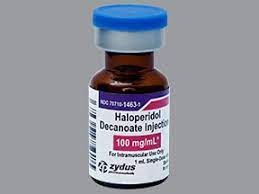
A nurse is preparing to administer haloperidol 75 mg IM per week. Available is haloperidol decanoate 100mg/ml for injection. How many ml should the nurse administer per dose? (Round the answer to the nearest hundredth. Use a leading zero if it applies.
This question is an excerpt from Nurse Dive's nursing test bank - ATI Mental Health Proctored Exam. Take the full exam now
Full Explanation
To calculate the volume (ml) of haloperidol decanoate needed for a dose of 75 mg, you can use the following formula:
Volume (ml) = Dose (mg) / Concentration (mg/ml)
Given:
Dose = 75 mg
Concentration = 100 mg/ml
Plugging in the values:
Volume (ml) = 75 mg / 100 mg/ml
Volume (ml) = 0.75 ml
Rounding to the nearest hundredth:
Volume (ml) = 0.75 ml
So, the nurse should administer 0.75 ml of haloperidol decanoate for the dose of 75 mg.
Similar Questions
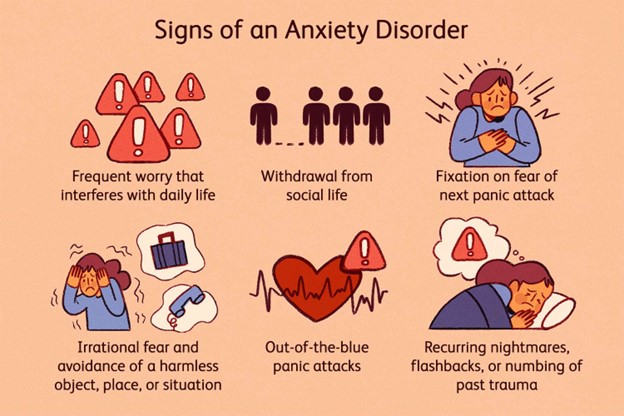
A nurse is caring for a young adult client who says he is experiencing increased anxiety and an inability to concentrate. Which of the following responses should the nurse make?
A. "How long has this been going on?"
While this question is important for gathering more information, it may come across as more investigative or less empathetic at this initial stage of the conversation.
B. "Why do you think you are so anxious?"
While it's important to understand the client's perspective, this response might come across as confrontational or judgmental. It's better to create an open and non-judgmental environment for the client to share their feelings.
C. "Have you talked to your parents about this yet?"
This response assumes that the client has parents to talk to and may not be relevant for all clients. It's also important to establish trust and rapport with the client before asking about their support network.
D. "It sounds like you're having a difficult time."
This response is empathetic and validating. It acknowledges the client's feelings without making assumptions or demands, creating a supportive environment for further discussion.
Full Explanation
A. "How long has this been going on?":
While this question is important for gathering more information, it may come across as more investigative or less empathetic at this initial stage of the conversation.
B. "Why do you think you are so anxious?":
While it's important to understand the client's perspective, this response might come across as confrontational or judgmental. It's better to create an open and non-judgmental environment for the client to share their feelings.
C. "Have you talked to your parents about this yet?":
This response assumes that the client has parents to talk to and may not be relevant for all clients. It's also important to establish trust and rapport with the client before asking about their support network.
D. "It sounds like you're having a difficult time.":
This response is empathetic and validating. It acknowledges the client's feelings without making assumptions or demands, creating a supportive environment for further discussion.
A nurse is admitting a client who has multiple injuries following a motor vehicle crash. Shortly after admission, the client's partner arrives. He is distraught and blames himself for the accident. Which of the following responses should the nurse make?
A. "I think you should calm down a little before you see your partner."
This response might come across as dismissive or insensitive to the partner's feelings. It's important to acknowledge the partner's emotions and offer support rather than suggesting they should calm down.
B. "Do not worry about that. Your wife will be fine."
While it's reassuring to say that the patient will be fine, dismissing the partner's feelings and concerns is not supportive. The partner needs a chance to express their emotions and concerns.
C. Tell me more about your feelings about what happened to your partner."
This response is empathetic and encourages the partner to express their emotions. It shows that the nurse is actively listening and is willing to provide a safe space for the partner to share their feelings.
D. "Why do you think the crash is your fault?"
This response might come across as accusatory or confrontational, which could exacerbate the partner's feelings of guilt. Instead, the nurse should focus on providing support and understanding.
Full Explanation
A. "I think you should calm down a little before you see your partner.":
Explanation: This response might come across as dismissive or insensitive to the partner's feelings. It's important to acknowledge the partner's emotions and offer support rather than suggesting they should calm down.
B. "Do not worry about that. Your wife will be fine.":
Explanation: While it's reassuring to say that the patient will be fine, dismissing the partner's feelings and concerns is not supportive. The partner needs a chance to express their emotions and concerns.
C. "Tell me more about your feelings about what happened to your partner.":
Explanation: Correct Answer. This response is empathetic and encourages the partner to express their emotions. It shows that the nurse is actively listening and is willing to provide a safe space for the partner to share their feelings.
D. "Why do you think the crash is your fault?":
Explanation: This response might come across as accusatory or confrontational, which could exacerbate the partner's feelings of guilt. Instead, the nurse should focus on providing support and understanding.
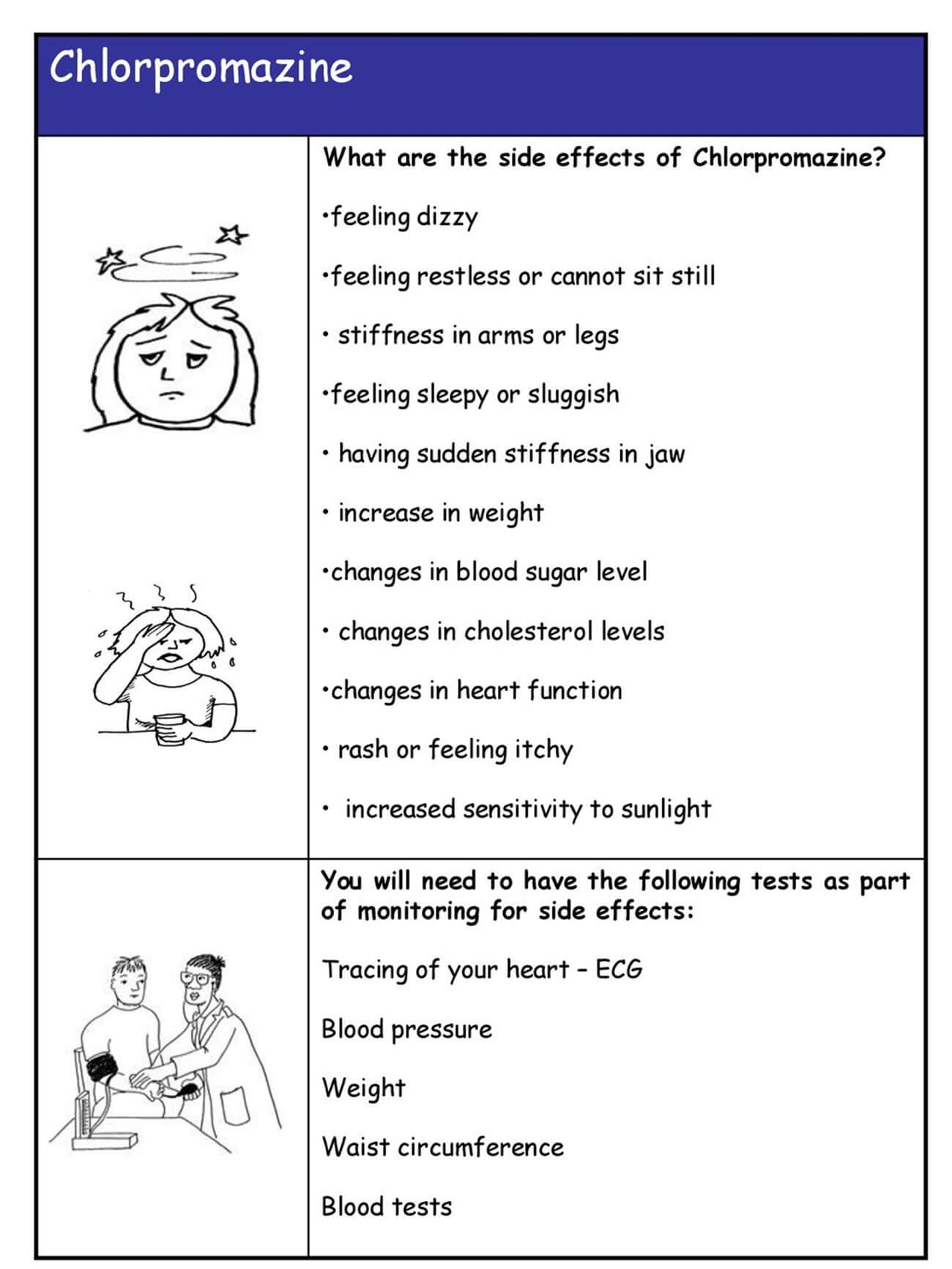
A nurse is teaching a client who has a new prescription for chlorpromazine. Which of the following client statements indicates an understanding of the teaching?
A. "I may have a dry mouth while taking this medication."
Dry mouth is a common side effect of chlorpromazine, which is a typical antipsychotic medication. This statement indicates that the client understands a potential side effect of the medication.
B. "This medication will help me stop smoking."
This statement is incorrect. Chlorpromazine is not used as a medication to aid in smoking cessation. It is primarily used to treat conditions such as schizophrenia and other psychotic disorders.
C. I should expect flu-like symptoms while taking this medication."
This statement is incorrect. Flu-like symptoms are not a common side effect of chlorpromazine. Side effects more commonly associated with chlorpromazine include drowsiness, dizziness, and movement-related issues.
D. This medication may cause me to urinate frequently."
This statement is incorrect. While chlorpromazine can cause various side effects, increased frequency of urination is not one of the typical side effects associated with this medication.
Full Explanation
A. "I may have a dry mouth while taking this medication.":
Explanation: Correct Answer. Dry mouth is a common side effect of chlorpromazine, which is a typical antipsychotic medication. This statement indicates that the client understands the potential side effects of the medication.
B. "This medication will help me stop smoking.":
Explanation: This statement is incorrect. Chlorpromazine is not used as a medication to aid in smoking cessation. It is primarily used to treat conditions such as schizophrenia and other psychotic disorders.
C. "I should expect flu-like symptoms while taking this medication.":
Explanation: This statement is incorrect. Flu-like symptoms are not a common side effect of chlorpromazine. Side effects more commonly associated with chlorpromazine include drowsiness, dizziness, and movement-related issues.
D. "This medication may cause me to urinate frequently.":
Explanation: This statement is incorrect. While chlorpromazine can cause various side effects, increased frequency of urination is not one of the typical side effects associated with this medication.