Nursing practice questions with comprehensive rationales
NurseDive Free Nursing Practice Question
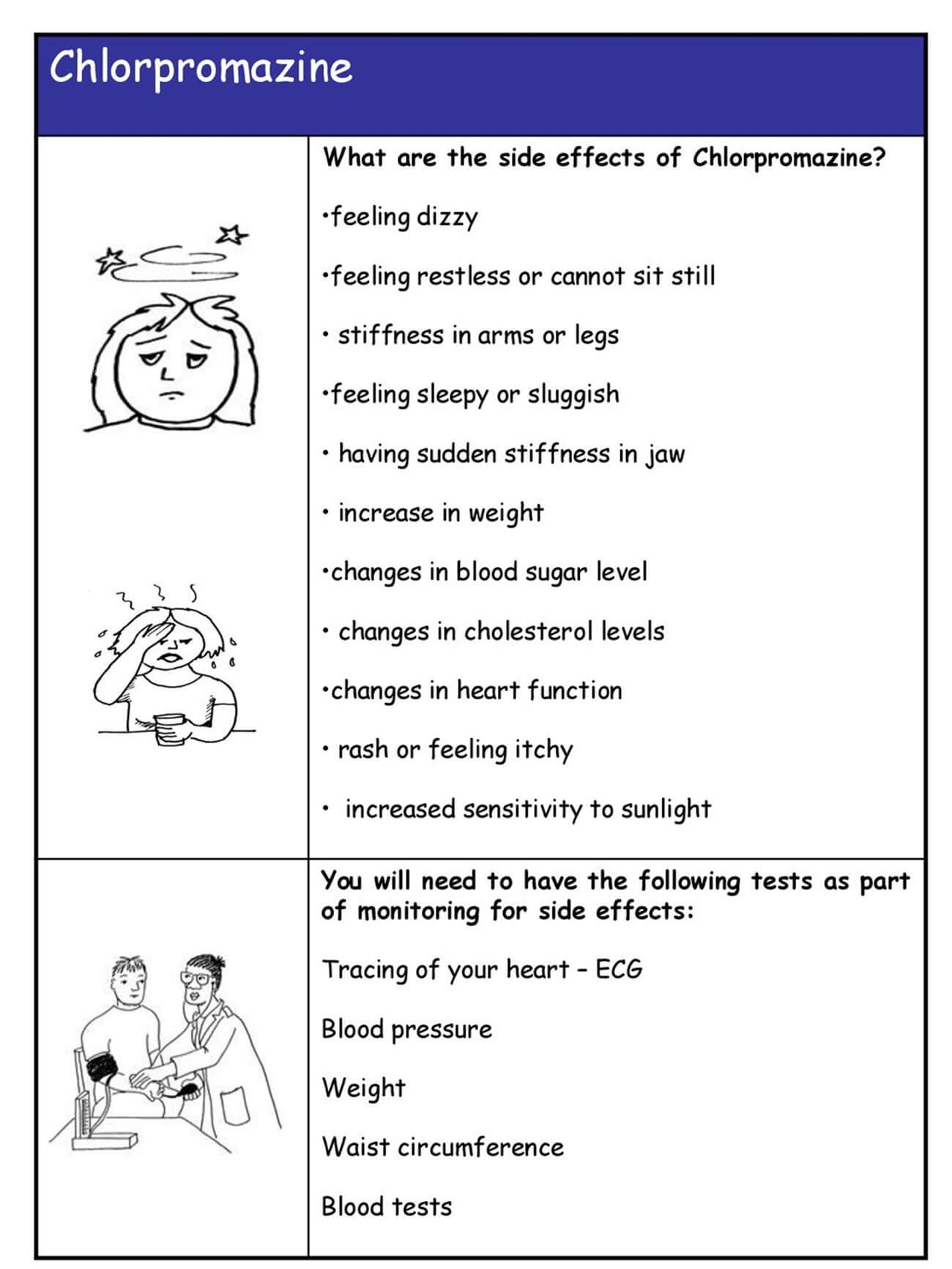
A nurse is teaching a client who has a new prescription for chlorpromazine. Which of the following client statements indicates an understanding of the teaching?
A. "I may have a dry mouth while taking this medication."
Dry mouth is a common side effect of chlorpromazine, which is a typical antipsychotic medication. This statement indicates that the client understands a potential side effect of the medication.
B. "This medication will help me stop smoking."
This statement is incorrect. Chlorpromazine is not used as a medication to aid in smoking cessation. It is primarily used to treat conditions such as schizophrenia and other psychotic disorders.
C. I should expect flu-like symptoms while taking this medication."
This statement is incorrect. Flu-like symptoms are not a common side effect of chlorpromazine. Side effects more commonly associated with chlorpromazine include drowsiness, dizziness, and movement-related issues.
D. This medication may cause me to urinate frequently."
This statement is incorrect. While chlorpromazine can cause various side effects, increased frequency of urination is not one of the typical side effects associated with this medication.
This question is an excerpt from Nurse Dive's nursing test bank - ATI Mental Health Proctored Exam. Take the full exam now
Full Explanation
A. "I may have a dry mouth while taking this medication.":
Explanation: Correct Answer. Dry mouth is a common side effect of chlorpromazine, which is a typical antipsychotic medication. This statement indicates that the client understands the potential side effects of the medication.
B. "This medication will help me stop smoking.":
Explanation: This statement is incorrect. Chlorpromazine is not used as a medication to aid in smoking cessation. It is primarily used to treat conditions such as schizophrenia and other psychotic disorders.
C. "I should expect flu-like symptoms while taking this medication.":
Explanation: This statement is incorrect. Flu-like symptoms are not a common side effect of chlorpromazine. Side effects more commonly associated with chlorpromazine include drowsiness, dizziness, and movement-related issues.
D. "This medication may cause me to urinate frequently.":
Explanation: This statement is incorrect. While chlorpromazine can cause various side effects, increased frequency of urination is not one of the typical side effects associated with this medication.
Similar Questions
A nurse is caring for a client who is having difficulty sleeping and is pacing the floor. The client's head down, and he is wringing his hands. Which of the following actions should the nurse take?
A. Remain with the client.
Remaining with the client provides support and ensures their safety. The client's behavior indicates distress, and having a nurse nearby can help the client feel more comfortable and secure.
B. Give to client a PRN sleeping medication,
Administering a sleeping medication should not be the first response, especially if the client is agitated. It's important to address the underlying cause of the agitation and consider other interventions before resorting to medication.
C. Encourage the client to go back to bed.
Encouraging the client to go back to bed might not be effective if they are experiencing significant distress or anxiety. It's better to address their emotional state first before suggesting any changes in activity.
D. Explore alternatives to pacing the floor with the client.
This is a reasonable course of action. Exploring alternatives to the client's current behavior can help address their distress and find ways to manage their emotions more effectively.
Full Explanation
Remaining with the client provides support and ensures their safety. The client's behavior indicates distress, and having a nurse nearby can help the client feel more comfortable and secure.
B. Give the client a PRN sleeping medication:
Explanation: Administering a sleeping medication should not be the first response, especially if the client is agitated. It's important to address the underlying cause of the agitation and consider other interventions before resorting to medication.
C. Encourage the client to go back to bed:
Explanation: Encouraging the client to go back to bed might not be effective if they are experiencing significant distress or anxiety. It's better to address their emotional state first before suggesting any changes in activity.
D. Explore alternatives to pacing the floor with the client:
Explanation: This is a reasonable course of action. Exploring alternatives to the client's current behavior can help address their distress and find ways to manage their emotions more effectively.
A nurse is caring for a client who is having difficulty sleeping and is pacing the floor. The client's head down, and he is wringing his hands. Which of the following actions should the nurse take?
A. Remain with the client.
Remaining with the client provides support and ensures their safety. The client's behavior indicates distress, and having a nurse nearby can help the client feel more comfortable and secure.
B. Give the client a PRN sleeping medication.
Administering a sleeping medication should not be the first response, especially if the client is agitated. It's important to address the underlying cause of the agitation and consider other interventions before resorting to medication.
C. Encourage the client to go back to bed.
Encouraging the client to go back to bed might not be effective if they are experiencing significant distress or anxiety. It's better to address their emotional state first before suggesting any changes in activity.
D. Explore alternatives to pacing the floor with the client
This is a reasonable course of action. Exploring alternatives to the client's current behavior can help address their distress and find ways to manage their emotions more effectively.
Full Explanation
Remaining with the client provides support and ensures their safety. The client's behavior indicates distress, and having a nurse nearby can help the client feel more comfortable and secure.
B. Give the client a PRN sleeping medication:
Explanation: Administering a sleeping medication should not be the first response, especially if the client is agitated. It's important to address the underlying cause of the agitation and consider other interventions before resorting to medication.
C. Encourage the client to go back to bed:
Explanation: Encouraging the client to go back to bed might not be effective if they are experiencing significant distress or anxiety. It's better to address their emotional state first before suggesting any changes in activity.
D. Explore alternatives to pacing the floor with the client:
Explanation: This is a reasonable course of action. Exploring alternatives to the client's current behavior can help address their distress and find ways to manage their emotions more effectively.
A nurse is caring for a client who has major depressive disorder and attempted suicide. The client tells the nurse, "I should have died because I am totally worthless." Which of the following responses should the nurse make?
A. "You've been feeling that your life has no meaning."
This response reflects active listening and acknowledges the client's emotions. It reflects the client's feelings and encourages them to express more about their emotions and thoughts. It shows empathy and understanding, which can help build trust and rapport.
B. "You have a great deal to live for."
"You have a great deal to live for" may seem dismissive and does not address the client's current feelings of worthlessness.
C. "It's not unusual for depressed people to feel that way."
"It's not unusual for depressed people to feel that way" can come across as minimizing the client's unique experience and does not provide support or encourage further discussion.
D. "Why do you feel you are worthless?"
"Why do you feel you are worthless?" might make the client feel defensive or overwhelmed, and it does not offer the same level of empathy and support as reflecting their feelings would.
Full Explanation
A. "You've been feeling that your life has no meaning."This response reflects active listening and acknowledges the client's emotions. It reflects the client's feelings and encourages them to express more about their emotions and thoughts. It shows empathy and understanding, which can help build trust and rapport.
B. "You have a great deal to live for" may seem dismissive and does not address the client's current feelings of worthlessness.
C. "It's not unusual for depressed people to feel that way" can come across as minimizing the client's unique experience and does not provide support or encourage further discussion.
D. "Why do you feel you are worthless?" might make the client feel defensive or overwhelmed, and it does not offer the same level of empathy and support as reflecting their feelings would.