
Nursing practice questions with comprehensive rationales
NurseDive Free Nursing Practice Question
A. Inject the medication into the abdomen above the level of the iliac crest.
Injecting the medication into the abdomen above the level of the iliac crest is the correct action. This is the preferred site for heparin administration, as it has fewer blood vessels and nerves, and allows for better absorption of the medication. The nurse should avoid the area around the umbilicus, as it may have increased bleeding and bruising.
B. Massage the injection site after administration of the medication.
Massaging the injection site after administration of the medication is not the correct action. This may cause hematoma formation, tissue irritation, and reduced effectiveness of the medication. The nurse should apply gentle pressure to the injection site for 1 to 2 minutes after administration.
C. Use a 1-inch needle to inject the medication.
Using a 1-inch needle to inject the medication is not the correct action. This may cause pain, tissue damage, and bleeding. The nurse should use a 25- to 28-gauge needle that is 3/8 to 5/8 inch long to inject the medication.
D. Use a 22-gauge needle to inject the medication.
Using a 22-gauge needle to inject the medication is not the correct action. This may cause pain, tissue damage, and bleeding. The nurse should use a 25- to 28-gauge needle that is 3/8 to 5/8 inch long to inject the medication.
This question is an excerpt from Nurse Dive's nursing test bank - Ati Pharmacology Proctored Exam 2. Take the full exam now
Full Explanation
Choice A reason: Injecting the medication into the abdomen above the level of the iliac crest is the correct action. This is the preferred site for heparin administration, as it has fewer blood vessels and nerves, and allows for better absorption of the medication. The nurse should avoid the area around the umbilicus, as it may have increased bleeding and bruising.
Choice B reason: Massaging the injection site after administration of the medication is not the correct action. This may cause hematoma formation, tissue irritation, and reduced effectiveness of the medication. The nurse should apply gentle pressure to the injection site for 1 to 2 minutes after administration.
Choice C reason: Using a 1-inch needle to inject the medication is not the correct action. This may cause pain, tissue damage, and bleeding. The nurse should use a 25- to 28-gauge needle that is 3/8 to 5/8 inch long to inject the medication.
Choice D reason: Using a 22-gauge needle to inject the medication is not the correct action. This may cause pain, tissue damage, and bleeding. The nurse should use a 25- to 28-gauge needle that is 3/8 to 5/8 inch long to inject the medication.
Similar Questions
A nurse is providing teaching to a client who has hypertension and a new prescription for verapamil. Which of the following beverages should the nurse tell the client to avoid while taking this medication?
A. Grapefruit juice
Grapefruit juice should be avoided while taking verapamil, as it can increase the blood levels of the medication and cause adverse effects such as hypotension, bradycardia, and dizziness. Grapefruit juice inhibits the enzyme that metabolizes verapamil in the liver, leading to higher concentrations of the drug in the bloodstream.
B. Orange juice
Orange juice is not a contraindication for verapamil, as it does not affect the metabolism or absorption of the medication. Orange juice is a good source of vitamin C and potassium, which may benefit clients with hypertension.
C. Milk
Milk is not a contraindication for verapamil, as it does not affect the metabolism or absorption of the medication. Milk is a good source of calcium and protein, which may benefit clients with hypertension.
D. Coffee
Coffee is not a contraindication for verapamil, as it does not affect the metabolism or absorption of the medication. However, coffee contains caffeine, which is a stimulant that can increase the heart rate and blood pressure. Therefore, clients with hypertension should limit their intake of caffeine and other stimulants.
Full Explanation
Choice A reason: Grapefruit juice should be avoided while taking verapamil, as it can increase the blood levels of the medication and cause adverse effects such as hypotension, bradycardia, and dizziness. Grapefruit juice inhibits the enzyme that metabolizes verapamil in the liver, leading to higher concentrations of the drug in the bloodstream.
Choice B reason: Orange juice is not a contraindication for verapamil, as it does not affect the metabolism or absorption of the medication. Orange juice is a good source of vitamin C and potassium, which may benefit clients with hypertension.
Choice C reason: Milk is not a contraindication for verapamil, as it does not affect the metabolism or absorption of the medication. Milk is a good source of calcium and protein, which may benefit clients with hypertension.
Choice D reason: Coffee is not a contraindication for verapamil, as it does not affect the metabolism or absorption of the medication. However, coffee contains caffeine, which is a stimulant that can increase the heart rate and blood pressure. Therefore, clients with hypertension should limit their intake of caffeine and other stimulants.
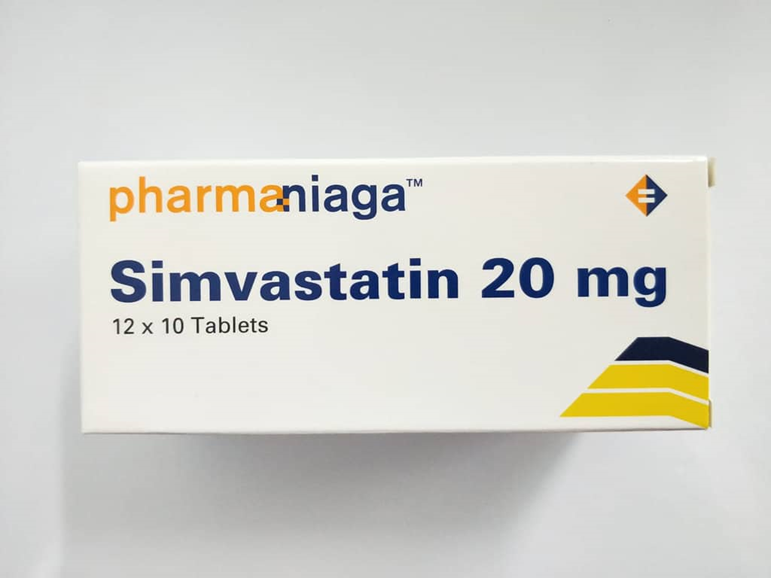
A nurse is teaching a client who has a new prescription for simvastatin. Which of the following instructions should the nurse include?
A. You should take the medication in the morning.
Taking the medication in the morning is not the correct instruction. Simvastatin is a statin drug that lowers cholesterol levels by inhibiting the enzyme that produces cholesterol in the liver. The liver produces more cholesterol at night, so simvastatin is more effective when taken in the evening or at bedtime.
B. You should avoid grapefruit juice.
Avoiding grapefruit juice is the correct instruction. Grapefruit juice can increase the blood levels of simvastatin and cause serious side effects such as muscle damage, liver damage, and kidney failure. Grapefruit juice inhibits the enzyme that metabolizes simvastatin in the intestine, leading to higher concentrations of the drug in the bloodstream.
C. You should monitor for ringing in the ears.
Monitoring for ringing in the ears is not the correct instruction. Ringing in the ears, or tinnitus, is not a common or serious side effect of simvastatin. However, some other medications that lower cholesterol, such as niacin and gemfibrozil, can cause tinnitus. The client should report any unusual or persistent symptoms to the prescriber.
D. You should expect brown-colored urine.
Expecting brown-colored urine is not the correct instruction. Brown-colored urine, or hematuria, is not a normal or expected side effect of simvastatin. However, it may indicate a serious condition such as rhabdomyolysis, which is a rare but life-threatening complication of statin therapy. Rhabdomyolysis is the breakdown of muscle tissue that releases a protein called myoglobin into the bloodstream. Myoglobin can damage the kidneys and cause brown-colored urine. The client should seek immediate medical attention if they notice any signs of rhabdomyolysis, such as muscle pain, weakness, fever, or dark urine.
Full Explanation
Choice A reason: Taking the medication in the morning is not the correct instruction. Simvastatin is a statin drug that lowers cholesterol levels by inhibiting the enzyme that produces cholesterol in the liver. The liver produces more cholesterol at night, so simvastatin is more effective when taken in the evening or at bedtime.
Choice B reason: Avoiding grapefruit juice is the correct instruction. Grapefruit juice can increase the blood levels of simvastatin and cause serious side effects such as muscle damage, liver damage, and kidney failure. Grapefruit juice inhibits the enzyme that metabolizes simvastatin in the intestine, leading to higher concentrations of the drug in the bloodstream.
Choice C reason: Monitoring for ringing in the ears is not the correct instruction. Ringing in the ears, or tinnitus, is not a common or serious side effect of simvastatin. However, some other medications that lower cholesterol, such as niacin and gemfibrozil, can cause tinnitus. The client should report any unusual or persistent symptoms to the prescriber.
Choice D reason: Expecting brown-colored urine is not the correct instruction. Brown-colored urine, or hematuria, is not a normal or expected side effect of simvastatin. However, it may indicate a serious condition such as rhabdomyolysis, which is a rare but life-threatening complication of statin therapy. Rhabdomyolysis is the breakdown of muscle tissue that releases a protein called myoglobin into the bloodstream. Myoglobin can damage the kidneys and cause brown-colored urine. The client should seek immediate medical attention if they notice any signs of rhabdomyolysis, such as muscle pain, weakness, fever, or dark urine.
A nurse is caring for a client who is receiving a continuous IV infusion of heparin. Which of the following actions should the nurse take?
A. Use IV tubing specific for heparin sodium when administering the infusion.
Using IV tubing specific for heparin sodium when administering the infusion is not the correct action. Heparin sodium can be administered using any standard IV tubing, as long as it is primed with heparin solution to prevent clotting in the tubing.
B. Administer 50,000 units of heparin by IV bolus every 12 hours.
Administering 50,000 units of heparin by IV bolus every 12 hours is not the correct action. This is a very high dose of heparin that can cause bleeding complications. The usual dose of heparin for continuous IV infusion is 15 to 25 units/kg/hour, adjusted according to the aPTT results.
C. Have vitamin K available on the nursing unit.
Having vitamin K available on the nursing unit is not the correct action. Vitamin K is the antidote for warfarin, not heparin. Vitamin K reverses the effects of warfarin by increasing the synthesis of clotting factors in the liver.
D. Check the activated partial thromboplastin time (aPTT) every 4 hours.
Checking the activated partial thromboplastin time (aPTT) every 4 hours is the correct action. The aPTT is a blood test that measures the time it takes for the blood to clot. It is used to monitor the effectiveness and safety of heparin therapy. The therapeutic range of aPTT for heparin is 1.5 to 2.5 times the normal value, or 60 to 80 seconds. The nurse should check the aPTT every 4 hours until it is within the therapeutic range, and then every 6 to 8 hours thereafter. The nurse should adjust the heparin infusion rate according to the aPTT results and the prescriber's orders.
Full Explanation
Choice A reason: Using IV tubing specific for heparin sodium when administering the infusion is not the correct action. Heparin sodium can be administered using any standard IV tubing, as long as it is primed with heparin solution to prevent clotting in the tubing.
Choice B reason: Administering 50,000 units of heparin by IV bolus every 12 hours is not the correct action. This is a very high dose of heparin that can cause bleeding complications. The usual dose of heparin for continuous IV infusion is 15 to 25 units/kg/hour, adjusted according to the aPTT results.
Choice C reason: Having vitamin K available on the nursing unit is not the correct action. Vitamin K is the antidote for warfarin, not heparin. Vitamin K reverses the effects of warfarin by increasing the synthesis of clotting factors in the liver.
Choice D reason: Checking the activated partial thromboplastin time (aPTT) every 4 hours is the correct action. The aPTT is a blood test that measures the time it takes for the blood to clot. It is used to monitor the effectiveness and safety of heparin therapy. The therapeutic range of aPTT for heparin is 1.5 to 2.5 times the normal value, or 60 to 80 seconds. The nurse should check the aPTT every 4 hours until it is within the therapeutic range, and then every 6 to 8 hours thereafter. The nurse should adjust the heparin infusion rate according to the aPTT results and the prescriber's orders.