
Nursing practice questions with comprehensive rationales
NurseDive Free Nursing Practice Question
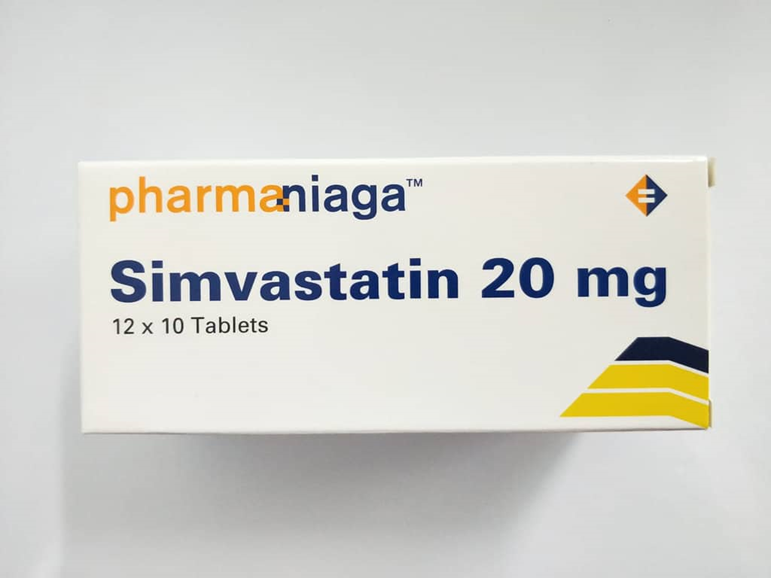
A nurse is teaching a client who has a new prescription for simvastatin. Which of the following instructions should the nurse include?
A. You should take the medication in the morning.
Taking the medication in the morning is not the correct instruction. Simvastatin is a statin drug that lowers cholesterol levels by inhibiting the enzyme that produces cholesterol in the liver. The liver produces more cholesterol at night, so simvastatin is more effective when taken in the evening or at bedtime.
B. You should avoid grapefruit juice.
Avoiding grapefruit juice is the correct instruction. Grapefruit juice can increase the blood levels of simvastatin and cause serious side effects such as muscle damage, liver damage, and kidney failure. Grapefruit juice inhibits the enzyme that metabolizes simvastatin in the intestine, leading to higher concentrations of the drug in the bloodstream.
C. You should monitor for ringing in the ears.
Monitoring for ringing in the ears is not the correct instruction. Ringing in the ears, or tinnitus, is not a common or serious side effect of simvastatin. However, some other medications that lower cholesterol, such as niacin and gemfibrozil, can cause tinnitus. The client should report any unusual or persistent symptoms to the prescriber.
D. You should expect brown-colored urine.
Expecting brown-colored urine is not the correct instruction. Brown-colored urine, or hematuria, is not a normal or expected side effect of simvastatin. However, it may indicate a serious condition such as rhabdomyolysis, which is a rare but life-threatening complication of statin therapy. Rhabdomyolysis is the breakdown of muscle tissue that releases a protein called myoglobin into the bloodstream. Myoglobin can damage the kidneys and cause brown-colored urine. The client should seek immediate medical attention if they notice any signs of rhabdomyolysis, such as muscle pain, weakness, fever, or dark urine.
This question is an excerpt from Nurse Dive's nursing test bank - Ati Pharmacology Proctored Exam 2. Take the full exam now
Full Explanation
Choice A reason: Taking the medication in the morning is not the correct instruction. Simvastatin is a statin drug that lowers cholesterol levels by inhibiting the enzyme that produces cholesterol in the liver. The liver produces more cholesterol at night, so simvastatin is more effective when taken in the evening or at bedtime.
Choice B reason: Avoiding grapefruit juice is the correct instruction. Grapefruit juice can increase the blood levels of simvastatin and cause serious side effects such as muscle damage, liver damage, and kidney failure. Grapefruit juice inhibits the enzyme that metabolizes simvastatin in the intestine, leading to higher concentrations of the drug in the bloodstream.
Choice C reason: Monitoring for ringing in the ears is not the correct instruction. Ringing in the ears, or tinnitus, is not a common or serious side effect of simvastatin. However, some other medications that lower cholesterol, such as niacin and gemfibrozil, can cause tinnitus. The client should report any unusual or persistent symptoms to the prescriber.
Choice D reason: Expecting brown-colored urine is not the correct instruction. Brown-colored urine, or hematuria, is not a normal or expected side effect of simvastatin. However, it may indicate a serious condition such as rhabdomyolysis, which is a rare but life-threatening complication of statin therapy. Rhabdomyolysis is the breakdown of muscle tissue that releases a protein called myoglobin into the bloodstream. Myoglobin can damage the kidneys and cause brown-colored urine. The client should seek immediate medical attention if they notice any signs of rhabdomyolysis, such as muscle pain, weakness, fever, or dark urine.
Similar Questions
A nurse is caring for a client who is receiving a continuous IV infusion of heparin. Which of the following actions should the nurse take?
A. Use IV tubing specific for heparin sodium when administering the infusion.
Using IV tubing specific for heparin sodium when administering the infusion is not the correct action. Heparin sodium can be administered using any standard IV tubing, as long as it is primed with heparin solution to prevent clotting in the tubing.
B. Administer 50,000 units of heparin by IV bolus every 12 hours.
Administering 50,000 units of heparin by IV bolus every 12 hours is not the correct action. This is a very high dose of heparin that can cause bleeding complications. The usual dose of heparin for continuous IV infusion is 15 to 25 units/kg/hour, adjusted according to the aPTT results.
C. Have vitamin K available on the nursing unit.
Having vitamin K available on the nursing unit is not the correct action. Vitamin K is the antidote for warfarin, not heparin. Vitamin K reverses the effects of warfarin by increasing the synthesis of clotting factors in the liver.
D. Check the activated partial thromboplastin time (aPTT) every 4 hours.
Checking the activated partial thromboplastin time (aPTT) every 4 hours is the correct action. The aPTT is a blood test that measures the time it takes for the blood to clot. It is used to monitor the effectiveness and safety of heparin therapy. The therapeutic range of aPTT for heparin is 1.5 to 2.5 times the normal value, or 60 to 80 seconds. The nurse should check the aPTT every 4 hours until it is within the therapeutic range, and then every 6 to 8 hours thereafter. The nurse should adjust the heparin infusion rate according to the aPTT results and the prescriber's orders.
Full Explanation
Choice A reason: Using IV tubing specific for heparin sodium when administering the infusion is not the correct action. Heparin sodium can be administered using any standard IV tubing, as long as it is primed with heparin solution to prevent clotting in the tubing.
Choice B reason: Administering 50,000 units of heparin by IV bolus every 12 hours is not the correct action. This is a very high dose of heparin that can cause bleeding complications. The usual dose of heparin for continuous IV infusion is 15 to 25 units/kg/hour, adjusted according to the aPTT results.
Choice C reason: Having vitamin K available on the nursing unit is not the correct action. Vitamin K is the antidote for warfarin, not heparin. Vitamin K reverses the effects of warfarin by increasing the synthesis of clotting factors in the liver.
Choice D reason: Checking the activated partial thromboplastin time (aPTT) every 4 hours is the correct action. The aPTT is a blood test that measures the time it takes for the blood to clot. It is used to monitor the effectiveness and safety of heparin therapy. The therapeutic range of aPTT for heparin is 1.5 to 2.5 times the normal value, or 60 to 80 seconds. The nurse should check the aPTT every 4 hours until it is within the therapeutic range, and then every 6 to 8 hours thereafter. The nurse should adjust the heparin infusion rate according to the aPTT results and the prescriber's orders.
A nurse is caring for a client who has developed agranulocytosis as a result of taking propylthiouracil to treat hyperthyroidism. The nurse should understand that this client is at increased risk for which of the following conditions?
A. Infection
Infection is the correct condition that the client is at increased risk for. Agranulocytosis is a severe decrease in the number of granulocytes, which are a type of white blood cell that fight infection. Propylthiouracil is an antithyroid drug that can cause agranulocytosis as a rare but serious side effect. The client with agranulocytosis is more susceptible to bacterial and fungal infections, and may present with fever, sore throat, mouth ulcers, and skin lesions.
B. Excessive bleeding
Excessive bleeding is not the correct condition that the client is at increased risk for. Agranulocytosis does not affect the platelets, which are the blood cells that help with clotting. Propylthiouracil does not cause bleeding disorders, although it may interact with anticoagulants and increase their effect.
C. Hyperglycemia
Hyperglycemia is not the correct condition that the client is at increased risk for. Agranulocytosis does not affect the insulin, which is the hormone that regulates blood glucose levels. Propylthiouracil does not cause hyperglycemia, although it may interfere with the metabolism of oral hypoglycemic agents and decrease their effect.
D. Ecchymosis
Ecchymosis is not the correct condition that the client is at increased risk for. Ecchymosis is a bruise caused by bleeding under the skin. Agranulocytosis does not cause ecchymosis, as it does not affect the blood vessels or the platelets. Propylthiouracil does not cause ecchymosis, although it may increase the risk of skin rash and pruritus.
Full Explanation
Choice A reason: Infection is the correct condition that the client is at increased risk for. Agranulocytosis is a severe decrease in the number of granulocytes, which are a type of white blood cell that fight infection. Propylthiouracil is an antithyroid drug that can cause agranulocytosis as a rare but serious side effect. The client with agranulocytosis is more susceptible to bacterial and fungal infections, and may present with fever, sore throat, mouth ulcers, and skin lesions.
Choice B reason: Excessive bleeding is not the correct condition that the client is at increased risk for. Agranulocytosis does not affect the platelets, which are the blood cells that help with clotting. Propylthiouracil does not cause bleeding disorders, although it may interact with anticoagulants and increase their effect.
Choice C reason: Hyperglycemia is not the correct condition that the client is at increased risk for. Agranulocytosis does not affect the insulin, which is the hormone that regulates blood glucose levels. Propylthiouracil does not cause hyperglycemia, although it may interfere with the metabolism of oral hypoglycemic agents and decrease their effect.
Choice D reason: Ecchymosis is not the correct condition that the client is at increased risk for. Ecchymosis is a bruise caused by bleeding under the skin. Agranulocytosis does not cause ecchymosis, as it does not affect the blood vessels or the platelets. Propylthiouracil does not cause ecchymosis, although it may increase the risk of skin rash and pruritus.
A nurse is monitoring a client who is receiving a unit of packed red blood cells (RBCs) following surgery. Which of the following assessments is an indication that the client might be experiencing circulatory overload?
A. Bradycardia
Bradycardia is not an indication of circulatory overload. Bradycardia is a slow heart rate, usually below 60 beats per minute. Circulatory overload causes the heart to work harder to pump the excess fluid in the blood vessels, which can result in tachycardia, or a fast heart rate, usually above 100 beats per minute.
B. Flushing
Flushing is not an indication of circulatory overload. Flushing is a reddening of the skin, usually due to increased blood flow or inflammation. Circulatory overload causes the blood vessels to constrict and increase the blood pressure, which can result in pallor, or a pale appearance of the skin.
C. Vomiting
Vomiting is not an indication of circulatory overload. Vomiting is the forceful expulsion of stomach contents through the mouth, usually due to nausea, infection, or irritation. Circulatory overload does not affect the gastrointestinal system directly, although it may cause abdominal distension or ascites, which is the accumulation of fluid in the abdominal cavity.
D. Dyspnea
Dyspnea is an indication of circulatory overload. Dyspnea is the sensation of difficulty breathing, usually due to inadequate oxygen delivery to the tissues. Circulatory overload causes the excess fluid in the blood vessels to leak into the lungs, which can result in pulmonary edema, or the accumulation of fluid in the alveoli. This impairs the gas exchange and causes hypoxia, or low oxygen levels in the blood.
Full Explanation
Choice A reason: Bradycardia is not an indication of circulatory overload. Bradycardia is a slow heart rate, usually below 60 beats per minute. Circulatory overload causes the heart to work harder to pump the excess fluid in the blood vessels, which can result in tachycardia, or a fast heart rate, usually above 100 beats per minute.
Choice B reason: Flushing is not an indication of circulatory overload. Flushing is a reddening of the skin, usually due to increased blood flow or inflammation. Circulatory overload causes the blood vessels to constrict and increase the blood pressure, which can result in pallor, or a pale appearance of the skin.
Choice C reason: Vomiting is not an indication of circulatory overload. Vomiting is the forceful expulsion of stomach contents through the mouth, usually due to nausea, infection, or irritation. Circulatory overload does not affect the gastrointestinal system directly, although it may cause abdominal distension or ascites, which is the accumulation of fluid in the abdominal cavity.
Choice D reason: Dyspnea is an indication of circulatory overload. Dyspnea is the sensation of difficulty breathing, usually due to inadequate oxygen delivery to the tissues. Circulatory overload causes the excess fluid in the blood vessels to leak into the lungs, which can result in pulmonary edema, or the accumulation of fluid in the alveoli. This impairs the gas exchange and causes hypoxia, or low oxygen levels in the blood.