
Nursing practice questions with comprehensive rationales
NurseDive Free Nursing Practice Question
A nurse is preparing to administer immunizations to a 3-month-old infant.
Which of the following is an appropriate action for the nurse to take to deliver atraumatic care?
A. Provide a pacifier coated with an oral sucrose solution prior to the injections.
Oral sucrose solution has been shown to have analgesic effects and can help reduce pain and discomfort in infants during procedures such as immunizations.
B. Use a 20-gauge needle for the injections.
Choice B is wrong because Use a 20-gauge needle for the injections is not an answer because a 20-gauge needle is larger than the recommended size for infant immunizations.
C. Apply eutectic mixture of local anesthetics (EMLA) cream immediately before the injections.
Choice C is wrong because Apply eutectic mixture of local anesthetics (EMLA) cream immediately before the injections is not an answer because EMLA cream needs to be applied at least 1 hour before the procedure to be effective.
D. Inject the immunizations into the deltoid muscle.
Choice D is wrong because Inject the immunizations into the deltoid muscle is not an answer because the deltoid muscle is not recommended for infants under 12 months of age.
This question is an excerpt from Nurse Dive's nursing test bank - ATI RN Nursing Care of Children 2019 Proctored Exam. Take the full exam now
Full Explanation

Oral sucrose solution has been shown to have analgesic effects and can help reduce pain and discomfort in infants during procedures such as immunizations.
Choice B is wrong because Use a 20-gauge needle for the injections is not an answer because a 20-gauge needle is larger than the recommended size for infant immunizations.
Choice C is wrong because Apply eutectic mixture of local anesthetics (EMLA) cream immediately before the injections is not an answer because EMLA cream needs to be applied at least 1 hour before the procedure to be effective.
Choice D is wrong because Inject the immunizations into the deltoid muscle is not an answer because the deltoid muscle is not recommended for infants under 12 months of age.
Similar Questions
A school nurse is assessing a 7-year-old student.
The nurse should identify which of the following findings as a potential indicator of physical abuse?
A. Weight in 45th percentile.
Choice A is wrong because Weight in 45th percentile is not an answer because it falls within the normal range for weight.
B. Abrasions on the knees.
Choice B is wrong because Abrasions on the knees are not an answer because they are a common injury in children and can occur during normal play.
C. Bruising around the wrists.
Bruises in areas of the body not typically injured by accident or normal childhood activities can be a potential indicator of physical abuse.
D. Front deciduous teeth missing.
Choice D is wrong because Front deciduous teeth missing is not an answer because it is normal for children to lose their deciduous teeth.
Full Explanation

Bruises in areas of the body not typically injured by accident or normal childhood activities can be a potential indicator of physical abuse.
Choice A is wrong because Weight in 45th percentile is not an answer because it falls within the normal range for weight.
Choice B is wrong because Abrasions on the knees are not an answer because they are a common injury in children and can occur during normal play.
Choice D is wrong because Front deciduous teeth missing is not an answer because it is normal for children to lose their deciduous teeth.
A nurse is planning to teach an adolescent who is lactose intolerant about dietary guidelines.
Which of the following instructions should the nurse include in the teaching?
A. "You can drink milk on an empty stomach.”
Choice A is wrong because “You can drink milk on an empty stomach” is not an answer because it may worsen symptoms of lactose intolerance.
B. "You might tolerate plain milk better than chocolate milk.”
Choice B is wrong because “You might tolerate plain milk better than chocolate milk” is not an answer because both plain and chocolate milk contain lactose.
C. "You can replace milk with nondairy sources of calcium.”
People with lactose intolerance can replace milk and dairy products with nondairy sources of calcium such as calcium-fortified products, fish with soft bones, broccoli and leafy green vegetables, oranges, almonds, Brazil nuts, and dried beans.
D. "You should consume flavored yogurt instead of plain yogurt.”
Choice D is wrong because “You should consume flavored yogurt instead of plain yogurt” is not an answer because both flavored and plain yogurt contain lactose.
Full Explanation
People with lactose intolerance can replace milk and dairy products with nondairy sources of calcium such as calcium-fortified products, fish with soft bones, broccoli and leafy green vegetables, oranges, almonds, Brazil nuts, and dried beans.
Choice A is wrong because “You can drink milk on an empty stomach” is not an answer because it may worsen symptoms of lactose intolerance.
Choice B is wrong because “You might tolerate plain milk better than chocolate milk” is not an answer because both plain and chocolate milk contain lactose.
Choice D is wrong because “You should consume flavored yogurt instead of plain yogurt” is not an answer because both flavored and plain yogurt contain lactose.
A nurse is prioritizing care for four clients.
Which of the following clients should the nurse assess first?
A. An adolescent who has sickle cell anemia and slurred speech.
An adolescent who has sickle cell anemia and slurred speech should be assessed first. Slurred speech can be a sign of a stroke, which is a known complication of sickle cell anemia. This requires immediate medical attention.
B. An adolescent who is in skin traction and reports a pain level of 7 on a scale from 0 to 10.
Choice B is wrong because while pain management is important, it is not as urgent as a potential stroke.
C. A toddler who has a new diagnosis of osteomyelitis and is to receive an IV bolus of nafcillin.
Choice C is wrong because while administering medication is important, it is not as urgent as a potential stroke.
D. A toddler who has a partial-thickness burn on his right hand and requires a dressing change.
Choice D is wrong because while wound care is important, it is not as urgent as a potential stroke.
Full Explanation
An adolescent who has sickle cell anemia and slurred speech should be assessed first.
Slurred speech can be a sign of a stroke, which is a known complication of sickle cell anemia.
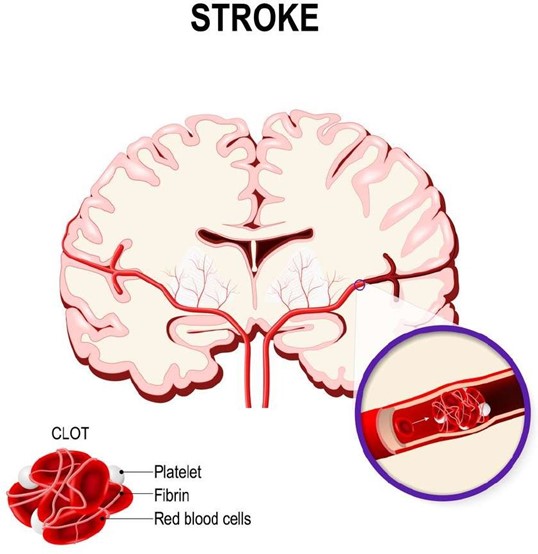
This requires immediate medical attention.
Choice B is wrong because while pain management is important, it is not as urgent as a potential stroke.
Choice C is wrong because while administering medication is important, it is not as urgent as a potential stroke.
Choice D is wrong because while wound care is important, it is not as urgent as a potential stroke.