
Nursing practice questions with comprehensive rationales
NurseDive Free Nursing Practice Question
A nurse is prioritizing care for four clients.
Which of the following clients should the nurse assess first?
A. An adolescent who has sickle cell anemia and slurred speech.
An adolescent who has sickle cell anemia and slurred speech should be assessed first. Slurred speech can be a sign of a stroke, which is a known complication of sickle cell anemia. This requires immediate medical attention.
B. An adolescent who is in skin traction and reports a pain level of 7 on a scale from 0 to 10.
Choice B is wrong because while pain management is important, it is not as urgent as a potential stroke.
C. A toddler who has a new diagnosis of osteomyelitis and is to receive an IV bolus of nafcillin.
Choice C is wrong because while administering medication is important, it is not as urgent as a potential stroke.
D. A toddler who has a partial-thickness burn on his right hand and requires a dressing change.
Choice D is wrong because while wound care is important, it is not as urgent as a potential stroke.
This question is an excerpt from Nurse Dive's nursing test bank - ATI RN Nursing Care of Children 2019 Proctored Exam. Take the full exam now
Full Explanation
An adolescent who has sickle cell anemia and slurred speech should be assessed first.
Slurred speech can be a sign of a stroke, which is a known complication of sickle cell anemia.
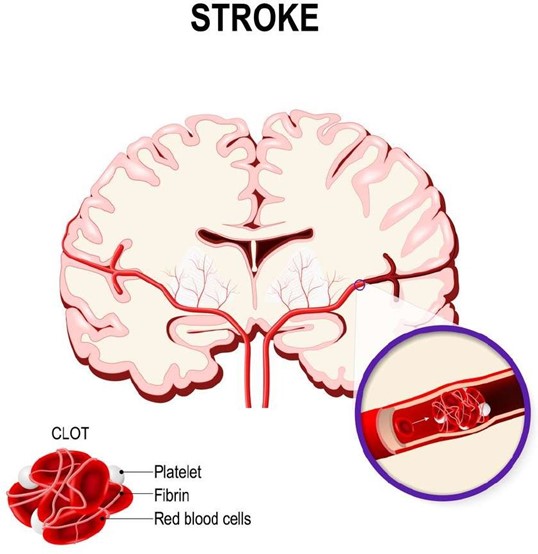
This requires immediate medical attention.
Choice B is wrong because while pain management is important, it is not as urgent as a potential stroke.
Choice C is wrong because while administering medication is important, it is not as urgent as a potential stroke.
Choice D is wrong because while wound care is important, it is not as urgent as a potential stroke.
Similar Questions
A nurse in the emergency department is caring for a child who has a temperature of 39.1° C (102.4° F) and a suspected diagnosis of bacterial meningitis.
Which of the following actions should the nurse take first?
A. Prepare the child for a lumbar puncture.
Choice A is wrong because while a lumbar puncture may be necessary for diagnosis, preventing the spread of infection is a higher priority.
B. Implement droplet precautions for the child.
The nurse should first implement droplet precautions for the child. Bacterial meningitis can be spread through respiratory and throat secretions, so it is important to take precautions to prevent the spread of infection.
C. Dim the lights in the child's room.
Choice C is wrong because while dimming the lights may provide comfort, preventing the spread of infection is a higher priority.
D. Administer an antipyretic to the child.
Choice D is wrong because while administering an antipyretic may provide comfort, preventing the spread of infection is a higher priority.
Full Explanation
The nurse should first implement droplet precautions for the child.
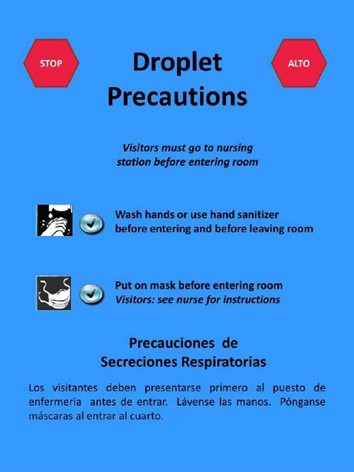
Bacterial meningitis can be spread through respiratory and throat secretions, so it is important to take precautions to prevent the spread of infection.
Choice A is wrong because while a lumbar puncture may be necessary for diagnosis, preventing the spread of infection is a higher priority.
Choice C is wrong because while dimming the lights may provide comfort, preventing the spread of infection is a higher priority.
Choice D is wrong because while administering an antipyretic may provide comfort, preventing the spread of infection is a higher priority.
A nurse in a provider's office is preparing to administer immunizations to a 12- year-old client during a well-child visit.
Which of the following immunizations should the nurse plan to administer?
A. Hepatitis
Choice A is wrong because Hepatitis A vaccine is typically given to children at age.
B. Varicella.
Choice B is wrong because Varicella vaccine is typically given to children at ages 12-15 months and 4-6 years.
C. Diphtheria, tetanus, and pertussis (DTaP).
Choice C is wrong because DTaP vaccine is typically given to children at ages 2, 4, and 6 months, and between ages 15-18 months and 4-6 years.
D. Human papillomavirus (HPV).
The nurse should plan to administer the human papillomavirus (HPV) vaccine to the 12-year-old client. The Centers for Disease Control and Prevention (CDC) recommends that children aged 11-12 years old receive two doses of the HPV vaccine separated by 6-12 months.
E. Human papillomavirus (HPV).
Full Explanation
The nurse should plan to administer the human papillomavirus (HPV) vaccine to the 12-year-old client.

The Centers for Disease Control and Prevention (CDC) recommends that children aged 11-12 years old receive two doses of the HPV vaccine separated by 6-12 months.
Choice A is wrong because Hepatitis A vaccine is typically given to children at age.
Choice B is wrong because Varicella vaccine is typically given to children at ages 12-15 months and 4-6 years.
Choice C is wrong because DTaP vaccine is typically given to children at ages 2, 4, and 6 months, and between ages 15-18 months and 4-6 years.
A nurse is caring for an infant who has rotavirus.
Which of the following findings indicates that the infant is moderately dehydrated?
A. Respiratory rate 28/min.
Choice A is wrong because a respiratory rate of 28/min is within the normal range for an infant.
B. Capillary refill 1 second.
Choice B is wrong because a capillary refill time of 1 second is within the normal range.
C. Weight loss 7%.
A weight loss of 7% indicates that the infant is moderately dehydrated. Dehydration is classified as mild (3-5% weight loss), moderate (6-10% weight loss), or severe (>10% weight loss).
D. Bradycardia.
Choice D is wrong because bradycardia (a slow heart rate) is not a typical sign of moderate dehydration in infants.
Full Explanation
A weight loss of 7% indicates that the infant is moderately dehydrated.

Dehydration is classified as mild (3-5% weight loss), moderate (6-10% weight loss), or severe (>10% weight loss)1.
Choice A is wrong because a respiratory rate of 28/min is within the normal range for an infant.
Choice B is wrong because a capillary refill time of 1 second is within the normal range.
Choice D is wrong because bradycardia (a slow heart rate) is not a typical sign of moderate dehydration in infants.