
Nursing practice questions with comprehensive rationales
NurseDive Free Nursing Practice Question
A nurse is preparing to administer vaccines to a 1-year-old child. Which of the following vaccines should the nurse give? (Select two)
A. Measles, mumps, rubella (MMR)
Choice A reason: Measles, mumps, rubella (MMR): The MMR vaccine is recommended for children at 12-15 months of age. It protects against three serious diseases: measles, mumps, and rubella. The first dose is typically given at 12-15 months, with a second dose at 4-6 years. Measles can cause severe complications such as pneumonia and encephalitis. Mumps can lead to meningitis and hearing loss, while rubella can cause congenital rubella syndrome in pregnant women. Administering the MMR vaccine at the recommended age ensures that the child is protected from these potentially severe diseases.
B. Rotavirus (RV)
Choice B reason: Rotavirus (RV): This vaccine is given to infants at 2, 4, and possibly 6 months of age. It is not typically administered to a 1-year-old child as the series should be completed by 8 months. Rotavirus is a leading cause of severe diarrhea and dehydration in infants and young children. The vaccine is given orally and is highly effective in preventing rotavirus gastroenteritis. However, since the vaccine series is completed by 8 months, it is not appropriate for a 1-year-old child.
C. Human papillomavirus (HPV4)
Choice C reason: Human papillomavirus (HPV4): The HPV vaccine is recommended starting at 11-12 years of age. It is not suitable for a 1-year-old child. HPV is a common virus that can lead to certain types of cancers, including cervical cancer. The vaccine is most effective when given before exposure to HPV, which is why it is recommended for preteens. Administering the HPV vaccine to a 1-year-old would not be appropriate as it is not within the recommended age range.
D. Varicella (VAR)
Choice D reason: Varicella (VAR): The VAR vaccine is recommended for children at 12-15 months of age to protect against chickenpox. A second dose is given at 4-6 years. Chickenpox can cause an itchy rash, fever, and tiredness. In some cases, it can lead to severe skin infections, pneumonia, and encephalitis. Vaccinating at the recommended age ensures that the child is protected from these complications. The first dose at 12-15 months is crucial for building immunity against the varicella virus.
E. Diphtheria, tetanus and acellular pertussis (DTaP)
Choice E reason: Diphtheria, tetanus and acellular pertussis (DTaP): The DTaP vaccine is given in a series of five doses at 2, 4, 6, 15-18 months, and 4-6 years. The 4th dose is given at 15-18 months, not at 1 year. DTaP protects against three serious diseases: diphtheria, which can cause breathing problems and heart failure; tetanus, which causes painful muscle stiffness; and pertussis (whooping cough), which can lead to severe coughing spells and pneumonia. The timing of the doses is crucial for ensuring effective immunity, and the 1-year mark is not one of the recommended times for the DTaP vaccine.
This question is an excerpt from Nurse Dive's nursing test bank - ATI Pediatric Proctored Exam 3. Take the full exam now
Full Explanation
The correct answer is a. Measles, mumps, rubella (MMR) and d. Varicella (VAR).
Choice A reason:
Measles, mumps, rubella (MMR): The MMR vaccine is recommended for children at 12-15 months of age. It protects against three serious diseases: measles, mumps, and rubella. The first dose is typically given at 12-15 months, with a second dose at 4-6 years. Measles can cause severe complications such as pneumonia and encephalitis. Mumps can lead to meningitis and hearing loss, while rubella can cause congenital rubella syndrome in pregnant women. Administering the MMR vaccine at the recommended age ensures that the child is protected from these potentially severe diseases.
Choice B reason:
Rotavirus (RV): This vaccine is given to infants at 2, 4, and possibly 6 months of age. It is not typically administered to a 1-year-old child as the series should be completed by 8 months. Rotavirus is a leading cause of severe diarrhea and dehydration in infants and young children. The vaccine is given orally and is highly effective in preventing rotavirus gastroenteritis. However, since the vaccine series is completed by 8 months, it is not appropriate for a 1-year-old child.
Choice C reason:
Human papillomavirus (HPV4): The HPV vaccine is recommended starting at 11-12 years of age. It is not suitable for a 1-year-old child. HPV is a common virus that can lead to certain types of cancers, including cervical cancer. The vaccine is most effective when given before exposure to HPV, which is why it is recommended for preteens. Administering the HPV vaccine to a 1-year-old would not be appropriate as it is not within the recommended age range.
Choice D reason:
Varicella (VAR): The VAR vaccine is recommended for children at 12-15 months of age to protect against chickenpox. A second dose is given at 4-6 years. Chickenpox can cause an itchy rash, fever, and tiredness. In some cases, it can lead to severe skin infections, pneumonia, and encephalitis. Vaccinating at the recommended age ensures that the child is protected from these complications. The first dose at 12-15 months is crucial for building immunity against the varicella virus.
Choice E reason:
Diphtheria, tetanus and acellular pertussis (DTaP): The DTaP vaccine is given in a series of five doses at 2, 4, 6, 15-18 months, and 4-6 years. The 4th dose is given at 15-18 months, not at 1 year. DTaP protects against three serious diseases: diphtheria, which can cause breathing problems and heart failure; tetanus, which causes painful muscle stiffness; and pertussis (whooping cough), which can lead to severe coughing spells and pneumonia. The timing of the doses is crucial for ensuring effective immunity, and the 1-year mark is not one of the recommended times for the DTaP vaccine.
Similar Questions
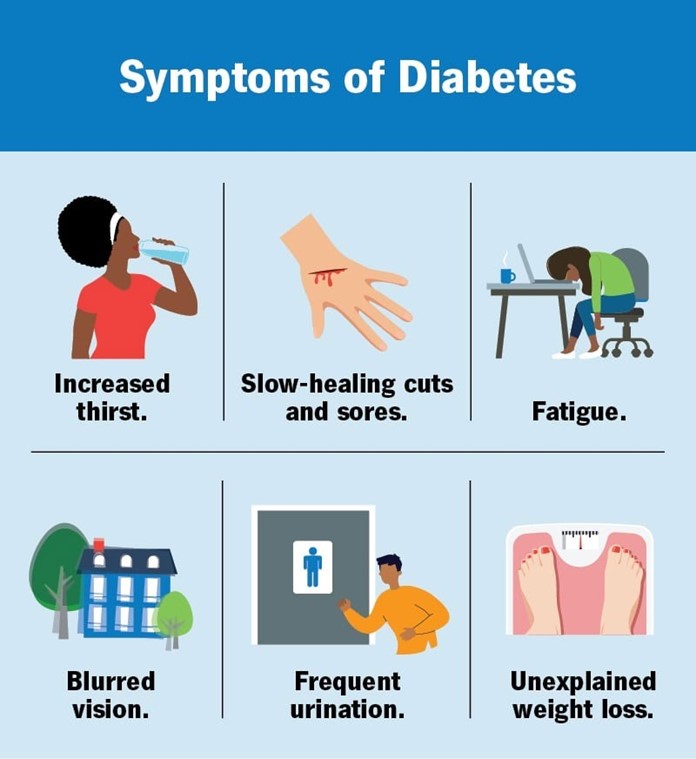
A nurse is providing discharge teaching to the parents of a child who has a new diagnosis of diabetes mellitus. Which of the following statements by the parents indicates an understanding of the teaching?
A. "My son might have nausea and vomiting with hypoglycemia."
Nausea and vomiting are not common signs of hypoglycemia, which is a low blood glucose level. Nausea and vomiting are more likely to occur with hyperglycemia, which is a high blood glucose level, or with diabetic ketoacidosis, which is a life-threatening complication of diabetes.
B. "Sweating can occur with hyperglycemia."
Sweating is not a common sign of hyperglycemia, but rather a sign of hypoglycemia. Sweating occurs as a result of the activation of the sympathetic nervous system, which tries to raise the blood glucose level by releasing adrenaline and other hormones.
C. "The onset of low blood glucose usually occurs slowly."
The onset of low blood glucose usually occurs quickly, not slowly. Low blood glucose can be caused by taking too much insulin, skipping meals, exercising too much, or drinking alcohol. Low blood glucose can lead to confusion, seizures, coma, or death if not treated promptly.
D. "My son might complain of feeling shaky when he has a low blood glucose level."
Feeling shaky is a common sign of hypoglycemia, as the body tries to cope with the lack of glucose as an energy source. Feeling shaky can also be accompanied by other signs such as hunger, nervousness, dizziness, or weakness.
Full Explanation
Choice A: Nausea and vomiting are not common signs of hypoglycemia, which is a low blood glucose level. Nausea and vomiting are more likely to occur with hyperglycemia, which is a high blood glucose level, or with diabetic ketoacidosis, which is a life-threatening complication of diabetes.
Choice B: Sweating is not a common sign of hyperglycemia, but rather a sign of hypoglycemia. Sweating occurs as a result of the activation of the sympathetic nervous system, which tries to raise the blood glucose level by releasing adrenaline and other hormones.
Choice C: The onset of low blood glucose usually occurs quickly, not slowly. Low blood glucose can be caused by taking too much insulin, skipping meals, exercising too much, or drinking alcohol. Low blood glucose can lead to confusion, seizures, coma, or death if not treated promptly.
Choice D: Feeling shaky is a common sign of hypoglycemia, as the body tries to cope with the lack of glucose as an energy source. Feeling shaky can also be accompanied by other signs such as hunger, nervousness, dizziness, or weakness.
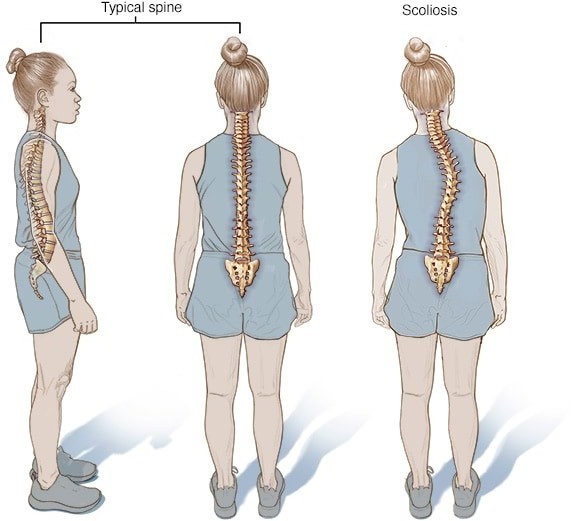
A nurse is planning care for an adolescent who has scoliosis and requires surgical intervention. Which of the following behaviors by the adolescent should the nurse anticipate because it is the most common reaction?
A. Body image changes
Body image changes are the most common reaction for an adolescent who has scoliosis and requires surgical intervention, as scoliosis affects the appearance and shape of the spine and torso. Body image changes can lead to low self-esteem, social isolation, depression, or anxiety.
B. Feelings of displacement
Feelings of displacement are not the most common reaction for an adolescent who has scoliosis and requires surgical intervention, as displacement means feeling out of place or unwanted in a certain situation or environment. Feelings of displacement can occur due to hospitalization, separation from peers or family, or lack of control over one's life.
C. Loss of privacy
Loss of privacy is not the most common reaction for an adolescent who has scoliosis and requires surgical intervention, as loss of privacy means having one's personal information or space exposed or invaded by others. Loss of privacy can occur due to frequent examinations, procedures, or interventions by health care providers or staff.
D. Identity crisis
Identity crisis is not the most common reaction for an adolescent who has scoliosis and requires surgical intervention, as identity crisis means having difficulty or confusion in defining one's self-concept or role in society. Identity crises can occur due to developmental changes, peer pressure, or cultural expectations.
Full Explanation
Choice A: Body image changes are the most common reaction for an adolescent who has scoliosis and requires surgical intervention, as scoliosis affects the appearance and shape of the spine and torso. Body image changes can lead to low self-esteem, social isolation, depression, or anxiety.
Choice B: Feelings of displacement are not the most common reaction for an adolescent who has scoliosis and requires surgical intervention, as displacement means feeling out of place or unwanted in a certain situation or environment. Feelings of displacement can occur due to hospitalization, separation from peers or family, or lack of control over one's life.
Choice C: Loss of privacy is not the most common reaction for an adolescent who has scoliosis and requires surgical intervention, as loss of privacy means having one's personal information or space exposed or invaded by others. Loss of privacy can occur due to frequent examinations, procedures, or interventions by health care providers or staff.
Choice D: Identity crisis is not the most common reaction for an adolescent who has scoliosis and requires surgical intervention, as identity crisis means having difficulty or confusion in defining one's self-concept or role in society. Identity crises can occur due to developmental changes, peer pressure, or cultural expectations.
A nurse is reviewing data for four children. Which of the following children should the nurse assess first?
A. A 10-year-old child who has sickle cell anemia who reports severe chest pain
A 10-year-old child who has sickle cell anemia and reports severe chest pain should be assessed first, as this is a sign of acute chest syndrome, which is a life-threatening complication of sickle cell disease. Acute chest syndrome occurs when sickle-shaped red blood cells block the blood flow to the lungs, causing hypoxia, inflammation, and infection. Acute chest syndrome can lead to respiratory failure, pulmonary hypertension, or stroke.
B. A 7-year-old child who has diabetes insipidus and a urine specific gravity of 1.016
A 7-year-old child who has diabetes insipidus and a urine specific gravity of 1.016 should be assessed second, as this is a sign of dehydration, which is a common complication of diabetes insipidus. Diabetes insipidus is a condition in which the body does not produce enough antidiuretic hormone (ADH) or does not respond to it properly, resulting in excessive urination and thirst. Dehydration can cause electrolyte imbalance, hypotension, or shock.
C. A 4-year-old child who has asthma and an O2 sat of 97%
A 4-year-old child who has asthma and an O2 sat of 97% should be assessed third, as this is a sign of adequate oxygenation, which is a desired outcome of asthma management. Asthma is a condition in which the airways become inflamed, narrow, and produce excess mucus, causing difficulty breathing, wheezing, coughing, or chest tightness. Asthma can be triggered by allergens, irritants, exercise, or infections.
D. A 1-year-old toddler who has roseola and a temperature of 39°C/102.2°F
A 1-year-old toddler who has roseola and a temperature of 39°C/102.2°F should be assessed last, as this is a sign of a mild viral infection, which is self-limiting and usually resolves within a week. Roseola is a common childhood illness that causes a high fever followed by a pink rash on the trunk, face, and limbs. Roseola can also cause irritability, swollen lymph nodes, or mild diarrhea.
Full Explanation
Choice A: A 10-year-old child who has sickle cell anemia and reports severe chest pain should be assessed first, as this is a sign of acute chest syndrome, which is a life-threatening complication of sickle cell disease. Acute chest syndrome occurs when sickle-shaped red blood cells block the blood flow to the lungs, causing hypoxia, inflammation, and infection. Acute chest syndrome can lead to respiratory failure, pulmonary hypertension, or stroke.
Choice B: A 7-year-old child who has diabetes insipidus and a urine specific gravity of 1.016 should be assessed second, as this is a sign of dehydration, which is a common complication of diabetes insipidus. Diabetes insipidus is a condition in which the body does not produce enough antidiuretic hormone (ADH) or does not respond to it properly, resulting in excessive urination and thirst. Dehydration can cause electrolyte imbalance, hypotension, or shock.
Choice C: A 4-year-old child who has asthma and an O2 sat of 97% should be assessed third, as this is a sign of adequate oxygenation, which is a desired outcome of asthma management. Asthma is a condition in which the airways become inflamed, narrow, and produce excess mucus, causing difficulty breathing, wheezing, coughing, or chest tightness. Asthma can be triggered by allergens, irritants, exercise, or infections.
Choice D: A 1-year-old toddler who has roseola and a temperature of 39°C/102.2°F should be assessed last, as this is a sign of a mild viral infection, which is self-limiting and usually resolves within a week. Roseola is a common childhood illness that causes a high fever followed by a pink rash on the trunk, face, and limbs. Roseola can also cause irritability, swollen lymph nodes, or mild diarrhea.