
Nursing practice questions with comprehensive rationales
NurseDive Free Nursing Practice Question
A nurse is presenting discharge instructions to a client who has multiple sclerosis (MS). The client reports symptoms of diplopia, dysmetria, and sensory change. Which of the following nursing statements are appropriate?
A. "Wear an eye patch on the right eye at all times."
A. "Wear an eye patch on the right eye at all times." An eye patch may be recommended alternating between eyes for short periods to relieve diplopia, but wearing it continuously on one eye can lead to eye strain and decreased depth perception.
B. "Implement a schedule to include periods of rest."
B. "Implement a schedule to include periods of rest." Fatigue is a common and debilitating symptom in clients with MS. Scheduling regular rest periods helps prevent overexertion, which can worsen symptoms and increase the risk of relapse.
C. "Engage in a vigorous exercise program."
C. "Engage in a vigorous exercise program." Vigorous exercise may exacerbate MS symptoms, particularly fatigue and heat sensitivity. Instead, a moderate, low-impact exercise program (e.g., swimming, yoga) is more appropriate.
D. "Plan to relax in a hot tub spa each day."
D. "Plan to relax in a hot tub spa each day." Heat can worsen MS symptoms (a phenomenon known as Uhthoff’s sign). Hot environments, such as hot tubs or spas, should be avoided to prevent symptom exacerbation.
This question is an excerpt from Nurse Dive's nursing test bank - Ati med surg adult care 2 proctored exam. Take the full exam now
Full Explanation
A. "Wear an eye patch on the right eye at all times."
An eye patch may be recommended alternating between eyes for short periods to relieve diplopia, but wearing it continuously on one eye can lead to eye strain and decreased depth perception.
B. "Implement a schedule to include periods of rest."
Fatigue is a common and debilitating symptom in clients with MS. Scheduling regular rest periods helps prevent overexertion, which can worsen symptoms and increase the risk of relapse.
C. "Engage in a vigorous exercise program."
Vigorous exercise may exacerbate MS symptoms, particularly fatigue and heat sensitivity. Instead, a moderate, low-impact exercise program (e.g., swimming, yoga) is more appropriate.
D. "Plan to relax in a hot tub spa each day."
Heat can worsen MS symptoms (a phenomenon known as Uhthoff’s sign). Hot environments, such as hot tubs or spas, should be avoided to prevent symptom exacerbation.
Similar Questions
A nurse at a community health clinic is caring for a client who reports a headache and stiff neck. Which of the following actions should the nurse take first?
A. Perform a complete blood count.
Performing a complete blood count is not the priority action for this client, who might have signs of meningitis, a serious infection of the meninges that requires prompt diagnosis andtreatment. This choice is incorrect.
B. Check the client's temperature.
Checking the client's temperature is an important action, but not the first one. The nurse should assess the client's neurological status before taking vital signs to determine the level of consciousness and possible complications of meningitis. This choice is incorrect.
C. Administer an oral analgesic
Administering an oral analgesic is not appropriate for this client, who might have difficulty swallowing or altered mental status due to meningitis. Moreover, this action might mask the symptoms and delay the diagnosis and treatment of the infection. This choice is incorrect.
D. Evaluate the client's neurological status.
Evaluating the client's neurological status is the first and most important action for this client, who has two classic signs of meningitis: headache and stiff neck. The nurse should assess for other signs, such as photophobia, nausea, vomiting, fever, and rash, and report them to the provider immediately. This choice is correct.
A nurse is caring for a client who has a traumatic brain injury. Which of the following findings should the nurse identify as an Indication of Increased Intracranial pressure (ICP)?
A. Tachycardia
Tachycardia is not an indication of increased ICP, but rather a compensatory mechanism to maintain cerebral perfusion pressure in response to elevated ICP. As the ICP rises, the heart ratewill eventually decrease due to increased vagal stimulation from increased intrathoracic pressure. This choice is incorrect.
B. Restlessness
Restlessness is an early sign of increased ICP, indicating decreased cerebral oxygenation and impaired cognition. The nurse should monitor the client's level of consciousness and report any changes to the provider promptly. This choice is correct.
C. Hypotension
Hypotension is not an indication of increased ICP, but rather a sign of shock or hemorrhage that can lead to decreased cerebral perfusion pressure and brain ischemia. The nurse shouldmonitor the client's blood pressure and report any hypotension to the provider immediately. This choice is incorrect.
D. Amnesia
Amnesia is not an indication of increased ICP, but rather a result of brain injury that affects memory and learning. The nurse should assess the client's orientation and recall and provide frequent reminders and cues to enhance memory retention. This choice is incorrect.
After explaining the procedure for an electroencephalograph, which of the following statements by the client indicates teaching was not effective?
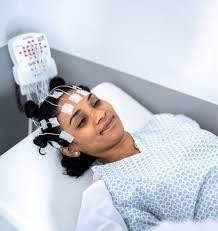
A. Electrodes will be placed on the scalp
Electrodes will be placed on the scalp. This is correct because electrodes are attached to the scalp with adhesive or a cap to record the electrical activity of the brain during anelectroencephalograph.
B. There is a risk of electric shock
There is a risk of electric shock. This is incorrect because there is no risk of electric shock during an electroencephalograph. The electrodes only record the brain waves, they do not send any current to the brain.
C. Antiseizure medications must be withheld
Antiseizure medications must be withheld. This is correct because antiseizure medications can alter the results of an electroencephalograph. The client may need to stop taking them for a few days before the test, depending on the doctor's instructions.
D. Responses to light and noise will be recorded
Responses to light and noise will be recorded. This is correct because someelectroencephalographs involve stimulating the brain with light or sound to see how it reacts. The client may be asked to open and close their eyes, breathe deeply, or listen to noises during the test.