
Nursing practice questions with comprehensive rationales
NurseDive Free Nursing Practice Question
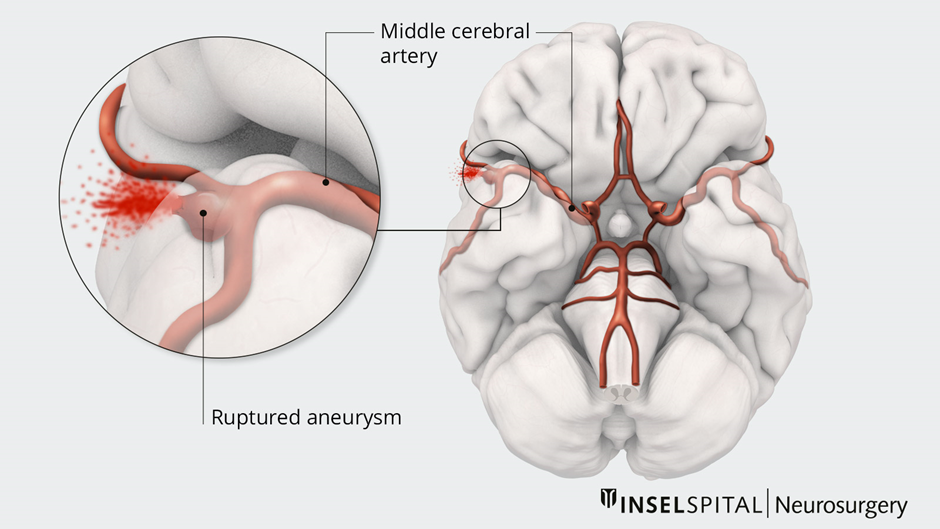
A nurse is providing care for a client who is at risk of cerebral aneurysm rupture. Which of the following interventions should the nurse include in the care plan?
A. Keep lights turned to medium level in the evening.
Keeping lights turned to medium level in the evening is incorrect. This intervention is aimed at reducing environmental stimuli, which may be appropriate for some patients with neurological conditions to minimize sensory overload and promote rest. However, it is not a specific intervention for preventing cerebral aneurysm rupture.
B. Maintain the head of the bed between 30 and 45°.
Maintaining the head of the bed between 30 and 45° is correct. Keeping the head of the bed elevated can help reduce intracranial pressure and decrease the risk of cerebral aneurysm rupture or rebleeding in patients with aneurysmal subarachnoid hemorrhage. This position promotes venous drainage from the brain and helps prevent increases in intracranial pressure.
C. Administer hypotonic intravenous solutions.
Administering hypotonic intravenous solutions is incorrect. Hypotonic intravenous solutions have a lower osmolarity than blood plasma and can lead to cerebral edema, which may exacerbate intracranial pressure and increase the risk of cerebral aneurysm rupture. Isotonic solutions, such as normal saline (0.9% NaCl) or lactated Ringer's solution, are typically preferred for fluid resuscitation and maintenance in patients at risk of cerebral aneurysm rupture.
D. Reposition the client every shift.
Reposition the client every shift is incorrect. Repositioning the client every shift helps prevent complications associated with immobility, such as pressure ulcers, pneumonia, and venous thromboembolism. While important for overall patient care, repositioning alone does not directly address the risk of cerebral aneurysm rupture.
This question is an excerpt from Nurse Dive's nursing test bank - Ati Medical Surgical Proctored Exam 1. Take the full exam now
Full Explanation
Choice A Reason:
Keeping lights turned to medium level in the evening is incorrect. This intervention is aimed at reducing environmental stimuli, which may be appropriate for some patients with neurological conditions to minimize sensory overload and promote rest. However, it is not a specific intervention for preventing cerebral aneurysm rupture.
Choice B Reason:
Maintaining the head of the bed between 30 and 45° is correct. Keeping the head of the bed elevated can help reduce intracranial pressure and decrease the risk of cerebral aneurysm rupture or rebleeding in patients with aneurysmal subarachnoid hemorrhage. This position promotes venous drainage from the brain and helps prevent increases in intracranial pressure.
Choice C Reason:
Administering hypotonic intravenous solutions is incorrect. Hypotonic intravenous solutions have a lower osmolarity than blood plasma and can lead to cerebral edema, which may exacerbate intracranial pressure and increase the risk of cerebral aneurysm rupture. Isotonic solutions, such as normal saline (0.9% NaCl) or lactated Ringer's solution, are typically preferred for fluid resuscitation and maintenance in patients at risk of cerebral aneurysm rupture.
Choice D Reason:
Reposition the client every shift is incorrect. Repositioning the client every shift helps prevent complications associated with immobility, such as pressure ulcers, pneumonia, and venous thromboembolism. While important for overall patient care, repositioning alone does not directly address the risk of cerebral aneurysm rupture.
Similar Questions
A nurse is caring for a client who has a transection of the spinal cord at the level of cervical 7. Which of the following assessment findings should the nurse anticipate?
A. The client has no sensation or movement below the level of the injury.
The client has no sensation or movement below the level of the injury is correct. This is a characteristic finding of a complete spinal cord injury, where there is total loss of sensory and motor function below the level of the injury. This pattern is often seen in injuries involving the cervical spinal cord, such as at the level of C7.
B. The client has some movement but no sensation below the level of the injury.
The client has some movement but no sensation below the level of the injury is incorrect. This finding would be more indicative of an incomplete spinal cord injury, where there is partial preservation of sensory or motor function below the level of the injury. However, with a transection of the spinal cord at C7, it is less likely for the client to have retained movement below the level of injury.
C. The client has some movement and also some sensation below the level of the injury.
The client has some movement and also some sensation below the level of the injury is incorrect. This finding is not typically associated with a spinal cord injury at the level of C7. With a transection of the spinal cord at this level, there is typically complete loss of sensory and motor function below the level of the injury.
D. The client has some sensation but no movement below the level of the Injury.
The client has some sensation but no movement below the level of the injury is incorrect. This finding is more consistent with an incomplete spinal cord injury, where there may be partial preservation of sensory function but no motor function below the level of the injury. However, with a transection of the spinal cord at C7, it is less likely for the client to have retained sensation below the level of injury.
Full Explanation
Choice A Reason:
The client has no sensation or movement below the level of the injury is correct. This is a characteristic finding of a complete spinal cord injury, where there is total loss of sensory and motor function below the level of the injury. This pattern is often seen in injuries involving the cervical spinal cord, such as at the level of C7.
Choice B Reason:
The client has some movement but no sensation below the level of the injury is incorrect. This finding would be more indicative of an incomplete spinal cord injury, where there is partial preservation of sensory or motor function below the level of the injury. However, with a transection of the spinal cord at C7, it is less likely for the client to have retained movement below the level of injury.
Choice C Reason:
The client has some movement and also some sensation below the level of the injury is incorrect. This finding is not typically associated with a spinal cord injury at the level of C7. With a transection of the spinal cord at this level, there is typically complete loss of sensory and motor function below the level of the injury.
Choice D Reason:
The client has some sensation but no movement below the level of the injury is incorrect. This finding is more consistent with an incomplete spinal cord injury, where there may be partial preservation of sensory function but no motor function below the level of the injury. However, with a transection of the spinal cord at C7, it is less likely for the client to have retained sensation below the level of injury.
A nurse is teaching a client who has multiple sclerosis about factors that can worsen their manifestations. Which of the following factors should the nurse include in the teaching?
A. Flying
Flying itself is not typically considered a factor that worsens MS manifestations. However, factors related to flying, such as stress, fatigue, changes in routine, and potential exposure to infections, may contribute to symptom exacerbation in some individuals with MS.
B. Sunbathing
Sunbathing is appropriate. Exposure to excessive heat, such as sunbathing or prolonged exposure to hot weather, can lead to temporary worsening of MS symptoms, a phenomenon known as Uhthoff's phenomenon. Increased body temperature can temporarily impair nerve conduction in individuals with MS, resulting in exacerbation of symptoms such as fatigue, weakness, sensory disturbances, and cognitive impairment.
C. Working in an office
Working in an office is inappropriate. Working in an office environment is not inherently associated with exacerbation of MS manifestations. However, factors such as stress, fatigue, poor ergonomic conditions, and limited mobility during prolonged periods of sitting may contribute to symptom exacerbation in some individuals with MS.
D. High altitude travel
High altitude travel is inappropriate. High altitude travel can exacerbate MS symptoms due to the decreased oxygen levels and potential changes in barometric pressure at high altitudes. Hypoxia (low oxygen levels) at high altitudes may exacerbate fatigue, weakness, and cognitive impairment in individuals with MS. Changes in barometric pressure can also trigger or worsen symptoms such as headaches, sensory disturbances, and balance problems in some individuals with MS.
Full Explanation
Choice A Reason:
Flying itself is not typically considered a factor that worsens MS manifestations. However, factors related to flying, such as stress, fatigue, changes in routine, and potential exposure to infections, may contribute to symptom exacerbation in some individuals with MS.
Choice B Reason:
Sunbathing is appropriate. Exposure to excessive heat, such as sunbathing or prolonged exposure to hot weather, can lead to temporary worsening of MS symptoms, a phenomenon known as Uhthoff's phenomenon. Increased body temperature can temporarily impair nerve conduction in individuals with MS, resulting in exacerbation of symptoms such as fatigue, weakness, sensory disturbances, and cognitive impairment.
Choice C Reason:
Working in an office is inappropriate. Working in an office environment is not inherently associated with exacerbation of MS manifestations. However, factors such as stress, fatigue, poor ergonomic conditions, and limited mobility during prolonged periods of sitting may contribute to symptom exacerbation in some individuals with MS.
Choice D Reason:
High altitude travel is inappropriate. High altitude travel can exacerbate MS symptoms due to the decreased oxygen levels and potential changes in barometric pressure at high altitudes. Hypoxia (low oxygen levels) at high altitudes may exacerbate fatigue, weakness, and cognitive impairment in individuals with MS. Changes in barometric pressure can also trigger or worsen symptoms such as headaches, sensory disturbances, and balance problems in some individuals with MS.
A nurse is caring for a client who has a spinal cord injury at the fourth cervical level. Which of the following mobility options should the nurse anticipate for this client?
A. Manual wheelchair
Manual wheelchair is inappropriate. A manual wheelchair requires the use of the client's upper extremities to propel the wheelchair forward by pushing on the wheels. With a spinal cord injury at the fourth cervical level, the client may have limited or no function in their upper extremities, making it difficult to self-propel a manual wheelchair.
B. Sip-and-puff device
Sip-and-puff device is appropriate. A sip-and-puff device allows individuals with limited or no hand function to control a powered wheelchair using their breath. This device enables the client to navigate the wheelchair by inhaling or exhaling into a straw-like device, which activates controls to move the wheelchair forward, backward, and turn.
C. Drive-adapted wheelchair
Drive-adapted wheelchair is inappropriate. A drive-adapted wheelchair is a powered wheelchair that can be modified with adaptive controls to accommodate individuals with limited hand function or mobility. These wheelchairs may include joystick controls, head arrays, chin controls, or other adaptive devices that allow the client to operate the wheelchair independently despite limited hand function.
D. Ultra-light wheelchairs
Ultra-light wheelchairs is inappropriate. Ultra-light wheelchairs are manual wheelchairs that are lightweight and often customized to fit the client's specific needs and preferences. While ultra-light wheelchairs may offer advantages in terms of maneuverability and ease of transportation, they still require sufficient upper extremity function to self-propel the wheelchair.
Full Explanation
Choice A Reason:
Manual wheelchair is inappropriate. A manual wheelchair requires the use of the client's upper extremities to propel the wheelchair forward by pushing on the wheels. With a spinal cord injury at the fourth cervical level, the client may have limited or no function in their upper extremities, making it difficult to self-propel a manual wheelchair.
Choice B Reason:
Sip-and-puff device is appropriate. A sip-and-puff device allows individuals with limited or no hand function to control a powered wheelchair using their breath. This device enables the client to navigate the wheelchair by inhaling or exhaling into a straw-like device, which activates controls to move the wheelchair forward, backward, and turn.
Choice C Reason:
Drive-adapted wheelchair is inappropriate. A drive-adapted wheelchair is a powered wheelchair that can be modified with adaptive controls to accommodate individuals with limited hand function or mobility. These wheelchairs may include joystick controls, head arrays, chin controls, or other adaptive devices that allow the client to operate the wheelchair independently despite limited hand function.
Choice D Reason:
Ultra-light wheelchairs is inappropriate. Ultra-light wheelchairs are manual wheelchairs that are lightweight and often customized to fit the client's specific needs and preferences. While ultra-light wheelchairs may offer advantages in terms of maneuverability and ease of transportation, they still require sufficient upper extremity function to self-propel the wheelchair.