Nursing practice questions with comprehensive rationales
NurseDive Free Nursing Practice Question
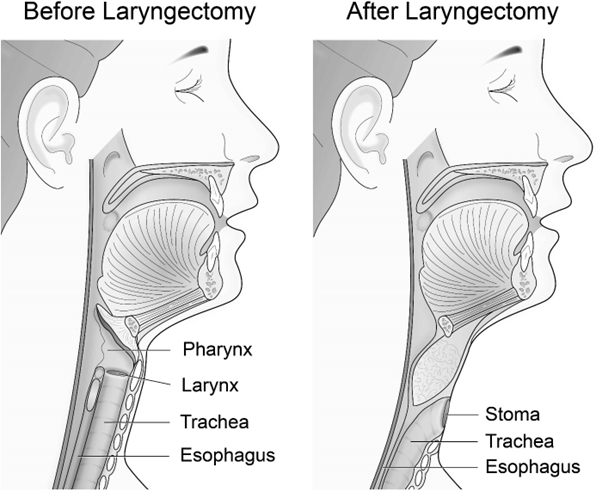
A nurse is providing care for a client who is to undergo a total laryngectomy. Which of the following interventions is the nurse's priority?
A. Explain the techniques of esophageal speech.
Esophageal speech is one method of communication but is learned later through speech therapy. Not the immediate priority.
B. Schedule a support session for the client.
While providing emotional support is important, it is not the immediate priority. The client needs to understand how to communicate effectively after the laryngectomy.
C. Determine the client's reading ability.
After surgery, the client will not be able to speak initially. Knowing if the client can read and write allows the nurse to provide a communication method (such as writing or using a communication board) to meet immediate needs, especially related to airway, pain, and care.
D. Review the use of an artificial larynx with the client.
An electrolarynx is an option but is introduced later in recovery. It is not the immediate concern before surgery.
E. None
None
F. None
None
This question is an excerpt from Nurse Dive's nursing test bank - ATI RN Fundamentals 2019 with NGN - Proctored Exam 2. Take the full exam now
Full Explanation
A. Explain the techniques of esophageal speech. Esophageal speech is one method of communication but is learned later through speech therapy. Not the immediate priority.
B. Schedule a support session for the client. While providing emotional support is important, it is not the immediate priority. The client needs to understand how to communicate effectively after the laryngectomy.
C. Determine the client's reading ability. After surgery, the client will not be able to speak initially. Knowing if the client can read and write allows the nurse to provide a communication method (such as writing or using a communication board) to meet immediate needs, especially related to airway, pain, and care.
D. Review the use of an artificial larynx with the client. An electrolarynx is an option but is introduced later in recovery. It is not the immediate concern before surgery.
Similar Questions
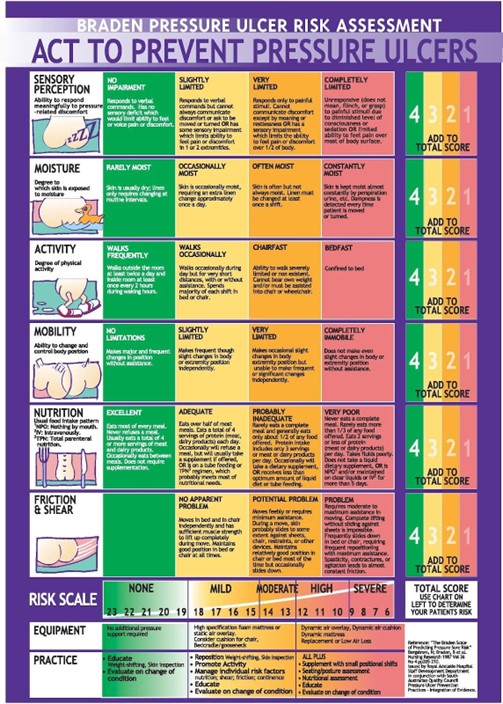
A nurse is teaching a group of newly licensed nurses about the Braden scale. Which of the following responses by a newly licensed nurse indicates an understanding of the teaching?
A. Each element has a range from one to five points.
Option a is incorrect because each element has a range from one to four points.
B. The higher the score, the higher the pressure injury risk.
Option b is incorrect because the lower the score, the higher the pressure injury risk.
C. The scale measures six elements.
The Braden scale measures six elements: sensory perception, moisture, activity, mobility, nutrition, and friction/shear. Each element has a range of one to four points, with a total possible score of 23 points. The lower the score, the higher the risk for pressure injury.
D. The client's age is part of the measurement.
Option d is incorrect because the client's age is not part of the measurement.
Full Explanation
The Braden scale measures six elements: sensory perception, moisture, activity, mobility, nutrition, and friction/shear. Each element has a range of one to four points, with a total possible score of 23 points. The lower the score, the higher the risk for pressure injury.
Option a is incorrect because each element has a range from one to four points.
Option b is incorrect because the lower the score, the higher the pressure injury risk.
Option d is incorrect because the client's age is not part of the measurement.
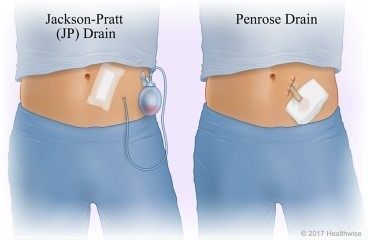
A nurse is completing a dressing change on a client who has a surgical wound drain. Which of the following actions should the nurse take?
A. Use a separate, sterile swab for each stroke when cleaning the wound.
When completing a dressing change on a client who has a surgical wound drain, the nurse should use a separate, sterile swab for each stroke when cleaning the wound. This helps to prevent the spread of infection and ensures that the wound is properly cleaned.
B. First clean the drain site and then clean the incision.
Option b is incorrect because the nurse should first clean the incision and then clean the drain site.
C. Don clean gloves before cleaning the wound.
Option c is incorrect because the nurse should don sterile gloves before cleaning the wound.
D. Cut a 4 x 4 piece of gauze to place around the drain site.
Option d is incorrect because the nurse should not cut a 4 x 4 piece of gauze to place around the drain site; instead, the nurse should use a pre-cut drain sponge.
Full Explanation
When completing a dressing change on a client who has a surgical wound drain, the nurse should use a separate, sterile swab for each stroke when cleaning the wound. This helps to prevent the spread of infection and ensures that the wound is properly cleaned.
Option b is incorrect because the nurse should first clean the incision and then clean the drain site.
Option c is incorrect because the nurse should don sterile gloves before cleaning the wound.
Option d is incorrect because the nurse should not cut a 4 x 4 piece of gauze to place around the drain site; instead, the nurse should use a pre-cut drain sponge.
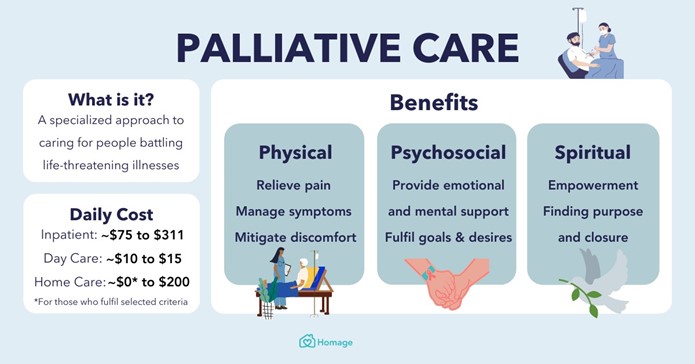
A nurse is providing end-of-life care for a client. Which of the following actions should the nurse take?
A. Encourage the client to make choices regarding hygiene.
When providing end-of-life care for a client, the nurse should encourage the client to make choices regarding their hygiene. This allows the client to have some control over their care and can help them feel more comfortable.
B. Offer the client sips of a citrus flavored soda.
Option b is incorrect because offering the client sips of a citrus flavored soda may not be appropriate for all clients and should be based on individual preferences and needs.
C. Position the client supine in bed.
Option c is incorrect because positioning the client supine in bed may not be comfortable for all clients and should be based on individual preferences and needs.
D. Suction the client's airway every hour.
Option d is incorrect because suctioning the client's airway every hour may not be necessary and should be based on individual needs.
Full Explanation
When providing end-of-life care for a client, the nurse should encourage the client to make choices regarding their hygiene. This allows the client to have some control over their care and can help them feel more comfortable.
Option b is incorrect because offering the client sips of a citrus flavored soda may not be appropriate for all clients and should be based on individual preferences and needs.
Option c is incorrect because positioning the client supine in bed may not be comfortable for all clients and should be based on individual preferences and needs.
Option d is incorrect because suctioning the client's airway every hour may not be necessary and should be based on individual needs.