
Nursing practice questions with comprehensive rationales
NurseDive Free Nursing Practice Question
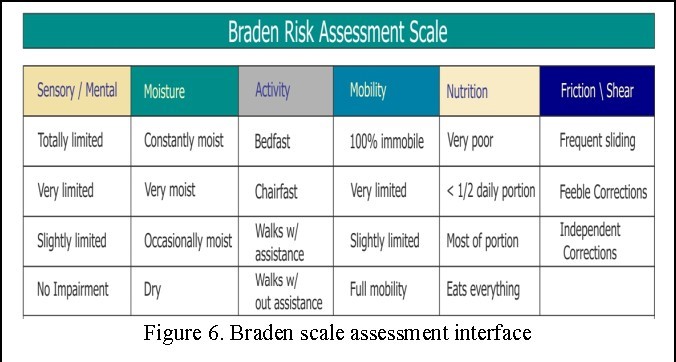
A nurse is teaching a group of newly licensed nurses about the Braden scale.
Which of the following responses by a newly licensed nurse indicates an understanding of the teaching?
A. "The higher the score, the higher the pressure injury risk.".
The lower the score on the Braden scale, the higher the risk for pressure injury.
B. "Each element has a range from one to five points.".
Each element has a range from one to four points, except for friction/shear which has a range from one to three points.
C. "The scale measures six elements.".
The Braden scale measures six elements: sensory perception, moisture, activity, mobility, nutrition, and friction/shear.
D. "The client's age is part of the measurement.".
Age is not one of the elements measured by the Braden scale.
This question is an excerpt from Nurse Dive's nursing test bank - ATI RN Fundamentals 2019 with NGN Proctored Exam. Take the full exam now
Full Explanation
The Braden scale measures six elements: sensory perception, moisture, activity, mobility, nutrition, and friction/shear.
“The higher the score, the higher the pressure injury risk”: This statement is incorrect.
The lower the score on the Braden scale, the higher the risk for pressure injury.
“Each element has a range from one to five points”: This statement is incorrect.
Each element has a range from one to four points, except for friction/shear which has a range from one to three points.
“The client’s age is part of the measurement”: This statement is incorrect. Age is not one of the elements measured by the Braden scale.
Similar Questions
A nurse is planning care for a female client who has an indwelling urinary catheter.
Which of the following actions should the nurse include in the plan?
A. Tape the catheter to the lower abdomen.
The catheter should be secured to the outer side of the thigh, not taped to the lower abdomen 2.
B. Attach the drainage bag to the side rails of the bed.
Attaching the drainage bag to the side rails of the bed can cause it to be above the level of the bladder.
C. Empty the drainage bag when it is three-quarters full.
It is important to empty the drainage bag regularly, not just when it is three-quarters full.
D. Keep the drainage bag below the level of the bladder.
This is important to prevent urine from flowing back into the bladder, which can cause infection 1.
Full Explanation
This is important to prevent urine from flowing back into the bladder, which can cause infection 1.
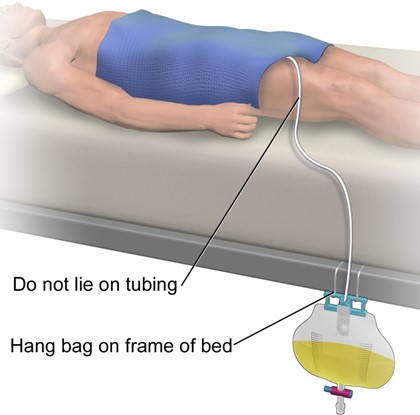
Choice A is incorrect because the catheter should be secured to the outer side of the thigh, not taped to the lower abdomen 2.
Choice B is incorrect because attaching the drainage bag to the side rails of the bed can cause it to be above the level of the bladder.
Choice C is incorrect because it is important to empty the drainage bag regularly, not just when it is three-quarters full.
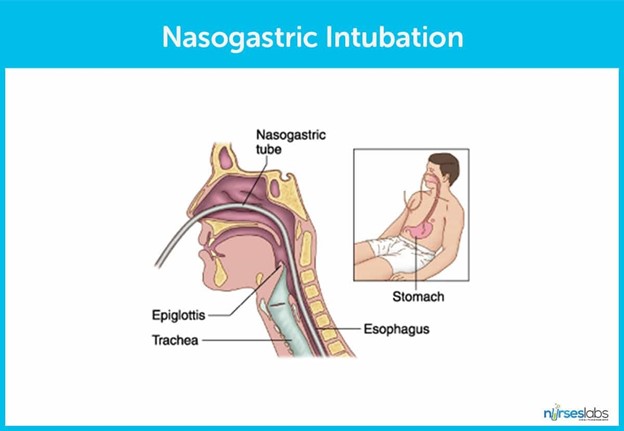
A nurse is caring for a client who is receiving continuous enteral feeding via NG tube.
Which of the following is an unexpected finding?
A. Gastric residual of 300 mL at the end of the shift.
Gastric residual of 300 mL at the end of the shift is an unexpected finding. Gastric residual volume refers to the volume of fluid remaining in the stomach during enteral feeding. A gastric residual volume of less than or equal to 500 mL every 6 hours is considered safe and indicates that the gastrointestinal tract is functioning.
B. Weight gain of 0.91 kg (2 Ib) in 2 days.
Choice B is wrong because weight gain is expected during enteral feeding.
C. Blood glucose level of 110 mg/dL.
Choice C is wrong because a blood glucose level of 110 mg/dL is within the normal range.
D. Diarrhea one time in a 24-hr period.
Choice D is wrong because diarrhea can be a common side effect of enteral feeding.
Full Explanation
Gastric residual of 300 mL at the end of the shift is an unexpected finding.
Gastric residual volume refers to the volume of fluid remaining in the stomach during enteral feeding.
A gastric residual volume of less than or equal to 500 mL every 6 hours is considered safe and indicates that the gastrointestinal tract is functioning.
Choice B is wrong because weight gain is expected during enteral feeding.
Choice C is wrong because a blood glucose level of 110 mg/dL is within the normal range.
Choice D is wrong because diarrhea can be a common side effect of enteral feeding.
A nurse is caring for a client who has a tracheostomy.
Which of the following actions should the nurse take?
A. Secure the tracheostomy ties to allow one finger to fit snugly underneath.
This is important to ensure that the tracheostomy tube is secure and in place.
B. Cleanse the skin around the stoma with normal saline.
Choice B is wrong because normal saline is not typically used to cleanse the skin around the stoma.
C. Soak the outer cannula in warm, soapy tap water.
Choice C is wrong because soaking the outer cannula in warm, soapy tap water is not a recommended method of cleaning.
D. Use a cotton tip applicator to clean inside the inner cannula.
Choice D is wrong because a cotton tip applicator should not be used to clean inside the inner cannula.
Full Explanation
Secure the tracheostomy ties to allow one finger to fit snugly underneath. This is important to ensure that the tracheostomy tube is secure and in place.
Choice B is wrong because normal saline is not typically used to cleanse the skin around the stoma.
Choice C is wrong because soaking the outer cannula in warm, soapy tap water is not a recommended method of cleaning.
Choice D is wrong because a cotton tip applicator should not be used to clean inside the inner cannula.