
Nursing practice questions with comprehensive rationales
NurseDive Free Nursing Practice Question
A nurse is providing discharge education to a client diagnosed with fluid volume excess (FVE) due to liver failure. Which of the following meal options should the nurse recommend for the client?
A. Canned soup
Canned soup is typically high in sodium, which can worsen fluid volume excess (FVE). Patients with liver failure need to limit sodium intake to reduce fluid retention.
B. Baked chicken breast
Baked chicken breast is a low-sodium and protein-rich option suitable for clients with liver failure. Protein is essential for tissue repair and maintaining fluid balance within the body.
C. Bowl of ice cream
A bowl of ice cream is high in sugar and fat, which can be difficult for a liver-compromised patient to process and may contribute to further fluid retention.
D. Spaghetti with commercial red sauce
Spaghetti with commercial red sauce can be high in sodium due to the sauce, which is not recommended for clients with FVE as it may exacerbate their condition.
This question is an excerpt from Nurse Dive's nursing test bank - Ati Med Surg Proctored Exam Midterm Rn 36 1125. Take the full exam now
Full Explanation
Choice A rationale
Canned soup is typically high in sodium, which can worsen fluid volume excess (FVE). Patients with liver failure need to limit sodium intake to reduce fluid retention.
Choice B rationale
Baked chicken breast is a low-sodium and protein-rich option suitable for clients with liver failure. Protein is essential for tissue repair and maintaining fluid balance within the body.
Choice C rationale
A bowl of ice cream is high in sugar and fat, which can be difficult for a liver-compromised patient to process and may contribute to further fluid retention.
Choice D rationale
Spaghetti with commercial red sauce can be high in sodium due to the sauce, which is not recommended for clients with FVE as it may exacerbate their condition.
Similar Questions
A nurse is teaching a client who has peripheral venous disease about the management of symptoms. Which of the following client statements indicates an understanding of the teaching?
A. "I will need to massage my legs frequently to prevent a buildup of fluid."
Massaging the legs frequently is not recommended for peripheral venous disease as it can dislodge clots that may be present, leading to serious complications.
B. "I will keep my legs in a dependent position."
Keeping the legs in a dependent position can worsen the symptoms of peripheral venous disease by increasing venous pressure and swelling.
C. "I will inspect my legs every day for changes in color, size, and temperature."
Inspecting the legs daily for changes is a key part of self-management for peripheral venous disease. It helps in early detection of potential complications.
D. "I will decrease my activity to prevent added stress on my legs."
Decreasing activity is not advised unless specified by a healthcare provider. Regular activity can actually help improve circulation and manage symptoms.
Full Explanation
Choice A rationale
Massaging the legs frequently is not recommended for peripheral venous disease as it can dislodge clots that may be present, leading to serious complications.
Choice B rationale
Keeping the legs in a dependent position can worsen the symptoms of peripheral venous disease by increasing venous pressure and swelling.
Choice C rationale
Inspecting the legs daily for changes is a key part of self-management for peripheral venous disease. It helps in early detection of potential complications.
Choice D rationale
Decreasing activity is not advised unless specified by a healthcare provider. Regular activity can actually help improve circulation and manage symptoms.
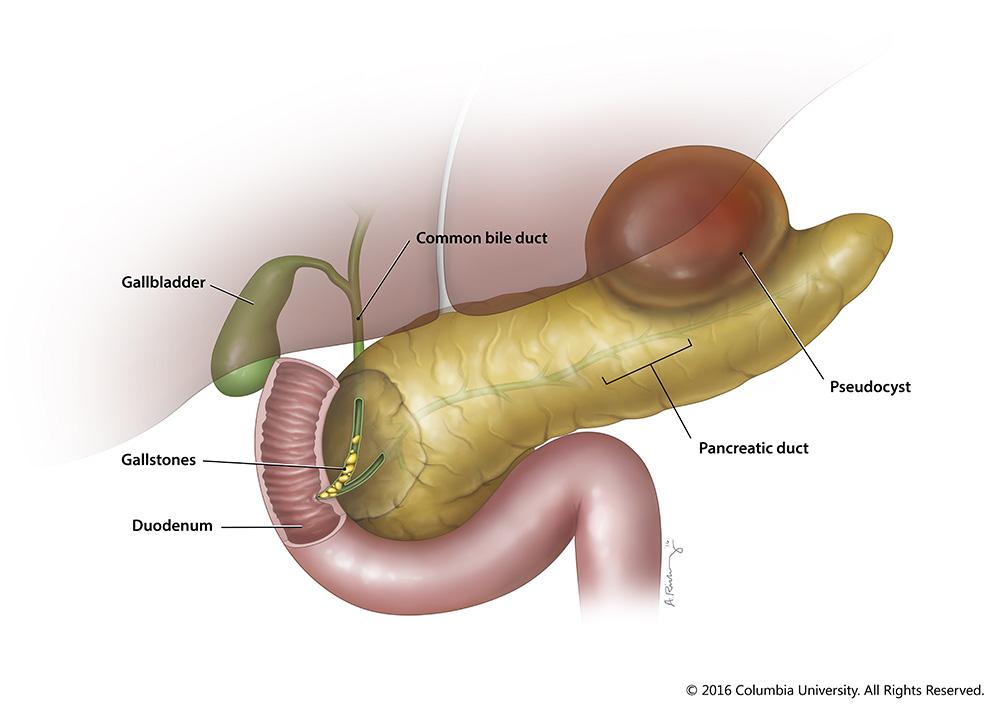
Which finding in the patient's history increases the risk for acute pancreatitis?
A. Congestive heart failure
Congestive heart failure is not directly associated with an increased risk of developing acute pancreatitis. While it can contribute to overall health deterioration, it does not cause the condition.
B. Emphysema
Emphysema primarily affects the lungs and does not increase the risk of acute pancreatitis. It is a chronic obstructive pulmonary disease and is unrelated to pancreatic function.
C. Alcohol abuse
Alcohol abuse is a well-known risk factor for acute pancreatitis. It can lead to repeated episodes of inflammation in the pancreas, which can eventually become chronic and lead to acute pancreatitis.
D. Diabetes mellitus
Diabetes mellitus is a result of chronic pancreatitis or can be a comorbidity, but it is not a direct cause of acute pancreatitis. However, it can be associated with complications related to the pancreas.
Full Explanation
Choice A rationale
Congestive heart failure is not directly associated with an increased risk of developing acute pancreatitis. While it can contribute to overall health deterioration, it does not cause the condition.
Choice B rationale
Emphysema primarily affects the lungs and does not increase the risk of acute pancreatitis. It is a chronic obstructive pulmonary disease and is unrelated to pancreatic function.
Choice C rationale
Alcohol abuse is a well-known risk factor for acute pancreatitis. It can lead to repeated episodes of inflammation in the pancreas, which can eventually become chronic and lead to acute pancreatitis.
Choice D rationale
Diabetes mellitus is a result of chronic pancreatitis or can be a comorbidity, but it is not a direct cause of acute pancreatitis. However, it can be associated with complications related to the pancreas.
What should the nurse ask the patient about to determine possible causes of acute glomerulonephritis?
A. History of high blood pressure
A history of high blood pressure is a risk factor for chronic kidney disease but not specifically for acute glomerulonephritis. Acute glomerulonephritis is more commonly associated with infections.
B. Recent sore throat and fever
A recent sore throat and fever, especially if caused by a streptococcal infection, can lead to post-streptococcal glomerulonephritis. This is a well-documented cause of acute glomerulonephritis, making it the correct answer.
C. Recent bladder infection
While bladder infections can lead to urinary tract infections, they are not typically associated with acute glomerulonephritis. This condition is more commonly related to infections that can cause a systemic immune response.
D. History of kidney stones
A history of kidney stones is associated with chronic kidney issues and can lead to infections, but it is not a direct cause of acute glomerulonephritis. This condition is usually caused by an immune response to an infection elsewhere in the body.
Full Explanation
Choice A rationale
A history of high blood pressure is a risk factor for chronic kidney disease but not specifically for acute glomerulonephritis. Acute glomerulonephritis is more commonly associated with infections.
Choice B rationale
A recent sore throat and fever, especially if caused by a streptococcal infection, can lead to post-streptococcal glomerulonephritis. This is a well-documented cause of acute glomerulonephritis, making it the correct answer.
Choice C rationale
While bladder infections can lead to urinary tract infections, they are not typically associated with acute glomerulonephritis. This condition is more commonly related to infections that can cause a systemic immune response.
Choice D rationale
A history of kidney stones is associated with chronic kidney issues and can lead to infections, but it is not a direct cause of acute glomerulonephritis. This condition is usually caused by an immune response to an infection elsewhere in the body.