Nursing practice questions with comprehensive rationales
NurseDive Free Nursing Practice Question
A nurse is providing discharge teaching about lymphedema prevention to a client who is 2 days postoperative following a modified radical mastectomy. Which of the following instructions should the nurse include?
A. Apply lotion to the incisional site twice daily.
Applying lotion to the incisional site may not be recommended as it could potentially irritate the incision or interfere with wound healing.
B. Avoid measuring blood pressure on the affected arm.
Avoiding blood pressure measurements on the affected arm is important to prevent compromising lymphatic flow and potentially exacerbating lymphedema, a common complication after a modified radical mastectomy.
C. Apply deodorant under the affected arm daily.
Applying deodorant under the affected arm is discouraged, as it may contain chemicals that could irritate the surgical area.
D. Avoid lifting objects greater than 5.4 kg (12 lb).
While lifting heavy objects is generally discouraged after surgery, the specific weight mentioned (5.4 kg or 12 lb) is not consistently supported as a limitation in post- mastectomy care.
This question is an excerpt from Nurse Dive's nursing test bank - RN ati Concept-based assessment level proctored exam. Take the full exam now
Full Explanation
Choice A rationale:
Applying lotion to the incisional site may not be recommended as it could potentially irritate the incision or interfere with wound healing.
Choice B rationale:
Avoiding blood pressure measurements on the affected arm is important to prevent compromising lymphatic flow and potentially exacerbating lymphedema, a common complication after a modified radical mastectomy.
Choice C rationale:
Applying deodorant under the affected arm is discouraged, as it may contain chemicals that could irritate the surgical area.
Choice D rationale:
While lifting heavy objects is generally discouraged after surgery, the specific weight mentioned (5.4 kg or 12 lb) is not consistently supported as a limitation in post- mastectomy care.
Similar Questions
A nurse is teaching a female client who has obesity about a new prescription for phentermine/topiramate. Which of the following client statements indicates an understanding of the teaching?
A. "I might experience drowsiness while taking this medication."
Drowsiness is not a common side effect of phentermine/topiramate.
B. "This medication can cause an irregular menstrual cycle."
An irregular menstrual cycle is not a common side effect of phentermine/topiramate.
C. "I should not become pregnant while taking this medication."
Phentermine/topiramate is a medication used to assist with weight loss. Topiramate, one of the components of this medication, can increase the risk of birth defects if taken during pregnancy. Therefore, it is important for women of childbearing age to avoid becoming pregnant while on this medication and to use effective contraception.
D. This medication will cause me to have loose stools."
Loose stools are a potential side effect of phentermine/topiramate, but this statement does not necessarily indicate an understanding of the medication's purpose and precautions.
Full Explanation
Choice A rationale:
Drowsiness is not a common side effect of phentermine/topiramate.
Choice B rationale:
An irregular menstrual cycle is not a common side effect of phentermine/topiramate.
Choice C rationale:
Phentermine/topiramate is a medication used to assist with weight loss. Topiramate, one of the components of this medication, can increase the risk of birth defects if taken during pregnancy. Therefore, it is important for women of childbearing age to avoid becoming pregnant while on this medication and to use effective contraception.
Choice D rationale:
Loose stools are a potential side effect of phentermine/topiramate, but this statement does not necessarily indicate an understanding of the medication's purpose and precautions.
A nurse is planning an educational program about various herbal supplements for middle- aged women related to menopause. Which of the following supplements should the nurse plan to include and discuss?
A. Comfrey
Comfrey is not commonly recommended as an herbal supplement for menopausal symptoms. It has been associated with potential liver toxicity.
B. Gingko biloba
Ginkgo biloba is often used to improve cognitive function and circulation but is not typically used to address menopausal symptoms.
C. Black cohosh
Black cohosh is an herbal supplement that is commonly used by middle-aged women to help alleviate symptoms related to menopause, such as hot flashes and mood swings. Black cohosh may also have some benefits for bone health and cardiovascular health. However, black cohosh may also have some side effects and interactions with other medications, so the nurse should advise the women to consult their health care providers before taking it.
D. Garlic
Garlic is not typically used as an herbal supplement to manage menopausal symptoms; it is more commonly known for its potential cardiovascular benefits.
Full Explanation
Choice A rationale:
Comfrey is not commonly recommended as an herbal supplement for menopausal symptoms. It has been associated with potential liver toxicity.
Choice B rationale:
Ginkgo biloba is often used to improve cognitive function and circulation but is not typically used to address menopausal symptoms.
Choice C rationale:
Black cohosh is an herbal supplement that is commonly used by middle-aged women to help alleviate symptoms related to menopause, such as hot flashes and mood swings. Black cohosh may also have some benefits for bone health and cardiovascular health. However, black cohosh may also have some side effects and interactions with other medications, so the nurse should advise the women to consult their health care providers before taking it.
Choice D rationale:
Garlic is not typically used as an herbal supplement to manage menopausal symptoms; it is more commonly known for its potential cardiovascular benefits.
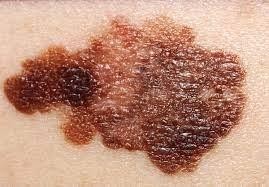
A nurse is providing teaching to a client who has melanoma. Which of the following information should the nurse include?
A. Radiation therapy is the primary method of treatment for melanoma.
Radiation therapy is not typically the primary method of treatment for melanoma. Surgical excision and other therapies are often utilized.
B. Metastasis occurs in the deeper levels of skin tissue before it extends outward.
Metastasis in melanoma generally occurs from the outer layers of the skin to deeper levels and eventually to other parts of the body.
C. There are no specific genetic mutations that cause melanoma.
Specific genetic mutations, such as mutations in the BRAF gene, are associated with an increased risk of developing melanoma.
D. Melanoma is highly metastatic and requires early diagnosis and treatment.
Melanoma is a highly metastatic form of skin cancer that can spread quickly to other parts of the body. Early diagnosis and treatment are crucial to improve outcomes.
Full Explanation
Choice A rationale:
Radiation therapy is not typically the primary method of treatment for melanoma. Surgical excision and other therapies are often utilized.
Choice B rationale:
Metastasis in melanoma generally occurs from the outer layers of the skin to deeper levels and eventually to other parts of the body.
Choice C rationale:
Specific genetic mutations, such as mutations in the BRAF gene, are associated with an increased risk of developing melanoma.
Choice D rationale: Melanoma is a highly metastatic form of skin cancer that can spread quickly to other parts of the body. Early diagnosis and treatment are crucial to improve outcomes.