Nursing practice questions with comprehensive rationales
NurseDive Free Nursing Practice Question
A nurse is providing discharge teaching to a client who has bipolar disorder and will be discharged with a prescription for lithium. The nurse could teach the client which of the following factors puts her at risk for lithium toxicity?
A. A client runs 4 miles outdoors every afternoon.
Lithium is excreted through the kidneys, and dehydration and sodium depletion increase the risk of lithium toxicity. A client who runs 4 miles outdoors every afternoon is at risk of excessive sweating and fluid loss, which can lead to dehydration and sodium depletion. This reduces lithium excretion, leading to toxic levels in the blood.
B. The client eats 2 to 3 gm of sodium-containing foods daily.
A normal sodium intake helps maintain lithium balance. A low sodium intake increases lithium retention, but 2-3 grams/day is within the normal recommended range.
C. The client drinks 2 liters of liquids daily.
Adequate hydration helps prevent lithium toxicity. Clients on lithium should drink 2–3 liters of fluid daily to promote kidney function and lithium excretion.
D. The client eats foods high in tyramine.
Tyramine-rich foods (e.g., aged cheese, cured meats) are a concern for clients on monoamine oxidase inhibitors (MAOIs), not lithium. Tyramine does not affect lithium levels.
This question is an excerpt from Nurse Dive's nursing test bank - ATI Mental Health Proctored Exam. Take the full exam now
Full Explanation
A. Lithium is excreted through the kidneys, and dehydration and sodium depletion increase the risk of lithium toxicity. A client who runs 4 miles outdoors every afternoon is at risk of excessive sweating and fluid loss, which can lead to dehydration and sodium depletion. This reduces lithium excretion, leading to toxic levels in the blood.
B. A normal sodium intake helps maintain lithium balance. A low sodium intake increases lithium retention, but 2-3 grams/day is within the normal recommended range.
C. Adequate hydration helps prevent lithium toxicity. Clients on lithium should drink 2–3 liters of fluid daily to promote kidney function and lithium excretion.
D. Tyramine-rich foods (e.g., aged cheese, cured meats) are a concern for clients on monoamine oxidase inhibitors (MAOIs), not lithium. Tyramine does not affect lithium levels.
Similar Questions
A nurse is making a home visit to a client who has Alzheimer's disease and the client's partner. Which of the following observations indicates to the nurse that the partner is experiencing caregiver role strain?
A. The partner has placed locks at the top of the doors leading to the outside.
Placing locks at the top of doors leading outside is a safety measure to prevent the person with Alzheimer's disease from wandering or getting lost. While this does show that the partner is taking proactive steps to ensure the client's safety, it is not necessarily indicative of caregiver role strain.
B. The partner has hired a house cleaner.
Hiring a house cleaner can be a sign of caregiver role strain. Caregivers often become overwhelmed with the responsibilities of caring for a person with Alzheimer's disease, and hiring help for household tasks can be an indication that they are finding it challenging to manage everything on their own.
C. The partner has lost 20 lb in the past 2 months.
The partner has lost 20 lb in the past 2 months: Explanation: Rapid weight loss can be a sign of caregiver stress or burnout. The emotional and physical demands of caring for a loved one with Alzheimer's disease can lead to neglect of one's own well-being, including proper nutrition and self-care.
D. The partner redirects the client when the client is frustrated.
While redirecting the client when they're frustrated shows that the partner is using appropriate strategies to manage challenging behaviors associated with Alzheimer's disease, this observation doesn't necessarily indicate caregiver role strain.
Full Explanation
A. The partner has placed locks at the top of the doors leading to the outside:
Explanation: Placing locks at the top of doors leading outside is a safety measure to prevent the person with Alzheimer's disease from wandering or getting lost. While this does show that the partner is taking proactive steps to ensure the client's safety, it is not necessarily indicative of caregiver role strain.
B. The partner has hired a house cleaner:
Explanation: Hiring a house cleaner can be a sign of caregiver role strain. Caregivers often become overwhelmed with the responsibilities of caring for a person with Alzheimer's disease, and hiring help for household tasks can be an indication that they are finding it challenging to manage everything on their own.
C. The partner has lost 20 lb in the past 2 months:
Explanation: Rapid weight loss can be a sign of caregiver stress or burnout. The emotional and physical demands of caring for a loved one with Alzheimer's disease can lead to neglect of one's own well-being, including proper nutrition and self-care.
D. The partner redirects the client when the client is frustrated:
Explanation: While redirecting the client when they're frustrated shows that the partner is using appropriate strategies to manage challenging behaviors associated with Alzheimer's disease, this observation doesn't necessarily indicate caregiver role strain.
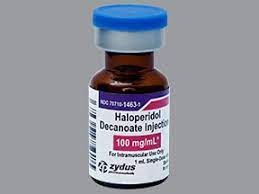
A nurse is preparing to administer haloperidol 75 mg IM per week. Available is haloperidol decanoate 100mg/ml for injection. How many ml should the nurse administer per dose? (Round the answer to the nearest hundredth. Use a leading zero if it applies.
Full Explanation
To calculate the volume (ml) of haloperidol decanoate needed for a dose of 75 mg, you can use the following formula:
Volume (ml) = Dose (mg) / Concentration (mg/ml)
Given:
Dose = 75 mg
Concentration = 100 mg/ml
Plugging in the values:
Volume (ml) = 75 mg / 100 mg/ml
Volume (ml) = 0.75 ml
Rounding to the nearest hundredth:
Volume (ml) = 0.75 ml
So, the nurse should administer 0.75 ml of haloperidol decanoate for the dose of 75 mg.
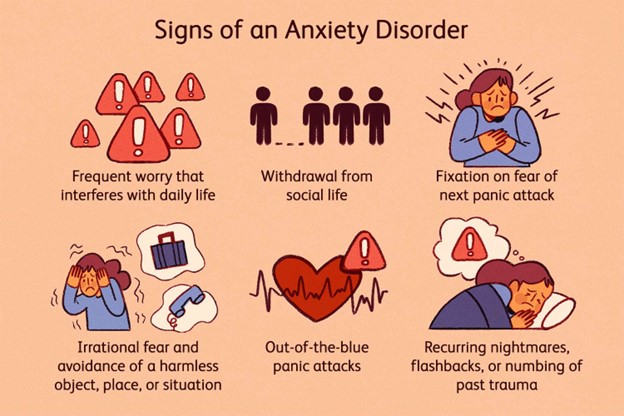
A nurse is caring for a young adult client who says he is experiencing increased anxiety and an inability to concentrate. Which of the following responses should the nurse make?
A. "How long has this been going on?"
While this question is important for gathering more information, it may come across as more investigative or less empathetic at this initial stage of the conversation.
B. "Why do you think you are so anxious?"
While it's important to understand the client's perspective, this response might come across as confrontational or judgmental. It's better to create an open and non-judgmental environment for the client to share their feelings.
C. "Have you talked to your parents about this yet?"
This response assumes that the client has parents to talk to and may not be relevant for all clients. It's also important to establish trust and rapport with the client before asking about their support network.
D. "It sounds like you're having a difficult time."
This response is empathetic and validating. It acknowledges the client's feelings without making assumptions or demands, creating a supportive environment for further discussion.
Full Explanation
A. "How long has this been going on?":
While this question is important for gathering more information, it may come across as more investigative or less empathetic at this initial stage of the conversation.
B. "Why do you think you are so anxious?":
While it's important to understand the client's perspective, this response might come across as confrontational or judgmental. It's better to create an open and non-judgmental environment for the client to share their feelings.
C. "Have you talked to your parents about this yet?":
This response assumes that the client has parents to talk to and may not be relevant for all clients. It's also important to establish trust and rapport with the client before asking about their support network.
D. "It sounds like you're having a difficult time.":
This response is empathetic and validating. It acknowledges the client's feelings without making assumptions or demands, creating a supportive environment for further discussion.