
Nursing practice questions with comprehensive rationales
NurseDive Free Nursing Practice Question
A nurse is providing teaching about a gluten-free diet to a client who has celiac disease. Which of the following foods should the nurse recommend the client include in his diet?
A. Wheat germ
Wheat germ: Wheat germ is derived from wheat and contains gluten. Therefore, it should be avoided by individuals with celiac disease.
B. Corn
Corn: Corn is a gluten-free grain and can be included in a gluten-free diet for individuals with celiac disease.
C. Salami
Salami: Salami is a processed meat product that may contain gluten-containing additives or fillers. Therefore, it is important for individuals with celiac disease to carefully read the ingredient labels of processed meat products or opt for certified gluten-free alternatives.
D. Barley
Barley: Barley is a gluten-containing grain and should be strictly avoided by individuals with celiac disease.
This question is an excerpt from Nurse Dive's nursing test bank - ATI RN Nutrition 2019 Proctored Exam. Take the full exam now
Full Explanation
Corn: Corn is a gluten-free grain and can be included in a gluten-free diet for individuals with celiac disease.
Wheat germ: Wheat germ is derived from wheat and contains gluten. Therefore, it should be avoided by individuals with celiac disease.
Salami: Salami is a processed meat product that may contain gluten-containing additives or fillers. Therefore, it is important for individuals with celiac disease to carefully read the ingredient labels of processed meat products or opt for certified gluten-free alternatives.
Barley: Barley is a gluten-containing grain and should be strictly avoided by individuals with celiac disease.
It is important for individuals with celiac disease to carefully read food labels and select gluten-free alternatives. Gluten-containing grains and their derivatives, such as wheat, barley, and wheat germ, should be avoided. Safe alternatives, such as corn, rice, quinoa, and Gluten-free oats, can be included in the diet.
Similar Questions
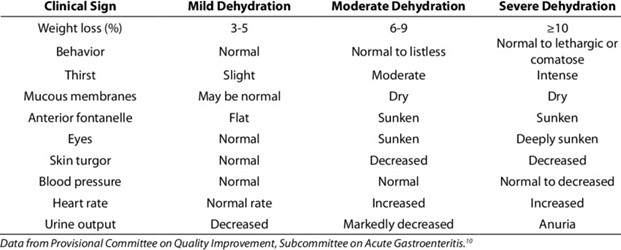
A nurse is assessing a client who is postoperative and has an indwelling urinary catheter. Which of the following findings indicates that the client is experiencing dehydration?
A. BUN 15 mg/dL
BUN 15 mg/dL: Blood urea nitrogen (BUN) is a laboratory value that reflects the amount of urea nitrogen in the blood and can be used to assess kidney function and hydration status. A BUN level of 15 mg/dL falls within the normal range, indicating that the client's kidneys are adequately removing urea from the blood. However, it does not provide definitive information about hydration status on its own.
B. Blood pressure 150/82 mm Hg
Blood pressure 150/82 mm Hg: The blood pressure reading of 150/82 mm Hg does not provide specific information about hydration status. It is important to consider the client's baseline blood pressure, medical history, and other factors when interpreting blood pressure readings.
C. Urine specific gravity 1.010
Urine specific gravity 1.010: A urine specific gravity of 1.010 falls within the normal range and does not indicate dehydration. It suggests that the concentration of solutes in the urine is within the expected range.
D. Urine output of 20 mL/hr
A urine output of 20 mL/hr is considered to be low and suggests decreased fluid intake or fluid loss. In a postoperative client with an indwelling urinary catheter, a low urine output may indicate dehydration, especially if the client is not receiving adequate fluids or experiencing excessive fluid loss.
Full Explanation
A urine output of 20 mL/hr is considered to be low and suggests decreased fluid intake or fluid loss. In a postoperative client with an indwelling urinary catheter, a low urine output may indicate dehydration, especially if the client is not receiving adequate fluids or experiencing excessive fluid loss.
BUN 15 mg/dL: Blood urea nitrogen (BUN) is a laboratory value that reflects the amount of urea nitrogen in the blood and can be used to assess kidney function and hydration status. A BUN level of 15 mg/dL falls within the normal range, indicating that the client's kidneys are adequately removing urea from the blood. However, it does not provide definitive information about hydration status on its own.
Blood pressure 150/82 mm Hg: The blood pressure reading of 150/82 mm Hg does not provide specific information about hydration status. It is important to consider the client's baseline blood pressure, medical history, and other factors when interpreting blood pressure readings.
Urine specific gravity 1.010: A urine specific gravity of 1.010 falls within the normal range and does not indicate dehydration. It suggests that the concentration of solutes in the urine is within the expected range.
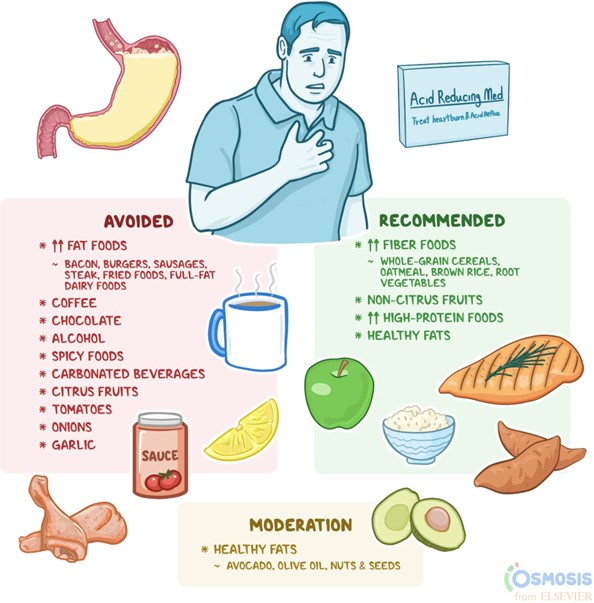
A nurse is caring for a client who reports manifestations of gastroesophageal reflux disease (GERD). Which of the following client statements should the nurse identify as a contributing factor to GERD?
A. "I like to drink a glass of warm milk before bed to help me sleep."
The nurse should identify the statement "I like to drink a glass of warm milk before bed to help me sleep" as a contributing factor to gastroesophageal reflux disease (GERD). Consuming a glass of warm milk before bed can worsen GERD symptoms due to its high-fat content. High-fat foods, including dairy products, can relax the lower esophageal sphincter (LES) and delay gastric emptying, allowing stomach acid to flow back into the esophagus, leading to symptoms of GERD.
B. "I try to follow a low-fat, high-protein diet to help me maintain my weight."
"I try to follow a low-fat, high-protein diet to help me maintain my weight": Following a low-fat, high-protein diet is actually beneficial for managing GERD. High-fat foods can worsen GERD symptoms by relaxing the LES and delaying gastric emptying, while a low-fat diet can help reduce symptoms.
C. "I stopped drinking caffeinated beverages several weeks ago."
"I stopped drinking caffeinated beverages several weeks ago": Avoiding caffeinated beverages is a positive step in managing GERD. Caffeine can stimulate acid production in the stomach and relax the LES, contributing to GERD symptoms.
D. "I have recently stopped drinking alcohol."
"I have recently stopped drinking alcohol": Stopping alcohol consumption is also beneficial for managing GERD. Alcohol can relax the LES and increase acid production in the stomach, leading to GERD symptoms.
Full Explanation
The nurse should identify the statement "I like to drink a glass of warm milk before bed to help me sleep" as a contributing factor to gastroesophageal reflux disease (GERD). Consuming a glass of warm milk before bed can worsen GERD symptoms due to its high-fat content. High-fat foods, including dairy products, can relax the lower esophageal sphincter (LES) and delay gastric emptying, allowing stomach acid to flow back into the esophagus, leading to symptoms of GERD.
"I try to follow a low-fat, high-protein diet to help me maintain my weight": Following a low-fat, high-protein diet is actually beneficial for managing GERD. High-fat foods can worsen GERD symptoms by relaxing the LES and delaying gastric emptying, while a low-fat diet can help reduce symptoms.
"I stopped drinking caffeinated beverages several weeks ago": Avoiding caffeinated beverages is a positive step in managing GERD. Caffeine can stimulate acid production in the stomach and relax the LES, contributing to GERD symptoms.
"I have recently stopped drinking alcohol": Stopping alcohol consumption is also beneficial for managing GERD. Alcohol can relax the LES and increase acid production in the stomach, leading to GERD symptoms.
A nurse is caring for a client who is obese and is prescribed a calorie reduction of 500 fewer calories per day. The nurse should expect the client to have which of the following rates of weight loss?
A. 0.45 kg (1 lb)/week
The nurse should expect the client to have a weight loss rate of 0.45 kg (1 lb) per week when reducing their calorie intake by 500 calories per day. A general guideline for weight loss is that a calorie deficit of 500 calories per day can lead to a weight loss of approximately 0.45 kg (1 lb) per week. This estimate is based on the notion that 1 pound of body weight is roughly equivalent to 3,500 calories. By creating a calorie deficit of 500 calories per day (500 calories x 7 days = 3,500 calories), the client can expect to lose around 0.45 kg (1 lb) of weight per week. It is important to note that individual factors, such as metabolism and activity level, can influence weight loss rates. Therefore, the actual rate of weight loss may vary among individuals. It is generally recommended to aim for gradual and sustainable weight loss rather than rapid or extreme weight loss.
B. 0.45 kg (1 lb)/day
C. 0.23 kg (0.5 lb)/week
D. 0.23 kg (0.5 lb)/day
Full Explanation
The nurse should expect the client to have a weight loss rate of 0.45 kg (1 lb) per week when reducing their calorie intake by 500 calories per day. A general guideline for weight loss is that a calorie deficit of 500 calories per day can lead to a weight loss of approximately 0.45 kg (1 lb) per week. This estimate is based on the notion that 1 pound of body weight is roughly equivalent to 3,500 calories. By creating a calorie deficit of 500 calories per day (500 calories x 7 days = 3,500 calories), the client can expect to lose around 0.45 kg (1 lb) of weight per week.
It is important to note that individual factors, such as metabolism and activity level, can influence weight loss rates. Therefore, the actual rate of weight loss may vary among individuals. It is generally recommended to aim for gradual and sustainable weight loss rather than rapid or extreme weight loss.