
Nursing practice questions with comprehensive rationales
NurseDive Free Nursing Practice Question
A nurse is providing teaching about blood pressure measurement to a client who has hypertension. Which of the following instructions should the nurse include?
A. Use an electronic device.
Using an electronic device is not a reliable method for measuring blood pressure because it may give inaccurate readings due to movement, noise, or battery issues. An electronic device should be calibrated regularly and compared with a manual device.
B. Inflate the cuff to 140/90 mmHg.
Inflating the cuff to 140/90 mmHg is not a correct procedure for measuring blood pressure because it may cause discomfort and false readings. The cuff should be inflated to about 20 to 30 mmHg above the expected systolic pressure or until the pulse disappears.
C. Place the cuff on the upper arm.
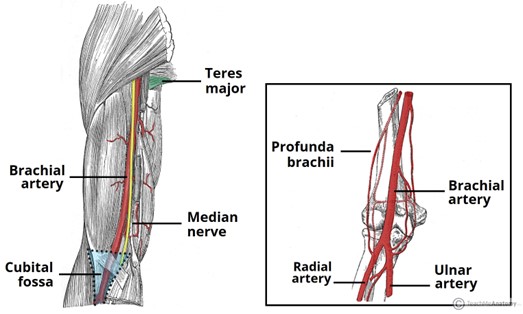
Placing the cuff on the upper arm is a correct procedure for measuring blood pressure because it ensures that the cuff is at the same level as the heart and that the brachial artery is compressed. The cuff should be snug and fit around 80% of the arm circumference.
D. Measure blood pressure after exercise.
Measuring blood pressure after exercise is not a good time for measuring blood pressure because it may reflect a temporary increase due to physical activity. Blood pressure should be measured after resting for at least 5 minutes in a quiet and comfortable environment.
This question is an excerpt from Nurse Dive's nursing test bank - RN Nutrition 2019 Nexy Updated 2023 Proctored Exam. Take the full exam now
Full Explanation
Choice A reason: Using an electronic device is not a reliable method for measuring blood pressure because it may give inaccurate readings due to movement, noise, or battery issues. An electronic device should be calibrated regularly and compared with a manual device.
Choice B reason: Inflating the cuff to 140/90 mmHg is not a correct procedure for measuring blood pressure because it may cause discomfort and false readings. The cuff should be inflated to about 20 to 30 mmHg above the expected systolic pressure or until the pulse disappears.
Choice C reason: Placing the cuff on the upper arm is a correct procedure for measuring blood pressure because it ensures that the cuff is at the same level as the heart and that the brachial artery is compressed. The cuff should be snug and fit around 80% of the arm circumference.
Choice D reason: Measuring blood pressure after exercise is not a good time for measuring blood pressure because it may reflect a temporary increase due to physical activity. Blood pressure should be measured after resting for at least 5 minutes in a quiet and comfortable environment.
Similar Questions
A nurse is assessing a client who has diabetes mellitus and reports feeling dizzy and weak. Which of the following actions should the nurse take?
A. Check blood glucose level.
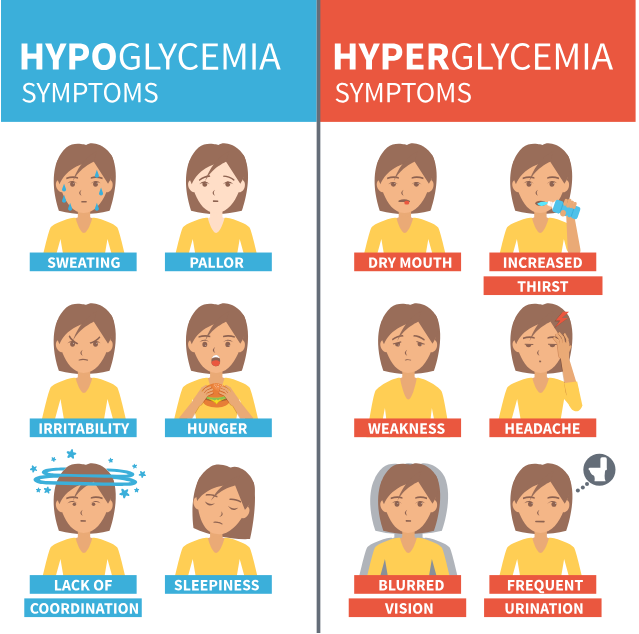
Checking blood glucose level is an appropriate action for the nurse to take because it can help determine if the client has hypoglycemia or hyperglycemia, which are both complications of diabetes mellitus that can cause dizziness and weakness. Blood glucose level should be checked using a glucometer and compared with the normal range of 70 to 130 mg/dL before meals and less than 180 mg/dL after meals.
B. Give insulin injection.
Giving insulin injection is not an appropriate action for the nurse to take without checking blood glucose level first because it may cause hypoglycemia, which is a condition in which blood glucose level drops below 70 mg/dL and can cause dizziness, weakness, confusion, sweating, and seizures. Insulin injection should be given according to the prescribed dose, type, and schedule.
C. Offer orange juice.
Offering orange juice is not an appropriate action for the nurse to take without checking blood glucose level first because it may cause hyperglycemia, which is a condition in which blood glucose level rises above 180 mg/dL and can cause dizziness, weakness, thirst, polyuria, and ketoacidosis. Orange juice should be offered only if the client has hypoglycemia and is conscious and able to swallow.
D. Apply cold compress.
Applying cold compress is not an appropriate action for the nurse to take because it does not address the underlying cause of dizziness and weakness in a client who has diabetes mellitus. Cold compress may worsen the symptoms by reducing blood flow and oxygen delivery to the brain. Cold compress should be applied only if the client has fever, inflammation, or pain.
Full Explanation
Choice A reason: Checking blood glucose level is an appropriate action for the nurse to take because it can help determine if the client has hypoglycemia or hyperglycemia, which are both complications of diabetes mellitus that can cause dizziness and weakness. Blood glucose level should be checked using a glucometer and compared with the normal range of 70 to 130 mg/dL before meals and less than 180 mg/dL after meals.
Choice B reason: Giving insulin injection is not an appropriate action for the nurse to take without checking blood glucose level first because it may cause hypoglycemia, which is a condition in which blood glucose level drops below 70 mg/dL and can cause dizziness, weakness, confusion, sweating, and seizures. Insulin injection should be given according to the prescribed dose, type, and schedule.
Choice C reason: Offering orange juice is not an appropriate action for the nurse to take without checking blood glucose level first because it may cause hyperglycemia, which is a condition in which blood glucose level rises above 180 mg/dL and can cause dizziness, weakness, thirst, polyuria, and ketoacidosis. Orange juice should be offered only if the client has hypoglycemia and is conscious and able to swallow.
Choice D reason: Applying cold compress is not an appropriate action for the nurse to take because it does not address the underlying cause of dizziness and weakness in a client who has diabetes mellitus. Cold compress may worsen the symptoms by reducing blood flow and oxygen delivery to the brain. Cold compress should be applied only if the client has fever, inflammation, or pain.
A nurse is teaching a client who has difficulty chewing due to ill-fitting dentures. Which of the following foods should the nurse recommend for the client?
A. Scrambled eggs
Scrambled eggs are a good food choice for a client who has difficulty chewing due to ill-fitting dentures because they are soft, moist, and easy to swallow. Scrambled eggs also provide protein, iron, and vitamin B12 for the client.
B. Tuna fish
Tuna fish is not a good food choice for a client who has difficulty chewing due to ill-fitting dentures because it may contain bones, skin, or scales that can cause discomfort or injury to the gums or mouth. Tuna fish should be avoided or checked for bones and skin before consuming.
C. Roast beef
Roast beef is not a good food choice for a client who has difficulty chewing due to ill-fitting dentures because it is tough, dry, and hard to chew. Roast beef can cause pain, fatigue, or choking for the client who has ill-fitting dentures. Roast beef should be avoided or cut into very small pieces and moistened with gravy or sauce before consuming.
D. Apple slices
Apple slices are not a good food choice for a client who has difficulty chewing due to ill-fitting dentures because they are crisp, firm, and sticky. Apple slices can dislodge or damage the dentures or cause irritation or infection to the gums or mouth. Apple slices should be avoided or cooked until soft and mashed before consuming.
Full Explanation
Choice A reason: Scrambled eggs are a good food choice for a client who has difficulty chewing due to ill-fitting dentures because they are soft, moist, and easy to swallow. Scrambled eggs also provide protein, iron, and vitamin B12 for the client.
Choice B reason: Tuna fish is not a good food choice for a client who has difficulty chewing due to ill-fitting dentures because it may contain bones, skin, or scales that can cause discomfort or injury to the gums or mouth. Tuna fish should be avoided or checked for bones and skin before consuming.
Choice C reason: Roast beef is not a good food choice for a client who has difficulty chewing due to ill-fitting dentures because it is tough, dry, and hard to chew. Roast beef can cause pain, fatigue, or choking for the client who has ill-fitting dentures. Roast beef should be avoided or cut into very small pieces and moistened with gravy or sauce before consuming.
Choice D reason: Apple slices are not a good food choice for a client who has difficulty chewing due to ill-fitting dentures because they are crisp, firm, and sticky. Apple slices can dislodge or damage the dentures or cause irritation or infection to the gums or mouth. Apple slices should be avoided or cooked until soft and mashed before consuming.
Choice E reason: Dried fruit is not a good food choice for a client who has difficulty chewing due to ill-fitting dentures because they are chewy, sticky, and sugary. Dried fruit can adhere to the dentures or teeth and cause dental caries or gum disease. Dried fruit should be avoided or soaked in water until soft and cut into small pieces before consuming.
A nurse is caring for an older adult client who reports difficulty chewing due to missing teeth. Which of the following foods should the nurse recommend for the client?
A. Tuna fish
Tuna fish is a good food choice for an older adult client who has difficulty chewing due to missing teeth because it is soft, moist, and easy to swallow. Tuna fish also provides protein, omega-3 fatty acids, and vitamin D for the client.
B. Roast beef
Roast beef is not a good food choice for an older adult client who has difficulty chewing due to missing teeth because it is tough, dry, and hard to chew. Roast beef can cause pain, fatigue, or choking for the client who has missing teeth. Roast beef should be avoided or cut into very small pieces and moistened with gravy or sauce before consuming.
C. Apple slices
Apple slices are not a good food choice for an older adult client who has difficulty chewing due to missing teeth because they are crisp, firm, and sticky. Apple slices can cause irritation or injury to the gums or mouth or dislodge any remaining teeth. Apple slices should be avoided or cooked until soft and mashed before consuming.
D. Dried fruit
Dried fruit is not a good food choice for an older adult client who has difficulty chewing due to missing teeth because they are chewy, sticky, and sugary. Dried fruit can adhere to the gums or teeth and cause dental caries or gum disease. Dried fruit should be avoided or soaked in water until soft and cut into small pieces before consuming.
Full Explanation
Choice A reason: Tuna fish is a good food choice for an older adult client who has difficulty chewing due to missing teeth because it is soft, moist, and easy to swallow. Tuna fish also provides protein, omega-3 fatty acids, and vitamin D for the client.
Choice B reason: Roast beef is not a good food choice for an older adult client who has difficulty chewing due to missing teeth because it is tough, dry, and hard to chew. Roast beef can cause pain, fatigue, or choking for the client who has missing teeth. Roast beef should be avoided or cut into very small pieces and moistened with gravy or sauce before consuming.
Choice C reason: Apple slices are not a good food choice for an older adult client who has difficulty chewing due to missing teeth because they are crisp, firm, and sticky. Apple slices can cause irritation or injury to the gums or mouth or dislodge any remaining teeth. Apple slices should be avoided or cooked until soft and mashed before consuming.
Choice D reason: Dried fruit is not a good food choice for an older adult client who has difficulty chewing due to missing teeth because they are chewy, sticky, and sugary. Dried fruit can adhere to the gums or teeth and cause dental caries or gum disease. Dried fruit should be avoided or soaked in water until soft and cut into small pieces before consuming.