
Nursing practice questions with comprehensive rationales
NurseDive Free Nursing Practice Question
A nurse is providing teaching to a client who has diabetes mellitus about carbohydrate intake needs when exercising. Which of the following foods should the nurse include as containing a 15 g serving of carbohydrates?
A. 1 cup of milk
One cup of milk contains approximately 15 grams of carbohydrates. Milk is a good source of carbohydrates, protein, and calcium, making it a suitable option for maintaining blood glucose levels during exercise. It is important for individuals with diabetes to monitor their carbohydrate intake to manage their blood sugar levels effectively.
B. 1/2 cup of regular ice cream
Half a cup of regular ice cream contains around 15 grams of carbohydrates. However, ice cream also contains high levels of sugar and fat, which may not be the healthiest option for regular consumption, especially for individuals with diabetes. While it can be included occasionally, it is better to choose healthier carbohydrate sources.
C. 1 slice of bread
One slice of bread typically contains about 15 grams of carbohydrates. Bread, especially whole grain or whole wheat varieties, can be a good source of carbohydrates for individuals with diabetes. It provides fiber, which helps in maintaining stable blood sugar levels.
D. 1 cup of sugar-free yogurt
One cup of sugar-free yogurt does not contain 15 grams of carbohydrates. Sugar-free yogurt usually has fewer carbohydrates compared to regular yogurt. It is important to read the nutritional labels to determine the exact carbohydrate content. Regular yogurt, on the other hand, can be a good source of carbohydrates.
This question is an excerpt from Nurse Dive's nursing test bank - Final Med Surg Comprehensive Proctored Exam (Brooklyn University). Take the full exam now
Full Explanation
The correct answer is a) 1 cup of milk.
Choice A reason: One cup of milk contains approximately 15 grams of carbohydrates. Milk is a good source of carbohydrates, protein, and calcium, making it a suitable option for maintaining blood glucose levels during exercise. It is important for individuals with diabetes to monitor their carbohydrate intake to manage their blood sugar levels effectively.
Choice B reason: Half a cup of regular ice cream contains around 15 grams of carbohydrates. However, ice cream also contains high levels of sugar and fat, which may not be the healthiest option for regular consumption, especially for individuals with diabetes. While it can be included occasionally, it is better to choose healthier carbohydrate sources.
Choice C reason: One slice of bread typically contains about 15 grams of carbohydrates. Bread, especially whole grain or whole wheat varieties, can be a good source of carbohydrates for individuals with diabetes. It provides fiber, which helps in maintaining stable blood sugar levels.
Choice D reason: One cup of sugar-free yogurt does not contain 15 grams of carbohydrates. Sugar-free yogurt usually has fewer carbohydrates compared to regular yogurt. It is important to read the nutritional labels to determine the exact carbohydrate content. Regular yogurt, on the other hand, can be a good source of carbohydrates.
Similar Questions
A nurse in a PACU is assessing a client who has a newly created colostomy. Which of the following findings should the nurse report to the provider?
A. Rosebud-like stoma orifice
: A rosebud-like stoma orifice is a normal finding for a newly created colostomy. This appearance indicates that the stoma is healthy and well-formed. The stoma should protrude slightly from the abdomen and have a pink or red color, similar to the inside of the mouth. This indicates good blood flow and proper healing. Therefore, a rosebud-like stoma orifice does not need to be reported to the provider.
B. Stoma oozing red drainage
: A stoma oozing red drainage can be concerning, but it is not uncommon for a new stoma to have some minor bleeding or oozing, especially in the immediate postoperative period. This can occur due to the delicate nature of the tissue and the recent surgical intervention. However, if the drainage is excessive or persistent, it should be monitored closely and reported if it does not improve. Minor oozing is generally expected and does not necessarily indicate a serious problem.
C. Shiny, moist stoma
: A shiny, moist stoma is a normal finding and indicates that the stoma is healthy. The stoma should be moist and have a shiny appearance, similar to the inside of the mouth. This moisture is necessary for the proper function and health of the stoma. Therefore, a shiny, moist stoma does not need to be reported to the provider.
D. Purplish-colored stoma
: A purplish-colored stoma is an abnormal finding and should be reported to the provider immediately. This discoloration can indicate compromised blood flow to the stoma, which can lead to tissue necrosis if not addressed promptly. A healthy stoma should be pink or red, indicating good blood circulation. Any deviation from this color, especially a purplish or dark color, is a sign of potential ischemia or other serious complications that require immediate medical attention.
Full Explanation
Choice A Reason:
A rosebud-like stoma orifice is a normal finding for a newly created colostomy. This appearance indicates that the stoma is healthy and well-formed. The stoma should protrude slightly from the abdomen and have a pink or red color, similar to the inside of the mouth. This indicates good blood flow and proper healing. Therefore, a rosebud-like stoma orifice does not need to be reported to the provider.
Choice B Reason:
A stoma oozing red drainage can be concerning, but it is not uncommon for a new stoma to have some minor bleeding or oozing, especially in the immediate postoperative period. This can occur due to the delicate nature of the tissue and the recent surgical intervention. However, if the drainage is excessive or persistent, it should be monitored closely and reported if it does not improve. Minor oozing is generally expected and does not necessarily indicate a serious problem.
Choice C Reason:
A shiny, moist stoma is a normal finding and indicates that the stoma is healthy. The stoma should be moist and have a shiny appearance, similar to the inside of the mouth. This moisture is necessary for the proper function and health of the stoma. Therefore, a shiny, moist stoma does not need to be reported to the provider.
Choice D Reason:
A purplish-colored stoma is an abnormal finding and should be reported to the provider immediately. This discoloration can indicate compromised blood flow to the stoma, which can lead to tissue necrosis if not addressed promptly. A healthy stoma should be pink or red, indicating good blood circulation. Any deviation from this color, especially a purplish or dark color, is a sign of potential ischemia or other serious complications that require immediate medical attention.
A nurse admits a client to the emergency department who reports nausea and vomiting that worsens when he lies down. Antacids do not help. The provider suspects acute pancreatitis. Which of the following laboratory test results should the nurse expect to see?
A. Increased serum amylase
: Increased serum amylase is a key indicator of acute pancreatitis. Amylase is an enzyme produced by the pancreas to help digest carbohydrates. In cases of acute pancreatitis, the pancreas becomes inflamed, leading to the release of amylase into the bloodstream. Elevated levels of serum amylase, typically more than three times the upper limit of normal, are a strong indication of acute pancreatitis. This enzyme level usually rises within a few hours of the onset of pancreatitis and can remain elevated for several days.
B. Increased serum calcium
: Increased serum calcium is not typically associated with acute pancreatitis. In fact, acute pancreatitis can often lead to hypocalcemia (low calcium levels) due to fat saponification in the pancreas, where calcium binds with fatty acids. Therefore, an increase in serum calcium would not be expected in a patient with acute pancreatitis. Monitoring calcium levels is important, but an increase is not a diagnostic marker for this condition.
C. Decreased WBC
: Decreased WBC (white blood cell count) is not a characteristic finding in acute pancreatitis. On the contrary, acute pancreatitis often leads to an elevated WBC count due to the inflammatory response in the body. Leukocytosis (increased WBC) is a common finding in many inflammatory and infectious conditions, including acute pancreatitis. Therefore, a decreased WBC count would not be expected and does not support the diagnosis of acute pancreatitis.
D. Decreased serum lipase
: Decreased serum lipase is incorrect. Similar to amylase, lipase is another enzyme produced by the pancreas, which helps in the digestion of fats. In acute pancreatitis, serum lipase levels also increase significantly, often more than three times the upper limit of normal. Lipase levels tend to rise slightly later than amylase but remain elevated for a longer period, making it a useful marker for diagnosing acute pancreatitis. Therefore, decreased serum lipase would not be expected in this condition.
Full Explanation
Choice A Reason:
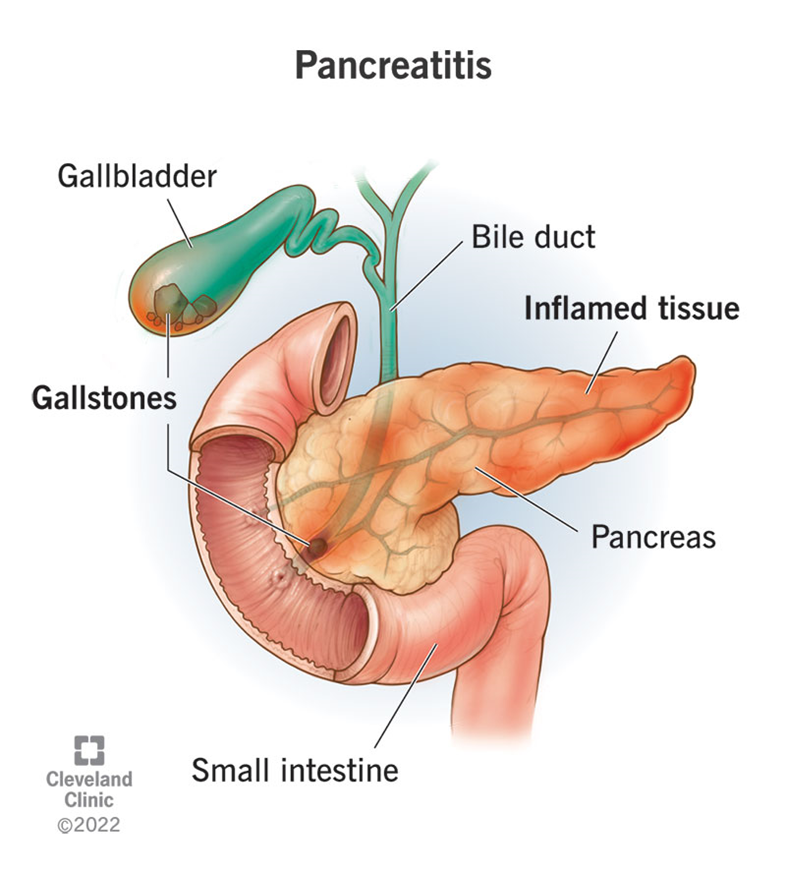
Increased serum amylase is a key indicator of acute pancreatitis. Amylase is an enzyme produced by the pancreas to help digest carbohydrates. In cases of acute pancreatitis, the pancreas becomes inflamed, leading to the release of amylase into the bloodstream. Elevated levels of serum amylase, typically more than three times the upper limit of normal, are a strong indication of acute pancreatitis. This enzyme level usually rises within a few hours of the onset of pancreatitis and can remain elevated for several days.
Choice B Reason:
Increased serum calcium is not typically associated with acute pancreatitis. In fact, acute pancreatitis can often lead to hypocalcemia (low calcium levels) due to fat saponification in the pancreas, where calcium binds with fatty acids. Therefore, an increase in serum calcium would not be expected in a patient with acute pancreatitis. Monitoring calcium levels is important, but an increase is not a diagnostic marker for this condition.
Choice C Reason:
Decreased WBC (white blood cell count) is not a characteristic finding in acute pancreatitis. On the contrary, acute pancreatitis often leads to an elevated WBC count due to the inflammatory response in the body. Leukocytosis (increased WBC) is a common finding in many inflammatory and infectious conditions, including acute pancreatitis. Therefore, a decreased WBC count would not be expected and does not support the diagnosis of acute pancreatitis.
Choice D Reason:
Decreased serum lipase is incorrect. Similar to amylase, lipase is another enzyme produced by the pancreas, which helps in the digestion of fats. In acute pancreatitis, serum lipase levels also increase significantly, often more than three times the upper limit of normal. Lipase levels tend to rise slightly later than amylase but remain elevated for a longer period, making it a useful marker for diagnosing acute pancreatitis. Therefore, decreased serum lipase would not be expected in this condition.
A nurse is teaching self-management to a client who has hepatitis B. Which of the following instructions should the nurse include in the teaching?
A. Consume a high-protein diet.
Consuming a high-protein diet is not typically recommended for clients with hepatitis B. While protein is essential for overall health, excessive protein intake can put additional strain on the liver. Instead, a balanced diet with adequate carbohydrates, fruits, and vegetables is advised to support liver function.
B. Rest frequently throughout the day.
Resting frequently throughout the day is crucial for clients with hepatitis B. The liver is responsible for many vital functions, including detoxification, protein synthesis, and the production of biochemicals necessary for digestion. When the liver is inflamed or damaged, as in hepatitis B, it needs ample rest to recover and function properly.
C. You may donate blood 6 months after completing the medication regimen.
Clients with hepatitis B should not donate blood. Hepatitis B is a bloodborne virus, and donating blood can transmit the infection to others. Blood donation guidelines strictly prohibit individuals with hepatitis B from donating blood, regardless of the time elapsed since completing medication.
D. Take acetaminophen every 4 hours, as needed, for discomfort.
Taking acetaminophen every 4 hours for discomfort is not advisable for clients with hepatitis B. Acetaminophen is metabolized by the liver, and excessive use can lead to liver damage. Clients with liver conditions should use acetaminophen sparingly and under medical supervision to avoid exacerbating liver damage.
Full Explanation
Choice A reason: Consuming a high-protein diet is not typically recommended for clients with hepatitis B. While protein is essential for overall health, excessive protein intake can put additional strain on the liver. Instead, a balanced diet with adequate carbohydrates, fruits, and vegetables is advised to support liver function.
Choice B reason: Resting frequently throughout the day is crucial for clients with hepatitis B. The liver is responsible for many vital functions, including detoxification, protein synthesis, and the production of biochemicals necessary for digestion. When the liver is inflamed or damaged, as in hepatitis B, it needs ample rest to recover and function properly.
Choice C reason: Clients with hepatitis B should not donate blood. Hepatitis B is a bloodborne virus, and donating blood can transmit the infection to others. Blood donation guidelines strictly prohibit individuals with hepatitis B from donating blood, regardless of the time elapsed since completing medication.
Choice D reason: Taking acetaminophen every 4 hours for discomfort is not advisable for clients with hepatitis B. Acetaminophen is metabolized by the liver, and excessive use can lead to liver damage. Clients with liver conditions should use acetaminophen sparingly and under medical supervision to avoid exacerbating liver damage.