Nursing practice questions with comprehensive rationales
NurseDive Free Nursing Practice Question
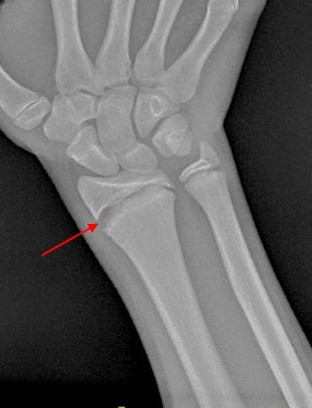
A nurse is providing teaching to a parent of a child who has a fracture of an epiphyseal plate.
Which of the following statements should the nurse make?
A. "Normal bone growth can be affected.".
An epiphyseal fracture is a fracture that occurs in the epiphyseal plate, which is the layer of cartilage between the end of a long bone and the start of the bone shaft. This type of fracture is most common in children and adolescents, as their bones are still growing and the epiphyseal plate is not yet fused to the bone shaft. Because this is where new bone develops, injuries to this area can cause the plate to close prematurely, jeopardizing bone growth.
B. "Bone marrow can be lost through the fracture.".
Choice B, “Bone marrow can be lost through the fracture,” is incorrect because bone marrow is not lost through an epiphyseal fracture.
C. "The younger the child the longer the healing process will take.".
Choice C, “The younger the child the longer the healing process will take,” is incorrect because younger children generally heal faster than older children or adults.
D. "The blood supply to the bone is disrupted.".
Choice D, “The blood supply to the bone is disrupted,” is incorrect because an epiphyseal fracture does not necessarily disrupt the blood supply to the bone.
This question is an excerpt from Nurse Dive's nursing test bank - ATI Custom SP23 N23 N240 Proctored Exam 3 Ch 11 24 32 43 44. Take the full exam now
Full Explanation
An epiphyseal fracture is a fracture that occurs in the epiphyseal plate, which is the layer of cartilage between the end of a long bone and the start of the bone shaft.
This type of fracture is most common in children and adolescents, as their bones are still growing and the epiphyseal plate is not yet fused to the bone shaft.
Because this is where new bone develops, injuries to this area can cause the plate to close prematurely, jeopardizing bone growth.
Choice B, “Bone marrow can be lost through the fracture,” is incorrect because
bone marrow is not lost through an epiphyseal fracture.
Choice C, “The younger the child the longer the healing process will take,” is incorrect because younger children generally heal faster than older children or adults.
Choice D, “The blood supply to the bone is disrupted,” is incorrect because an
epiphyseal fracture does not necessarily disrupt the blood supply to the bone.
Similar Questions
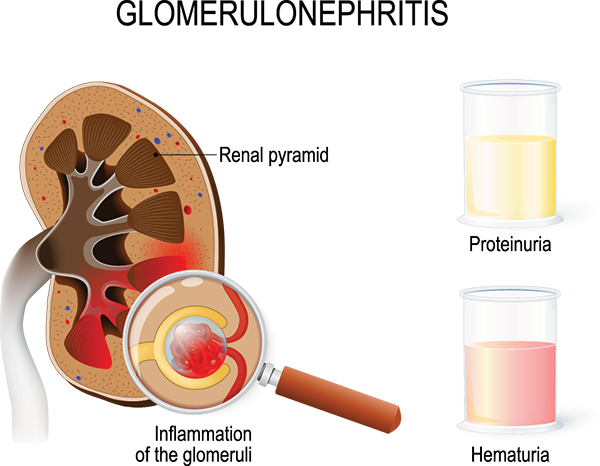
A nurse is caring for a child who has acute glomerulonephritis.
Which of the following actions is the nurse's priority?
A. Check the child's daily weight.
Nursing care planning goals for a child with acute glomerulonephritis are directed toward the excretion of excess fluid through urination. Monitoring fluid status is very important and daily weights are an effective way to monitor fluid retention, as weight gain is the earliest sign of fluid retention.
B. Educate the parents about potential complications.
Choice B, Educate the parents about potential complications, is important but not the nurse’s priority.
C. Place the child on a no-salt-added diet.
Choice C, Place the child on a no-salt-added diet, which may be part of the treatment plan but is not the nurse’s priority.
D. Maintain a saline lock.
Choice D, Maintaining a saline lock, may be necessary for administering medications but is not the nurse’s priority.
Full Explanation
Nursing care planning goals for a child with acute glomerulonephritis are directed toward the excretion of excess fluid through urination.
Monitoring fluid status is very important and daily weights are an effective way to monitor fluid retention, as weight gain is the earliest sign of fluid retention.
Choice B, Educating the parents about potential complications, is important but not the nurse’s priority.
Choice C, Place the child on a no-salt-added diet, which may be part of the treatment
plan but is not the nurse’s priority.
Choice D, Maintaining a saline lock, may be necessary for administering medications but is not the nurse’s priority.
A nurse is caring for a child who has tinea pedis. The child's parent asks the nurse what this infection is commonly called.
The nurse should respond with which of the following common names?
A. Shingles.
Choice A, Shingles, is incorrect because shingles are a viral infection that causes a painful rash.
B. Valley fever.
Choice B, Valley fever, is incorrect because valley fever is a fungal infection that affects the lungs.
C. Fever blister.
Choice C, Fever blister, is incorrect because fever blisters are caused by the herpes simplex virus and typically appear on or around the lips.
D. Athlete's foot.
Tinea pedis is a fungal infection that affects the skin on the feet and is commonly known as an athlete’s foot.
Full Explanation
Tinea pedis is a fungal infection that affects the skin on the feet and is commonly known as an athlete’s foot.
Choice A, Shingles, is incorrect because shingles are a viral infection that causes a
painful rash.
Choice B, Valley fever, is incorrect because valley fever is a fungal infection that affects the lungs.
Choice C, Fever blister, is incorrect because fever blisters are caused by the herpes simplex virus and typically appear on or around the lips.
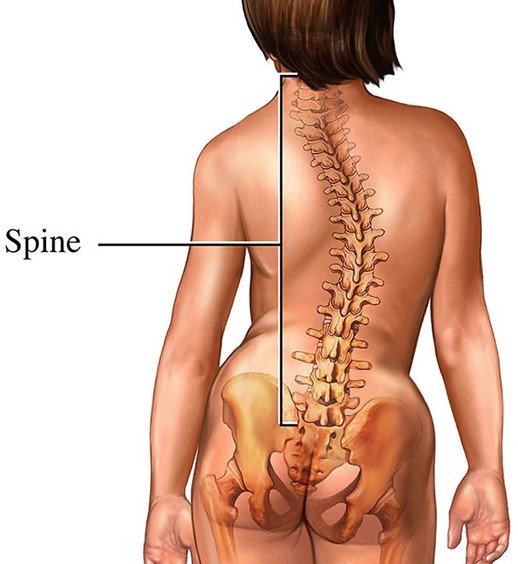
A nurse is assisting with a routine physical examination of an adolescent. The provider observes a lateral curvature of the spine.
The nurse should expect the provider to document which of the following disorders?
A. Torticollis.
Choice A, Torticollis, is not the correct answer because it is a condition in which the head becomes persistently turned to one side, often associated with painful muscle spasms.
B. Kyphosis.
Choice B, Kyphosis, is not the correct answer because it refers to an excessive outward curvature of the spine, causing hunching of the back.
C. Scoliosis.
Scoliosis is a condition characterized by sideways curvature of the spine or backbone. A lateral curvature of the spine is called scoliosis.
D. Lordosis.
Choice D, Lordosis, is not the correct answer because it refers to an excessive inward curvature of the spine.
Full Explanation
Scoliosis is a condition characterized by sideways curvature of the spine or backbone.
A lateral curvature of the spine is called scoliosis.
Choice A, Torticollis, is not the correct answer because it is a condition in which the head becomes persistently turned to one side, often associated with painful muscle spasms.
Choice B, Kyphosis, is not the correct answer because it refers to an excessive outward curvature of the spine, causing hunching of the back.
Choice D, Lordosis, is not the correct answer because it refers to an excessive inward curvature of the spine.