Nursing practice questions with comprehensive rationales
NurseDive Free Nursing Practice Question
A nurse is providing teaching to an adolescent who has a new prescription for cefazolin. For which of the following adverse effects should the nurse instruct the adolescent to monitor and report to the provider?
A. Dry mouth
Dry mouth: Dry mouth is not a common adverse effect of cefazolin. It is more commonly associated with other medications, such as anticholinergic drugs. While dry mouth may be uncomfortable, it is not typically considered a serious adverse effect of cefazolin that requires immediate reporting.
B. Constipation
Constipation: Constipation is also not a common adverse effect of cefazolin. It is more commonly associated with other medications, dietary factors, or underlying medical conditions. Similar to dry mouth, constipation is not typically considered a serious adverse effect of cefazolin that requires immediate reporting.
C. Back pain
Back pain: Back pain is not a common adverse effect of cefazolin. While musculoskeletal adverse effects can occur with some antibiotics, back pain is not typically associated with cefazolin. However, if severe or persistent back pain occurs, it should be reported to the healthcare provider for evaluation.
D. Urticaria
Urticaria: Urticaria, also known as hives, is a potential adverse effect of cefazolin and other antibiotics. It is characterized by raised, itchy welts on the skin and can be a sign of an allergic reaction. Urticaria should be reported to the healthcare provider immediately, as it may indicate a serious allergic reaction requiring prompt medical attention.
This question is an excerpt from Nurse Dive's nursing test bank - Ati Nursing Care Of Children Proctored Exam. Take the full exam now
Full Explanation
A. Dry mouth: Dry mouth is not a common adverse effect of cefazolin. It is more commonly associated with other medications, such as anticholinergic drugs. While dry mouth may be uncomfortable, it is not typically considered a serious adverse effect of cefazolin that requires immediate reporting.
B. Constipation: Constipation is also not a common adverse effect of cefazolin. It is more commonly associated with other medications, dietary factors, or underlying medical conditions. Similar to dry mouth, constipation is not typically considered a serious adverse effect of cefazolin that requires immediate reporting.
C. Back pain: Back pain is not a common adverse effect of cefazolin. While musculoskeletal adverse effects can occur with some antibiotics, back pain is not typically associated with cefazolin. However, if severe or persistent back pain occurs, it should be reported to the healthcare provider for evaluation.
D. Urticaria: Urticaria, also known as hives, is a potential adverse effect of cefazolin and other antibiotics. It is characterized by raised, itchy welts on the skin and can be a sign of an allergic reaction. Urticaria should be reported to the healthcare provider immediately, as it may indicate a serious allergic reaction requiring prompt medical attention.
Similar Questions
A nurse is preparing an educational program about death and dying for the guardians of children who have a terminal illness. Which of the following information should the nurse include?
A. Preschoolers believe their illness is punishment for their misbehavior.
Preschoolers believe their illness is punishment for their misbehavior: This statement is true. Preschool-aged children often have a limited understanding of illness and may associate it with punishment. They might think that their illness is a consequence of something they did wrong. As a nurse, it’s essential to address these misconceptions and provide age-appropriate explanations to help them understand their condition better. .
B. Preschoolers are interested in what happens to the body after death.
Preschoolers are interested in what happens to the body after death: Preschoolers may have curiosity about death and what happens afterward, but their understanding is typically limited. They may ask simple questions about death and may need age-appropriate explanations about the concept. Providing information in a sensitive and honest manner can help address their curiosity and alleviate fears.
C. Adolescents worry more about death than the physical changes that can occur as a result of the illness.
Adolescents worry more about death than the physical changes that can occur as a result of the illness: Adolescents facing terminal illness may have complex emotions and concerns about both death and the physical changes associated with their illness. It's important to acknowledge and address both aspects of their experience, providing opportunities for adolescents to express their feelings and concerns in a supportive environment.
D. Toddlers personify death as being a type of monster.
Toddlers personify death as being a type of monster: Toddlers often have limited understanding of death and may personify it in different ways, including as a monster or some other abstract concept. It's essential for guardians to provide comfort and reassurance to toddlers who may experience fear or confusion about death. Providing simple and concrete explanations about death, tailored to their developmental level, can help alleviate anxiety.
Full Explanation
A. Preschoolers believe their illness is punishment for their misbehavior: This statement is true. Preschool-aged children often have a limited understanding of illness and may associate it with punishment. They might think that their illness is a consequence of something they did wrong. As a nurse, it’s essential to address these misconceptions and provide age-appropriate explanations to help them understand their condition better.
B. Preschoolers are interested in what happens to the body after death: Preschoolers may have curiosity about death and what happens afterward, but their understanding is typically limited. They may ask simple questions about death and may need age-appropriate explanations about the concept. Providing information in a sensitive and honest manner can help address their curiosity and alleviate fears.
C. Adolescents worry more about death than the physical changes that can occur as a result of the illness: Adolescents facing terminal illness may have complex emotions and concerns about both death and the physical changes associated with their illness. It's important to acknowledge and address both aspects of their experience, providing opportunities for adolescents to express their feelings and concerns in a supportive environment.
D. Toddlers personify death as being a type of monster: Toddlers often have limited understanding of death and may personify it in different ways, including as a monster or some other abstract concept. It's essential for guardians to provide comfort and reassurance to toddlers who may experience fear or confusion about death. Providing simple and concrete explanations about death, tailored to their developmental level, can help alleviate anxiety.
A nurse is completing an assessment following suctioning of a child who has a tracheostomy. Which of the following findings should the nurse identify as an indication that the procedure has been effective?
A. Increased respiratory rate
Increased respiratory rate: An increased respiratory rate may indicate that the child is experiencing respiratory distress or discomfort, which could be a sign that suctioning was not effective or that it was too aggressive. Ideally, after suctioning, the child's respiratory rate should stabilize or decrease as they are able to breathe more comfortably with a clear airway.
B. Decreased oxygen saturation
Decreased oxygen saturation: A decreased oxygen saturation level may indicate that the child is not receiving enough oxygen, which could be a sign of ineffective suctioning or airway obstruction. Effective suctioning should improve oxygenation by removing secretions and allowing for better airflow. A decrease in oxygen saturation would suggest the need for further assessment and intervention.
C. Clear breath sounds
Clear breath sounds: This is the correct option. Clear breath sounds indicate that the airway has been effectively cleared of excess secretions, allowing for clear airflow. After suctioning, the nurse should listen for clear breath sounds without any crackles, wheezes, or other abnormal sounds indicating obstruction or congestion.
D. Increased oral secretions
Increased oral secretions: Increased oral secretions may suggest that suctioning was not effective in clearing secretions from the airway, leading to pooling of secretions in the mouth. Effective suctioning should remove excess secretions from the airway, reducing the need for excessive oral secretions.
Full Explanation
A. Increased respiratory rate: An increased respiratory rate may indicate that the child is experiencing respiratory distress or discomfort, which could be a sign that suctioning was not effective or that it was too aggressive. Ideally, after suctioning, the child's respiratory rate should stabilize or decrease as they are able to breathe more comfortably with a clear airway.
B. Decreased oxygen saturation: A decreased oxygen saturation level may indicate that the child is not receiving enough oxygen, which could be a sign of ineffective suctioning or airway obstruction. Effective suctioning should improve oxygenation by removing secretions and allowing for better airflow. A decrease in oxygen saturation would suggest the need for further assessment and intervention.
C. Clear breath sounds: This is the correct option. Clear breath sounds indicate that the airway has been effectively cleared of excess secretions, allowing for clear airflow. After suctioning, the nurse should listen for clear breath sounds without any crackles, wheezes, or other abnormal sounds indicating obstruction or congestion.
D. Increased oral secretions: Increased oral secretions may suggest that suctioning was not effective in clearing secretions from the airway, leading to pooling of secretions in the mouth. Effective suctioning should remove excess secretions from the airway, reducing the need for excessive oral secretions.
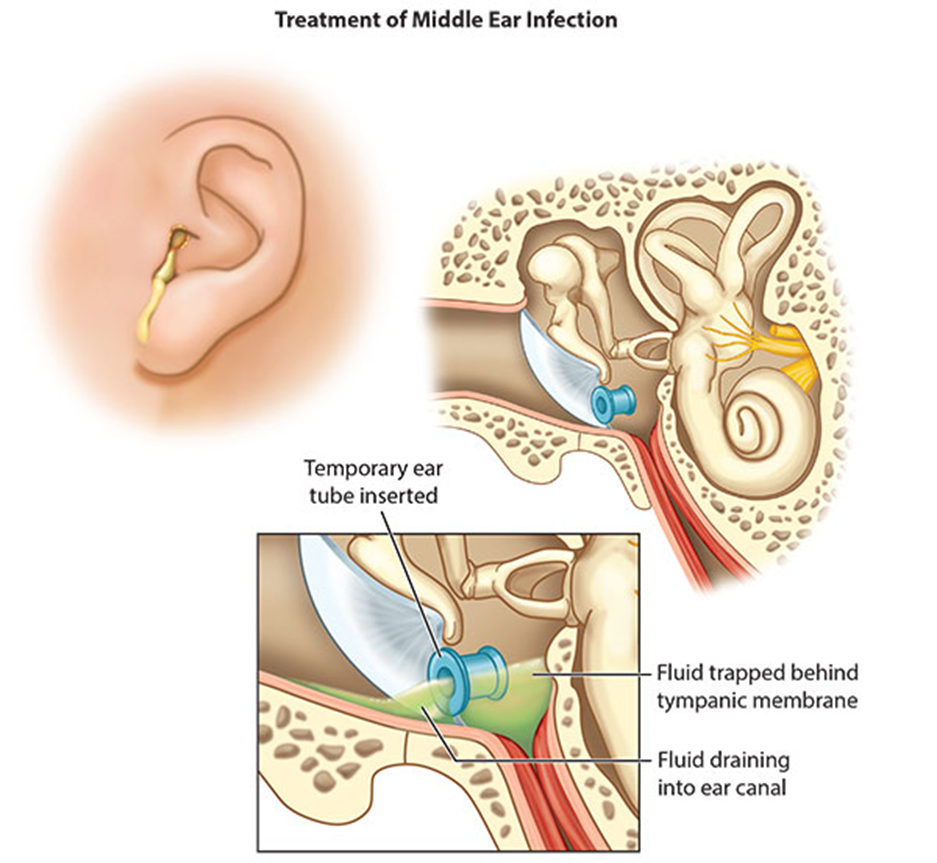
A nurse working on an outpatient surgical unit is providing discharge teaching to the parent of a preschooler following placement of tympanoplasty tubes. The parent asks the nurse, "What should I do if the tubes fall out?" Which of the following responses should the nurse make?
A. "Gently put the tubes back into the child's ears."
"Gently put the tubes back into the child's ears": This is not the correct response. Tympanoplasty tubes are not meant to be reinserted if they fall out. Attempting to reinsert them without proper medical training could cause injury or damage to the child's ears. Therefore, this response should be avoided.
B. "Bring the child to the emergency department immediately."
"Bring the child to the emergency department immediately": While it's important for the parent to seek medical attention if the tubes fall out, it may not always necessitate a visit to the emergency department, especially if the child is not experiencing any other symptoms. This response might cause unnecessary panic for the parent and may not be the most appropriate course of action.
C. "Notify the provider that the tubes have fallen out."
"Notify the provider that the tubes have fallen out": This is the correct response. If the tympanoplasty tubes fall out, the parent should notify the healthcare provider who performed the procedure. The provider can then assess the situation and determine the next steps, which may include scheduling a follow-up appointment to evaluate the child's ears.
D. "The tubes are sutured in place and must be surgically removed."
"The tubes are sutured in place and must be surgically removed": This is incorrect. Tympanoplasty tubes are not sutured in place; they are typically designed to fall out on their own after a certain period of time. Additionally, removal of tympanoplasty tubes usually does not require another surgical procedure.
Full Explanation
A. "Gently put the tubes back into the child's ears": This is not the correct response. Tympanoplasty tubes are not meant to be reinserted if they fall out. Attempting to reinsert them without proper medical training could cause injury or damage to the child's ears. Therefore, this response should be avoided.
B. "Bring the child to the emergency department immediately": While it's important for the parent to seek medical attention if the tubes fall out, it may not always necessitate a visit to the emergency department, especially if the child is not experiencing any other symptoms. This response might cause unnecessary panic for the parent and may not be the most appropriate course of action.
C. "Notify the provider that the tubes have fallen out": This is the correct response. If the tympanoplasty tubes fall out, the parent should notify the healthcare provider who performed the procedure. The provider can then assess the situation and determine the next steps, which may include scheduling a follow-up appointment to evaluate the child's ears.
D. "The tubes are sutured in place and must be surgically removed": This is incorrect. Tympanoplasty tubes are not sutured in place; they are typically designed to fall out on their own after a certain period of time. Additionally, removal of tympanoplasty tubes usually does not require another surgical procedure.