Nursing practice questions with comprehensive rationales
NurseDive Free Nursing Practice Question
A nurse is providing teaching to the parent of a newborn who has gastroesophageal reflux. Which of the following instructions should the nurse include?
A. "Provide a small feeding just before bedtime."
"Provide a small feeding just before bedtime": This instruction is not recommended for a newborn with gastroesophageal reflux. It is advisable to avoid feeding the baby just before bedtime as lying down can worsen the reflux symptoms. Instead, it is generally recommended to keep the baby upright for some time after feeding to allow for proper digestion and minimize reflux.
B. "Place the newborn in a side-lying position if vomiting."
"Place the newborn in a side-lying position if vomiting": Placing the newborn in a side-lying position after vomiting is not recommended. This position does not provide adequate support to prevent choking or aspiration in case of vomiting. Instead, it is recommended to keep the newborn in an upright or slightly elevated position after feeding to minimize reflux.
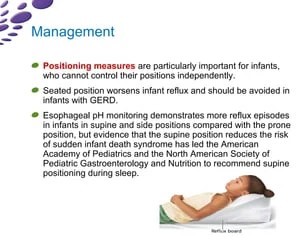
C. "Position the newborn at a 20-degree angle after feeding."
"Position the newborn at a 20-degree angle after feeding": This is the correct instruction. After feeding, it is beneficial to position the newborn at a slight angle, usually around 20 degrees, to help reduce gastroesophageal reflux. This position helps gravity keep the stomach contents down and prevents them from regurgitating back into the esophagus.
D. "Dilute formula with 1 tablespoon of water."
"Dilute formula with 1 tablespoon of water": Diluting formula with water is not a recommended practice unless specifically advised by a healthcare provider. It is important to follow the instructions on the formula packaging or the healthcare provider's guidance regarding formula preparation to ensure appropriate nutrition and hydration for the newborn.
This question is an excerpt from Nurse Dive's nursing test bank - ATI RN Nutrition 2019 Proctored Exam. Take the full exam now
Full Explanation
"Position the newborn at a 20-degree angle after feeding": This is the correct instruction. After feeding, it is beneficial to position the newborn at a slight angle, usually around 20 degrees, to help reduce gastroesophageal reflux. This position helps gravity keep the stomach contents down and prevents them from regurgitating back into the esophagus.
"Provide a small feeding just before bedtime": This instruction is not recommended for a newborn with gastroesophageal reflux. It is advisable to avoid feeding the baby just before bedtime as lying down can worsen the reflux symptoms. Instead, it is generally recommended to keep the baby upright for some time after feeding to allow for proper digestion and minimize reflux.
"Place the newborn in a side-lying position if vomiting": Placing the newborn in a side-lying position after vomiting is not recommended. This position does not provide adequate support to prevent choking or aspiration in case of vomiting. Instead, it is recommended to keep the newborn in an upright or slightly elevated position after feeding to minimize reflux.
"Dilute formula with 1 tablespoon of water": Diluting formula with water is not a recommended practice unless specifically advised by a healthcare provider. It is important to follow the instructions on the formula packaging or the healthcare provider's guidance regarding formula preparation to ensure appropriate nutrition and hydration for the newborn.
Similar Questions
A nurse is teaching a group of parents about appropriate food choices for toddlers. Which of the following choices by the parents demonstrates an understanding of the teaching?
A. Steak cut into small pieces
Steak cut into small pieces: While it is important to introduce a variety of textures and flavors to toddlers, steak may be challenging for them to chew and swallow safely. It is recommended to offer softer and more easily chewable protein sources, such as finely minced or shredded cooked meat, ground meat, or soft fish.
B. Cooked spaghetti with sauce
Cooked spaghetti with sauce: This is a good choice for a toddler. Cooked spaghetti with sauce provides a balanced meal that includes carbohydrates from the pasta, nutrients from the sauce (e.g., vegetables, protein), and a variety of flavors and textures. It is important to ensure that the spaghetti is cooked to an appropriate tenderness for the toddler's chewing and swallowing abilities.
C. Hot dog cut in fourths
Hot dogs cut in fourths: Hot dogs pose a potential choking hazard for toddlers due to their cylindrical shape and texture. Cutting the hot dog into smaller pieces is a safety measure, but it is still recommended to be cautious with hot dog consumption and offer alternative protein sources that are safer and easier to chew.
D. Caramel popcorn
Hot dog cut in fourths: Hot dogs pose a potential choking hazard for toddlers due to their cylindrical shape and texture. Cutting the hot dog into smaller pieces is a safety measure, but it is still recommended to be cautious with hot dog consumption and offer alternative protein sources that are safer and easier to chew.
Full Explanation
Steak cut into small pieces: While it is important to introduce a variety of textures and flavors to toddlers, steak may be challenging for them to chew and swallow safely. It is recommended to offer softer and more easily chewable protein sources, such as finely minced or shredded cooked meat, ground meat, or soft fish.
Cooked spaghetti with sauce: This is a good choice for a toddler. Cooked spaghetti with sauce provides a balanced meal that includes carbohydrates from the pasta, nutrients from the sauce (e.g., vegetables, protein), and a variety of flavors and textures. It is important to ensure that the spaghetti is cooked to an appropriate tenderness for the toddler's chewing and swallowing abilities.
Hot dogs cut in fourths: Hot dogs pose a potential choking hazard for toddlers due to their cylindrical shape and texture. Cutting the hot dog into smaller pieces is a safety measure, but it is still recommended to be cautious with hot dog consumption and offer alternative protein sources that are safer and easier to chew.
Caramel popcorn: Caramel popcorn is not an appropriate food choice for toddlers. Popcorn can be a choking hazard due to its small, hard, and irregular shape. Caramel popcorn can also be high in added sugars, which are not recommended in excess for young children. It is important to provide safe, age-appropriate snacks that are easy to chew and swallow, such as cut fruits, soft-cooked vegetables, or age-appropriate crackers.
A nurse is reviewing blood glucose values for a client who is at risk for diabetes mellitus. Which of the following findings should the nurse report to the provider?
A. Fasting blood glucose 70 mg/dL
Fasting blood glucose 70 mg/dL: A fasting blood glucose level of 70 mg/dL is within the normal range. Typically, fasting blood glucose levels below 100 mg/dL are considered normal. Therefore, this finding does not indicate a concern for diabetes.
B. 2-hr glucose tolerance test level 150 mg/dL
2-hour glucose tolerance test level 150 mg/dL: The 2-hour glucose tolerance test level of 150 mg/dL indicates elevated blood glucose levels after a glucose challenge. This finding suggests impaired glucose tolerance or impaired fasting glucose, which are considered pre-diabetic states. It is important to report this finding to the provider for further evaluation and consideration of interventions to prevent or delay the development of diabetes mellitus.
C. Glycosylated hemoglobin 5%
Glycosylated hemoglobin 5%: A glycosylated hemoglobin (HbA1c) level of 5% is within the normal range. HbA1c is a measure of average blood glucose levels over the past two to three months, and a level below 5.7% is typically considered normal. Therefore, this finding does not indicate a concern for diabetes.
D. Casual blood glucose 90 mg/dL
Casual blood glucose 90 mg/dL: A casual blood glucose level of 90 mg/dL is within the normal range. Casual blood glucose levels below 140 mg/dL are generally considered normal. Therefore, this finding does not indicate a concern for diabetes.
Full Explanation
2-hour glucose tolerance test level 150 mg/dL: The 2-hour glucose tolerance test level of 150 mg/dL indicates elevated blood glucose levels after a glucose challenge. This finding suggests impaired glucose tolerance or impaired fasting glucose, which are considered pre-diabetic states. It is important to report this finding to the provider for further evaluation and consideration of interventions to prevent or delay the development of diabetes mellitus.
Fasting blood glucose 70 mg/dL: A fasting blood glucose level of 70 mg/dL is within the normal range. Typically, fasting blood glucose levels below 100 mg/dL are considered normal.
Therefore, this finding does not indicate a concern for diabetes.
Glycosylated hemoglobin 5%: A glycosylated hemoglobin (HbA1c) level of 5% is within the normal range. HbA1c is a measure of average blood glucose levels over the past two to three months, and a level below 5.7% is typically considered normal. Therefore, this finding does not indicate a concern for diabetes.
Casual blood glucose 90 mg/dL: A casual blood glucose level of 90 mg/dL is within the normal range. Casual blood glucose levels below 140 mg/dL are generally considered normal.
Therefore, this finding does not indicate a concern for diabetes.
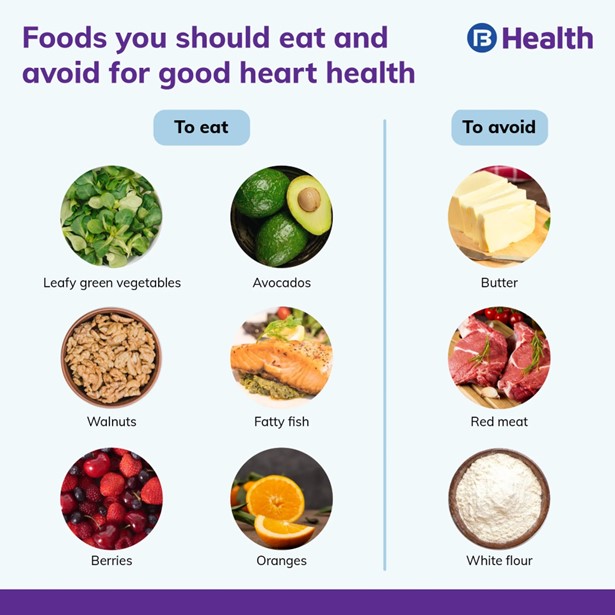
A nurse is teaching about implementing a heart-healthy diet to a client who has coronary artery disease. Which of the following foods should the nurse recommend to the client?
A. Canned potato soup
Canned potato soup: Canned potato soup often contains high levels of sodium and may also be high in saturated fat, depending on the specific brand and recipe. Excess sodium intake can lead to high blood pressure, which is a risk factor for coronary artery disease. Therefore, canned potato soup is not an ideal choice for a heart-healthy diet.
B. Baked ham
Baked ham: Baked ham is typically high in saturated fat and sodium, which are not favorable for a heart-healthy diet. Consuming excessive amounts of saturated fat can contribute to high cholesterol levels and increase the risk of coronary artery disease.
C. Broiled salmon
Broiled salmon: Broiled salmon is an excellent choice for a heart-healthy diet. It is rich in omega-3 fatty acids, which have been shown to have cardiovascular benefits, including reducing the risk of heart disease. Salmon is also a good source of lean protein and contains less saturated fat compared to red meats. It is recommended to choose broiled or grilled salmon rather than fried or breaded preparations to minimize added fats and oils.
D. Processed cheese
Processed cheese: Processed cheese, such as cheese slices or spreads, tends to be high in saturated fat and sodium. These types of cheeses are not the best choice for a heart-healthy diet. It is better to opt for natural, low-fat cheeses or other dairy alternatives that are lower in saturated fat and sodium.
Full Explanation
Baked ham: Baked ham is typically high in saturated fat and sodium, which are not favorable for a heart-healthy diet. Consuming excessive amounts of saturated fat can contribute to high cholesterol levels and increase the risk of coronary artery disease.
Canned potato soup: Canned potato soup often contains high levels of sodium and may also be high in saturated fat, depending on the specific brand and recipe. Excess sodium intake can lead to high blood pressure, which is a risk factor for coronary artery disease. Therefore, canned potato soup is not an ideal choice for a heart-healthy diet.
Broiled salmon: Broiled salmon is an excellent choice for a heart-healthy diet. It is rich in omega-3 fatty acids, which have been shown to have cardiovascular benefits, including reducing the risk of heart disease. Salmon is also a good source of lean protein and contains
less saturated fat compared to red meats. It is recommended to choose broiled or grilled salmon rather than fried or breaded preparations to minimize added fats and oils.
Processed cheese: Processed cheese, such as cheese slices or spreads, tends to be high in saturated fat and sodium. These types of cheeses are not the best choice for a heart-healthy diet. It is better to opt for natural, low-fat cheeses or other dairy alternatives that are lower in saturated fat and sodium.