Nursing practice questions with comprehensive rationales
NurseDive Free Nursing Practice Question
A nurse is reviewing blood glucose values for a client who is at risk for diabetes mellitus. Which of the following findings should the nurse report to the provider?
A. Fasting blood glucose 70 mg/dL
Fasting blood glucose 70 mg/dL: A fasting blood glucose level of 70 mg/dL is within the normal range. Typically, fasting blood glucose levels below 100 mg/dL are considered normal. Therefore, this finding does not indicate a concern for diabetes.
B. 2-hr glucose tolerance test level 150 mg/dL
2-hour glucose tolerance test level 150 mg/dL: The 2-hour glucose tolerance test level of 150 mg/dL indicates elevated blood glucose levels after a glucose challenge. This finding suggests impaired glucose tolerance or impaired fasting glucose, which are considered pre-diabetic states. It is important to report this finding to the provider for further evaluation and consideration of interventions to prevent or delay the development of diabetes mellitus.
C. Glycosylated hemoglobin 5%
Glycosylated hemoglobin 5%: A glycosylated hemoglobin (HbA1c) level of 5% is within the normal range. HbA1c is a measure of average blood glucose levels over the past two to three months, and a level below 5.7% is typically considered normal. Therefore, this finding does not indicate a concern for diabetes.
D. Casual blood glucose 90 mg/dL
Casual blood glucose 90 mg/dL: A casual blood glucose level of 90 mg/dL is within the normal range. Casual blood glucose levels below 140 mg/dL are generally considered normal. Therefore, this finding does not indicate a concern for diabetes.
This question is an excerpt from Nurse Dive's nursing test bank - ATI RN Nutrition 2019 Proctored Exam. Take the full exam now
Full Explanation
2-hour glucose tolerance test level 150 mg/dL: The 2-hour glucose tolerance test level of 150 mg/dL indicates elevated blood glucose levels after a glucose challenge. This finding suggests impaired glucose tolerance or impaired fasting glucose, which are considered pre-diabetic states. It is important to report this finding to the provider for further evaluation and consideration of interventions to prevent or delay the development of diabetes mellitus.
Fasting blood glucose 70 mg/dL: A fasting blood glucose level of 70 mg/dL is within the normal range. Typically, fasting blood glucose levels below 100 mg/dL are considered normal.
Therefore, this finding does not indicate a concern for diabetes.
Glycosylated hemoglobin 5%: A glycosylated hemoglobin (HbA1c) level of 5% is within the normal range. HbA1c is a measure of average blood glucose levels over the past two to three months, and a level below 5.7% is typically considered normal. Therefore, this finding does not indicate a concern for diabetes.
Casual blood glucose 90 mg/dL: A casual blood glucose level of 90 mg/dL is within the normal range. Casual blood glucose levels below 140 mg/dL are generally considered normal.
Therefore, this finding does not indicate a concern for diabetes.
Similar Questions
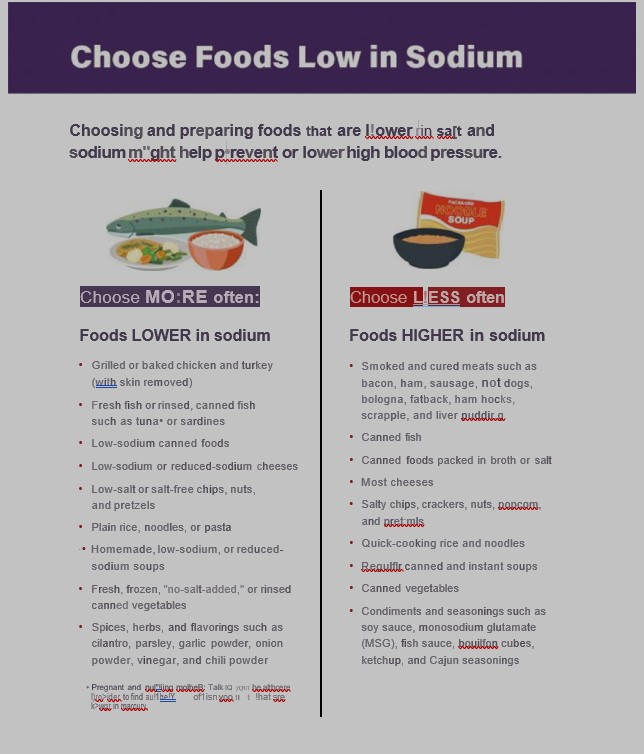
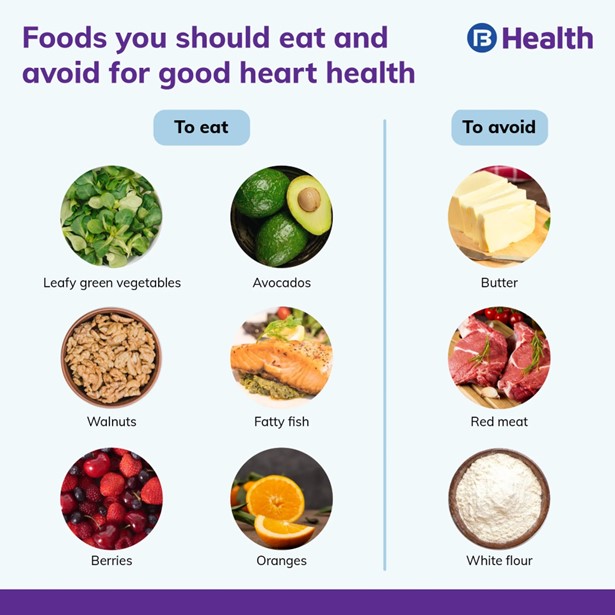
A nurse is teaching about implementing a heart-healthy diet to a client who has coronary artery disease. Which of the following foods should the nurse recommend to the client?
A. Canned potato soup
Canned potato soup: Canned potato soup often contains high levels of sodium and may also be high in saturated fat, depending on the specific brand and recipe. Excess sodium intake can lead to high blood pressure, which is a risk factor for coronary artery disease. Therefore, canned potato soup is not an ideal choice for a heart-healthy diet.
B. Baked ham
Baked ham: Baked ham is typically high in saturated fat and sodium, which are not favorable for a heart-healthy diet. Consuming excessive amounts of saturated fat can contribute to high cholesterol levels and increase the risk of coronary artery disease.
C. Broiled salmon
Broiled salmon: Broiled salmon is an excellent choice for a heart-healthy diet. It is rich in omega-3 fatty acids, which have been shown to have cardiovascular benefits, including reducing the risk of heart disease. Salmon is also a good source of lean protein and contains less saturated fat compared to red meats. It is recommended to choose broiled or grilled salmon rather than fried or breaded preparations to minimize added fats and oils.
D. Processed cheese
Processed cheese: Processed cheese, such as cheese slices or spreads, tends to be high in saturated fat and sodium. These types of cheeses are not the best choice for a heart-healthy diet. It is better to opt for natural, low-fat cheeses or other dairy alternatives that are lower in saturated fat and sodium.
Full Explanation
Baked ham: Baked ham is typically high in saturated fat and sodium, which are not favorable for a heart-healthy diet. Consuming excessive amounts of saturated fat can contribute to high cholesterol levels and increase the risk of coronary artery disease.
Canned potato soup: Canned potato soup often contains high levels of sodium and may also be high in saturated fat, depending on the specific brand and recipe. Excess sodium intake can lead to high blood pressure, which is a risk factor for coronary artery disease. Therefore, canned potato soup is not an ideal choice for a heart-healthy diet.
Broiled salmon: Broiled salmon is an excellent choice for a heart-healthy diet. It is rich in omega-3 fatty acids, which have been shown to have cardiovascular benefits, including reducing the risk of heart disease. Salmon is also a good source of lean protein and contains
less saturated fat compared to red meats. It is recommended to choose broiled or grilled salmon rather than fried or breaded preparations to minimize added fats and oils.
Processed cheese: Processed cheese, such as cheese slices or spreads, tends to be high in saturated fat and sodium. These types of cheeses are not the best choice for a heart-healthy diet. It is better to opt for natural, low-fat cheeses or other dairy alternatives that are lower in saturated fat and sodium.
A nurse is providing teaching to a client who has dumping syndrome. Which of the following instructions should the nurse include in the teaching?
A. "Eat protein at each meal."
"Eat protein at each meal": This is an important instruction for a client with dumping syndrome. Including protein at each meal can help slow down the digestion process and reduce the rapid emptying of the stomach contents into the small intestine, which is characteristic of dumping syndrome. Protein takes longer to digest and can help stabilize blood sugar levels, promote satiety, and minimize the symptoms of dumping syndrome.
B. "Consume three large meals daily."
"Consume three large meals daily": Consuming three large meals daily is not recommended for clients with dumping syndrome. Large meals can exacerbate the symptoms by overloading the digestive system. Instead, it is generally advised to consume smaller, more frequent meals throughout the day to help manage dumping syndrome symptoms.
C. "Drink beverages with meals."
"Drink beverages with meals": It is not recommended to drink beverages with meals for clients with dumping syndrome. Consuming liquids with meals can further contribute to the rapid emptying of the stomach contents and worsen symptoms. It is preferable to drink fluids between meals to maintain hydration without affecting the digestion process.
D. "Sit up in bed after meals."
"Sit up in bed after meals": This instruction is relevant for clients with gastroesophageal reflux disease (GERD) but may not be specifically related to dumping syndrome. In the case of dumping syndrome, it is generally recommended to remain in an upright position after meals to aid digestion and reduce symptoms, such as bloating, cramping, and diarrhea.
Full Explanation
"Eat protein at each meal": This is an important instruction for a client with dumping syndrome. Including protein at each meal can help slow down the digestion process and reduce the rapid emptying of the stomach contents into the small intestine, which is characteristic of dumping syndrome. Protein takes longer to digest and can help stabilize blood sugar levels, promote satiety, and minimize the symptoms of dumping syndrome.
"Consume three large meals daily": Consuming three large meals daily is not recommended for clients with dumping syndrome. Large meals can exacerbate the symptoms by overloading the digestive system. Instead, it is generally advised to consume smaller, more frequent meals throughout the day to help manage dumping syndrome symptoms.
"Drink beverages with meals": It is not recommended to drink beverages with meals for clients with dumping syndrome. Consuming liquids with meals can further contribute to the rapid emptying of the stomach contents and worsen symptoms. It is preferable to drink fluids between meals to maintain hydration without affecting the digestion process.
"Sit up in bed after meals": This instruction is relevant for clients with gastroesophageal reflux disease (GERD) but may not be specifically related to dumping syndrome. In the case of dumping syndrome, it is generally recommended to remain in an upright position after meals to aid digestion and reduce symptoms, such as bloating, cramping, and diarrhea.
A nurse is providing teaching to a client who has heart failure about limiting sodium intake to 1,000 mg/day. The nurse should inform the client that which of the following dairy products has the highest sodium content?
A. 1/2 cup yogurt
1/2 cup yogurt: Yogurt generally has a lower sodium content compared to processed cheese. However, the sodium content can vary depending on the brand and type of yogurt. It is advisable to choose plain or low-sodium yogurt to minimize sodium intake.
B. 2 oz processed cheese
2 oz processed cheese: Processed cheese, including cheese slices or spreads, tends to have a higher sodium content compared to other dairy products. The processing methods used in the production of processed cheese often involve the addition of sodium-containing ingredients to enhance flavor and improve texture.
C. 1 cup milk
1 cup milk: Plain milk, such as cow's milk, typically has a lower sodium content compared to processed cheese. However, it is important to note that flavored or sweetened milk products may contain added sugars and other ingredients that can increase sodium content. Choosing unsweetened or low-sodium varieties is recommended.
D. 4 oz vanilla pudding
4 oz vanilla pudding: While some commercial pudding mixes may contain sodium, the sodium content in vanilla pudding is generally lower compared to processed cheese. However, it is important to read food labels and choose lower sodium options or consider homemade versions to better control sodium intake.
Full Explanation
2 oz processed cheese: Processed cheese, including cheese slices or spreads, tends to have a higher sodium content compared to other dairy products. The processing methods used in the production of processed cheese often involve the addition of sodium-containing ingredients to enhance flavor and improve texture.
1/2 cup yogurt: Yogurt generally has a lower sodium content compared to processed cheese. However, the sodium content can vary depending on the brand and type of yogurt. It is advisable to choose plain or low-sodium yogurt to minimize sodium intake.
1 cup milk: Plain milk, such as cow's milk, typically has a lower sodium content compared to processed cheese. However, it is important to note that flavored or sweetened milk products may contain added sugars and other ingredients that can increase sodium content. Choosing unsweetened or low-sodium varieties is recommended.
4 oz vanilla pudding: While some commercial pudding mixes may contain sodium, the sodium content in vanilla pudding is generally lower compared to processed cheese. However, it is important to read food labels and choose lower sodium options or consider homemade versions to better control sodium intake.