
Nursing practice questions with comprehensive rationales
NurseDive Free Nursing Practice Question
A nurse is reinforcing teaching about self-administration of nasal drops with a client. Which of the following positions should the nurse recommend for instillation of the drops?
A. Sims
Simsposition is a side-lying position with the upper leg flexed. This position is often used for rectal examinations or procedures and is not suitable for instilling nasal drops.
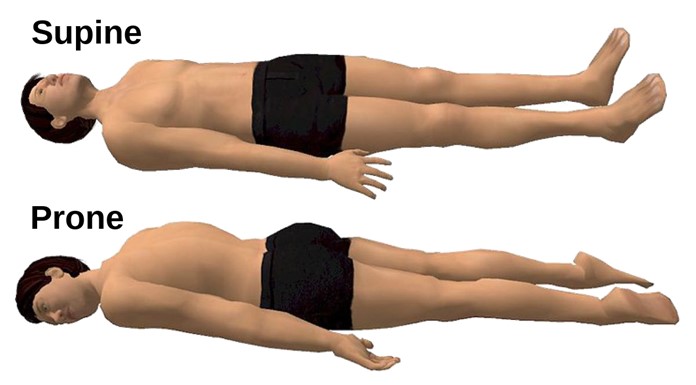
B. Prone
Prone position refers to lying face down. It is not ideal for administering nasal drops as it can obstruct proper access to the nostrils and make it difficult to instill the drops accurately.
C. Supine
When instructing a client on self-administration of nasal drops, the nurse should recommend the supine position. In the supine position, the client lies on their back with the head slightly elevated. This position allows for easy access to the nostrils and facilitates the proper instillation of the nasal drops.
D. Orthopneic
Orthopneic position is a sitting position with the upper body supported by pillows. It is commonly used by individuals with respiratory distress to facilitate breathing. However, it is not specifically recommended for administering nasal drops as it may not provide optimal access to the nostrils for proper instillation.
This question is an excerpt from Nurse Dive's nursing test bank - VATI PN Comprehensive Predictor 2020 Proctored Exam. Take the full exam now
Full Explanation
When instructing a client on self-administration of nasal drops, the nurse should recommend the supine position. In the supine position, the client lies on their back with the head slightly elevated. This position allows for easy access to the nostrils and facilitates the proper instillation of the nasal drops.
The other options are not recommended for instillation of nasal drops for various reasons:
a) Sims position: Sims position is a side-lying position with the upper leg flexed. This position is often used for rectal examinations or procedures and is not suitable for instilling nasal drops.
b) Prone position: Prone position refers to lying face down. It is not ideal for administering nasal drops as it
can obstruct proper access to the nostrils and make it difficult to instill the drops accurately.
d) Orthopneic position: Orthopneic position is a sitting position with the upper body supported by pillows. It is commonly used by individuals with respiratory distress to facilitate breathing. However, it is not specifically recommended for administering nasal drops as it may not provide optimal access to the nostrils for proper instillation.
Similar Questions
A nurse is assisting with planning care for a newly admited client who has anorexia nervosa. Which of the following interventions should the nurse recommend to include in the plan of care?
A. Encourage the client to gain 2.3 kg (5 lb) per week.
encouraging the client to gain 2.3 kg (5 lb) per week, is not a realistic or healthy goal for weight gain in the context of anorexia nervosa. Rapid weight gain can be physically and psychologically overwhelming for the client and may reinforce disordered eating behaviors. Therefore, it is not an appropriate intervention.
B. Monitor the client for 15 min after meals.
Monitor the client for 15 min after meals: Monitoring the client for 15 minutes after meals is a key intervention, but it is generally done to prevent purging behaviors or ensure that the client does not engage in self-induced vomiting after eating. While monitoring post-meal is important, this specific duration may vary depending on the client’s condition and behavior patterns.
C. Weigh the client each morning after voiding
Weigh the client each morning after voiding: Weighing the client in the morning after voiding is the standard practice for monitoring weight in clients with anorexia nervosa. This helps ensure consistency in the measurement of weight, as fluctuations throughout the day (due to food, fluid intake, etc.) can affect the accuracy of weight assessment.
D. Reinforce teaching about healthy eating during meals
reinforcing teaching about healthy eating during meals, is also an important intervention. Although individuals with anorexia nervosa have distorted thoughts and beliefs related to food, providing education and support during meals can help them develop a healthier relationship with food and challenge their disordered eating behaviors and beliefs.
Full Explanation
C. Weigh the client each morning after voiding: Weighing the client in the morning after voiding is the standard practice for monitoring weight in clients with anorexia nervosa. This helps ensure consistency in the measurement of weight, as fluctuations throughout the day (due to food, fluid intake, etc.) can affect the accuracy of weight assessment.
A nurse is preparing to administer required immunizations to a toddler during a well-child visit. The parent asks the nurse how many baby aspirins he should administer if the toddler develops a fever.
Which of the following responses should the nurse make?
A. "You should follow the label directions based on your child's weight."
May not specifically address the use of aspirin in children and the risk of Reye's syndrome.
B. "You should avoid administering aspirin to your child."
The nurse should respond by recommending that the parent avoids administering aspirin to the child. The use of aspirin in children, especially those under the age of 18, is associated with the risk of developing Reye's syndrome, a rare but serious condition that affects the liver and brain. It is important to educate parents about the potential risks of using aspirin in children, particularly when they have a fever. Instead, the nurse should advise the parent to use appropriate dosages of acetaminophen or ibuprofen based on the child's weight and follow the label directions for administration.
C. "Your child will require an antibiotic if she develops a fever."
Antibiotics are not indicated for all fevers and should only be prescribed if there is an underlying bacterial infection.
D. "Your child can have two baby aspirins every 4 hours."
Contradicts the recommendation to avoid administering aspirin to the child.
Full Explanation
Explanation:
The nurse should respond by recommending that the parent avoids administering aspirin to the child. The use of aspirin in children, especially those under the age of 18, is associated with the risk of developing Reye's syndrome, a rare but serious condition that affects the liver and brain. It is important to educate parents about the potential risks of using aspirin in children, particularly when they have a fever. Instead, the nurse should advise the parent to use appropriate dosages of acetaminophen or ibuprofen based on the child's weight and follow the label directions for administration.
Option a suggests following the label directions based on the child's weight, which may not specifically address the use of aspirin in children and the risk of Reye's syndrome. Option c, stating that the child will require an antibiotic if she develops a fever, is incorrect because antibiotics are not indicated for all fevers and should only be prescribed if there is an underlying bacterial infection. Option d, suggesting that the child can have two baby aspirins every 4 hours, is incorrect and contradicts the recommendation to avoid administering aspirin to the child.
A nurse is caring for a client who has COPD. The nurse should identify that which of the following findings is the priority to report?
A. Hgb 20 g/dL
A) Hgb 20 g/dL: A hemoglobin level of 20 g/dL is elevated and suggests polycythemia, which can occur in chronic respiratory conditions like COPD due to chronic hypoxia. Elevated hemoglobin levels can increase blood viscosity, leading to complications such as increased risk of thrombosis and cardiovascular stress. This finding indicates a potentially serious issue and should be reported to the healthcare provider immediately to address any underlying causes and manage the client's condition effectively.
B. Oxygen saturation 92%
B) Oxygen saturation 92%: An oxygen saturation of 92% is slightly below the typical normal range (95-100%) but is not immediately life-threatening. While it indicates mild hypoxemia, it is a common finding in COPD patients, and the management would typically involve supplemental oxygen or adjustment of therapy. This finding should be monitored but is not the most critical issue to report immediately.
C. Productive cough with green sputum
C) Productive cough with green sputum: A productive cough with green sputum suggests a possible infection or exacerbation of COPD. Although this is an important finding that requires evaluation and possible treatment, it is less critical than an elevated hemoglobin level, which indicates a more acute systemic issue. The green sputum should be reported and managed, but it is not the priority compared to the elevated hemoglobin.
D. Chest x-ray shows hyperinflation of lungs
D) Chest x-ray shows hyperinflation of lungs: Hyperinflation of the lungs is a common radiological finding in COPD due to air trapping. While it is a significant finding, it is generally consistent with the disease's progression and does not indicate an acute problem requiring immediate intervention. Monitoring and managing the underlying COPD are necessary, but this finding is less urgent than the elevated hemoglobin.
Full Explanation
Answer: A
Rationale:
A) Hgb 20 g/dL:
A hemoglobin level of 20 g/dL is elevated and suggests polycythemia, which can occur in chronic respiratory conditions like COPD due to chronic hypoxia. Elevated hemoglobin levels can increase blood viscosity, leading to complications such as increased risk of thrombosis and cardiovascular stress. This finding indicates a potentially serious issue and should be reported to the healthcare provider immediately to address any underlying causes and manage the client's condition effectively.
B) Oxygen saturation 92%:
An oxygen saturation of 92% is slightly below the typical normal range (95-100%) but is not immediately life-threatening. While it indicates mild hypoxemia, it is a common finding in COPD patients, and the management would typically involve supplemental oxygen or adjustment of therapy. This finding should be monitored but is not the most critical issue to report immediately.
C) Productive cough with green sputum:
A productive cough with green sputum suggests a possible infection or exacerbation of COPD. Although this is an important finding that requires evaluation and possible treatment, it is less critical than an elevated hemoglobin level, which indicates a more acute systemic issue. The green sputum should be reported and managed, but it is not the priority compared to the elevated hemoglobin.
D) Chest x-ray shows hyperinflation of lungs:
Hyperinflation of the lungs is a common radiological finding in COPD due to air trapping. While it is a significant finding, it is generally consistent with the disease's progression and does not indicate an acute problem requiring immediate intervention. Monitoring and managing the underlying COPD are necessary, but this finding is less urgent than the elevated hemoglobin.