
Nursing practice questions with comprehensive rationales
NurseDive Free Nursing Practice Question
A nurse is reinforcing teaching about TNM staging with a client who has cancer. Which of the following information should the nurse include in the teaching?
A. N0 indicates presence of regional lymph node involvement.
Reason: N0 does not indicate presence of regional lymph node involvement, but absence of it. N1 to N3 indicate increasing degrees of regional lymph node involvement.
B. TIS indicates that a tumor has been resolved.
Reason: TIS does not indicate that a tumor has been resolved, but that it is in situ, meaning that it is confined to the original site and has not invaded deeper tissues.
C. T4 indicates a tumor at its smallest size.
Reason: T4 does not indicate a tumor at its smallest size, but at its largest size. T1 to T4 indicate increasing sizes or extents of the primary tumor.
D. M1 indicates tumor metastasis to a single site.
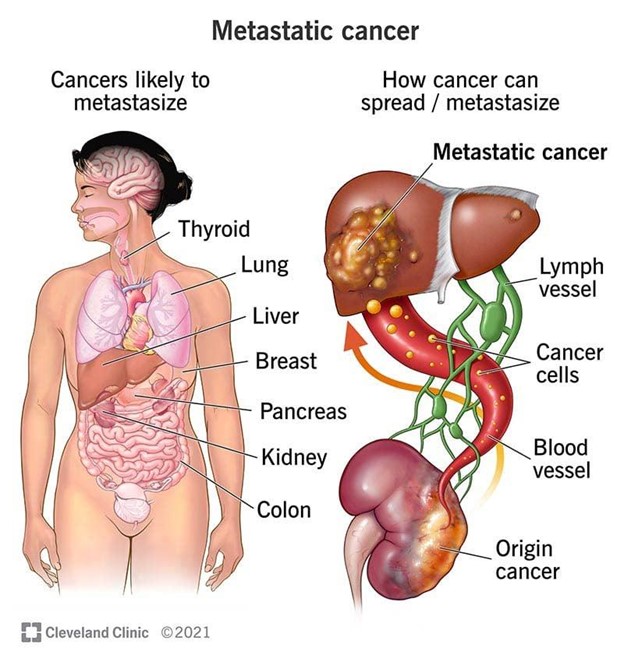
Reason: M1 indicates tumor metastasis to a single site, meaning that the cancer has spread to another organ or distant lymph node. M0 indicates no distant metastasis.
This question is an excerpt from Nurse Dive's nursing test bank - ATI Med Surg Proctored Exam 3. Take the full exam now
Full Explanation
Choice A Reason: N0 does not indicate presence of regional lymph node involvement, but absence of it. N1 to N3 indicate increasing degrees of regional lymph node involvement.
Choice B Reason: TIS does not indicate that a tumor has been resolved, but that it is in situ, meaning that it is confined to the original site and has not invaded deeper tissues.
Choice C Reason: T4 does not indicate a tumor at its smallest size, but at its largest size. T1 to T4 indicate increasing sizes or extents of the primary tumor.
Choice D Reason: M1 indicates tumor metastasis to a single site, meaning that the cancer has spread to another organ or distant lymph node. M0 indicates no distant metastasis.
Similar Questions
What should the nurse do first when a client with a head injury begins to have clear drainage from the nose?
A. Compress the nares.
Reason: Compressing the nares is not the first action that the nurse should take, as it may increase intracranial pressure and worsen the head injury.
B. Administer decongestant for postnasal drip.
Reason: Administering decongestant for postnasal drip is not the first action that the nurse should take, as it may mask the signs of cerebrospinal fluid (CSF) leakage and delay diagnosis and treatment.
C. Tilt the head back.
Reason: Tilting the head back is not the first action that the nurse should take, as it may cause aspiration of CSF or blood and increase the risk of infection.
D. Collect the drainage.
Reason: Collecting the drainage is the first action that the nurse should take, as it helps to identify if the drainage is CSF or nasal secretions, and to monitor the amount and characteristics of the drainage.
Full Explanation
Choice A Reason: Compressing the nares is not the first action that the nurse should take, as it may increase intracranial pressure and worsen the head injury.
Choice B Reason: Administering decongestant for postnasal drip is not the first action that the nurse should take, as it may mask the signs of cerebrospinal fluid (CSF) leakage and delay diagnosis and treatment.
Choice C Reason: Tilting the head back is not the first action that the nurse should take, as it may cause aspiration of CSF or blood and increase the risk of infection.
Choice D Reason: Collecting the drainage is the first action that the nurse should take, as it helps to identify if the drainage is CSF or nasal secretions, and to monitor the amount and characteristics of the drainage.
A nurse is reinforcing teaching about TNM staging with a client who has cancer. Which of the following information should the nurse include in the teaching?
A. N0 indicates presence of regional lymph node involvement.
Reason: N0 does not indicate presence of regional lymph node involvement, but absence of it. N1 to N3 indicate increasing degrees of regional lymph node involvement.
B. TIS indicates that a tumor has been resolved.
Reason: TIS does not indicate that a tumor has been resolved, but that it is in situ, meaning that it is confined to the original site and has not invaded deeper tissues.
C. T4 indicates a tumor at its smallest size.
Reason: T4 does not indicate a tumor at its smallest size, but at its largest size. T1 to T4 indicate increasing sizes or extents of the primary tumor.
D. M1 indicates tumor metastasis to a single site.
Reason: M1 indicates tumor metastasis to a single site, meaning that the cancer has spread to another organ or distant lymph node. M0 indicates no distant metastasis.
Full Explanation
Choice A Reason: N0 does not indicate presence of regional lymph node involvement, but absence of it. N1 to N3 indicate increasing degrees of regional lymph node involvement.
Choice B Reason: TIS does not indicate that a tumor has been resolved, but that it is in situ, meaning that it is confined to the original site and has not invaded deeper tissues.
Choice C Reason: T4 does not indicate a tumor at its smallest size, but at its largest size. T1 to T4 indicate increasing sizes or extents of the primary tumor.
Choice D Reason: M1 indicates tumor metastasis to a single site, meaning that the cancer has spread to another organ or distant lymph node. M0 indicates no distant metastasis.
A client diagnosed with esophageal varices has a Sengstaken-Blakemore tube. What is the most important safety intervention for this client?
A. Keeping scissors at the bedside
Reason: Keeping scissors at the bedside is the most important safety intervention for this client, as it allows for quick removal of the tube in case of airway obstruction or bleeding.
B. Providing good mouth care
Reason: Providing good mouth care is an important intervention for this client, but it is not the most important, as it helps to prevent oral infections and discomfort.
C. Deflating the balloon on a regular basis
Reason: Deflating the balloon on a regular basis is not an appropriate intervention for this client, as it may cause bleeding or displacement of the tube.
D. Monitoring IV fluid intake
Reason: Monitoring IV fluid intake is an important intervention for this client, but it is not the most important, as it helps to prevent fluid overload or dehydration.
Full Explanation
Choice A Reason: Keeping scissors at the bedside is the most important safety intervention for this client, as it allows for quick removal of the tube in case of airway obstruction or bleeding.
Choice B Reason: Providing good mouth care is an important intervention for this client, but it is not the most important, as it helps to prevent oral infections and discomfort.
Choice C Reason: Deflating the balloon on a regular basis is not an appropriate intervention for this client, as it may cause bleeding or displacement of the tube.
Choice D Reason: Monitoring IV fluid intake is an important intervention for this client, but it is not the most important, as it helps to prevent fluid overload or dehydration.