
Nursing practice questions with comprehensive rationales
NurseDive Free Nursing Practice Question
A nurse is reviewing client care assignments prior to the beginning of a shift. Which of the following client assignments should the nurse identify as being outside the scope of practice for an LPN?
A. A client who has a new onset of chest pain
The nurse should identify that caring for a client who has a new onset of chest pain is outside the scope of practice for an LPN. This is a complex and potentially life-threatening situation that requires the assessment and intervention of a registered nurse (RN) or other advanced practice provider.
B. A client who has a tracheostomy
Caring for a client who has a tracheostomy is within the scope of practice for an LPN.
C. A client who is receiving enteral feedings
Caring for a client who is receiving enteral feedings is within the scope of practice for an LPN.
D. A client who has urinary retention
Caring for a client who has urinary retention is within the scope of practice for an LPN.
This question is an excerpt from Nurse Dive's nursing test bank - VATI PN Comprehensive Predictor 2020 Proctored Exam. Take the full exam now
Full Explanation
The nurse should identify that caring for a client who has a new onset of chest pain is outside the scope of practice for an LPN. This is a complex and potentially life-threatening situation that requires the assessment and intervention of a registered nurse (RN) or other advanced practice provider.
b) Caring for a client who has a tracheostomy is within the scope of practice for an LPN.
c) Caring for a client who is receiving enteral feedings is within the scope of practice for an LPN.
d) Caring for a client who has urinary retention is within the scope of practice for an LPN.
Similar Questions
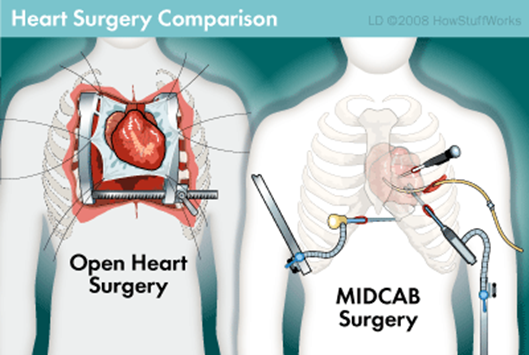
A nurse is caring for a client who is scheduled for open heart surgery. The client states, "I am confident I will be able to go home a few hours after the surgery." The nurse should identify that the client is experiencing which of the following stages of grief?
A. Anger
Anger: Anger is a stage of grief characterized by feelings of resentment, frustration, and hostility. It is common for individuals to experience anger as part of the grief process, but the client's statement does not indicate anger.
B. Depression
Depression: Depression is another stage of grief marked by feelings of sadness, hopelessness, and loss. While it is normal for individuals to experience some level of anxiety or sadness before undergoing surgery, the client's statement does not specifically reflect depression.
C. Denial
The nurse should identify that the client is experiencing the stage of denial in the grief process. Denial is a common psychological defense mechanism that individuals may exhibit when faced with a stressful or overwhelming situation, such as the prospect of open heart surgery. It involves a refusal to accept or acknowledge the reality of the situation. In this case, the client's statement of being confident to go home shortly after surgery demonstrates a denial of the potential challenges and recovery process associated with such a procedure.
D. Acceptance
Acceptance: Acceptance is the final stage of grief, where individuals come to terms with their situation and find a sense of peace or resolution. The client's statement indicates a lack of acceptance as they are denying the potential impact of the surgery and its recovery process.
Full Explanation
The correct answer and explanation is:
c. Denial
The nurse should identify that the client is experiencing the stage of denial in the grief process. Denial is a common psychological defense mechanism that individuals may exhibit when faced with a stressful or overwhelming situation, such as the prospect of open heart surgery. It involves a refusal to accept or acknowledge the reality of the situation. In this case, the client's statement of being confident to go home shortly after surgery demonstrates a denial of the potential challenges and recovery process associated with such a procedure.
Explanation for the other options:
A . Anger: Anger is a stage of grief characterized by feelings of resentment, frustration, and hostility. It is common for individuals to experience anger as part of the grief process, but the client's statement does not indicate anger.
B. Depression: Depression is another stage of grief marked by feelings of sadness, hopelessness, and loss. While it is normal for individuals to experience some level of anxiety or sadness before undergoing surgery, the client's statement does not specifically reflect depression.
d. Acceptance: Acceptance is the final stage of grief, where individuals come to terms with their situation and find a sense of peace or resolution. The client's statement indicates a lack of acceptance as they are denying the potential impact of the surgery and its recovery process.
A nurse in a long-term care facility has received change-of-shift report about four clients. Which of the following clients should the nurse attend to first?
A. A client who has heart failure and is incontinent of urine
A client who has heart failure and is incontinent of urine requires atention, but their needs are not as urgent as those of the client with COPD and agitation.
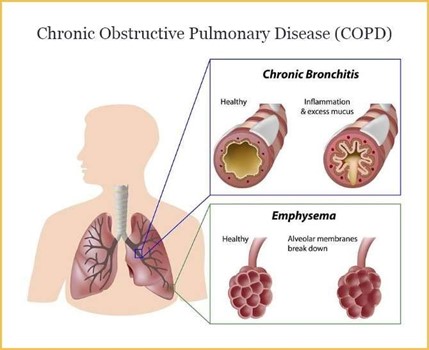
B. A client who has COPD and dementia and was agitated during the night shift
The nurse should attend to the client who has COPD and dementia and was agitated during the night shift first. This client may be experiencing respiratory distress or other complications related to their COPD and requires immediate assessment and intervention.
C. A client who had a hip arthroplasty 10 days ago and reports pain with ambulation
A client who had a hip arthroplasty 10 days ago and reports pain with ambulation requires attention, but their needs are not as urgent as those of the client with COPD and agitation.
D. A client who had a cerebrovascular accident 6 months ago and reports constipation
A client who had a cerebrovascular accident 6 months ago and reports constipation requires attention, but their needs are not as urgent as those of the client with COPD and agitation.
Full Explanation
The nurse should atend to the client who has COPD and dementia and was agitated during the night shift first. This client may be experiencing respiratory distress or other complications related to their COPD and requires immediate assessment and intervention.
a) A client who has heart failure and is incontinent of urine requires atention, but their needs are not as urgent as those of the client with COPD and agitation.
c) A client who had a hip arthroplasty 10 days ago and reports pain with ambulation requires atention, but their needs are not as urgent as those of the client with COPD and agitation.
d) A client who had a cerebrovascular accident 6 months ago and reports constipation requires attention, but their needs are not as urgent as those of the client with COPD and agitation.
A nurse is preparing a client who has a small bowel obstruction for insertion of a nasogastric tube. Which of the following equipment should the nurse gather prior to the procedure?
A. Suction device
The nurse should gather a suction device prior to the insertion of a nasogastric tube for a client with a small bowel obstruction. A nasogastric tube is inserted to decompress the stomach and relieve pressure in cases of bowel obstruction. As part of the procedure, suctioning may be necessary to remove gastric contents or relieve any gastric distension. Therefore, having a suction device readily available is essential.
B. Infusion pump
Infusion pump: An infusion pump is not necessary for the insertion of a nasogastric tube. The purpose of the nasogastric tube in this case is not to administer fluids or medications but to decompress the stomach.
C. Disposable feeding bag
Disposable feeding bag: A disposable feeding bag is not specifically required for the insertion of a nasogastric tube. The purpose of the nasogastric tube in this scenario is not to administer feedings, but rather to decompress the stomach.
D. Sterile gloves
Sterile gloves: While sterile gloves may be used during certain procedures, such as the insertion of a central venous catheter, they are not typically required for the insertion of a nasogastric tube. Standard precautions, including clean gloves and proper hand hygiene, are usually sufficient for this procedure.