
Nursing practice questions with comprehensive rationales
NurseDive Free Nursing Practice Question
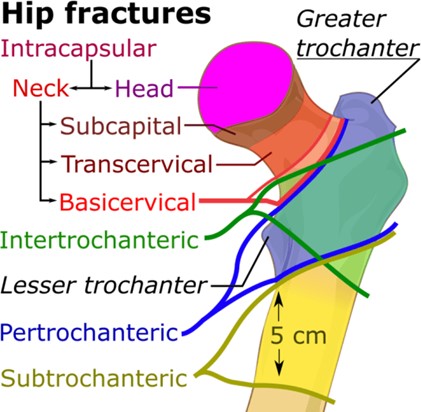
An older adult client on an orthopedic unit has an intracapsular fracture of the right hip following a fall. The client is in Buck's traction and will have hip prosthesis surgery in the morning. The nurse should reinforce with the client that this type of traction promotes which of the following outcomes?
A. Reduction of the fracture
Reduction of the fracture is not the primary purpose of Buck's traction.
B. Support for moving the extremity
Support for moving the extremity is not a primary outcome of Buck's traction.
C. Alignment of the pins
Alignment of the pins is not applicable to Buck's traction as it does not involve inserting pins into the bone.
D. Relief from muscle spasms
The nurse should reinforce to the client that Buck's traction promotes relief from muscle spasms. Buck's traction is a type of skin traction that is widely used for fractures of the femur and hip². It uses splints, bandages, and adhesive tapes to position a limb near the fracture and then applies pressure using weights and pulleys. One of the goals of Buck's traction is to lessen or eliminate muscular spasms.
This question is an excerpt from Nurse Dive's nursing test bank - ATI Custom MS Nurse Proctored Exam. Take the full exam now
Full Explanation
The nurse should reinforce to the client that Buck's traction promotes relief from muscle spasms. Buck's traction is a type of skin traction that is widely used for fractures of the femur and hip². It uses splints, bandages, and adhesive tapes to position a limb near the fracture and then applies pressure using weights and pulleys. One of the goals of Buck's traction is to lessen or eliminate muscular spasms.
a. Reduction of the fracture is not the primary purpose of Buck's traction.
b. Support for moving the extremity is not a primary outcome of Buck's traction.
c. Alignment of the pins is not applicable to Buck's traction as it does not involve inserting pins into the
bone.
Similar Questions
A nurse is planning care for several clients and is considering the clients' risk for stroke. Which of the following conditions places the client at risk for an ischemic embolic stroke?
A. A client who has an arteriovenous malformation
A client who has an arteriovenous malformation is not at risk for an ischemic embolic stroke.
B. A client who has thrombocytopenia
A client who has thrombocytopenia is not at risk for an ischemic embolic stroke.
C. A client who has chronic atrial fibrillation
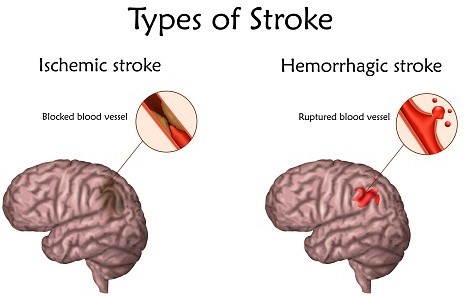
A client who has chronic atrial fibrillation is at risk for an ischemic embolic stroke. An ischemic embolic stroke occurs when a blood clot that forms in one part of the body travels to the brain and blocks blood flow. Atrial fibrillation is a type of irregular heart rhythm that can cause blood to pool, thicken, and clot in the heart or arteries near it. Pieces of these clots can travel to the brain and cause an ischemic embolic stroke.
D. A client who has uncontrolled hypertension
A client who has uncontrolled hypertension is at risk for a stroke but not specifically an ischemic embolic stroke.
Full Explanation
A client who has chronic atrial fibrillation is at risk for an ischemic embolic stroke. An ischemic embolic stroke occurs when a blood clot that forms in one part of the body travels to the brain and blocks blood flow. Atrial fibrillation is a type of irregular heart rhythm that can cause blood to pool, thicken, and clot in the heart or arteries near it. Pieces of these clots can travel to the brain and cause an ischemic embolic stroke.
a. A client who has an arteriovenous malformation is not at risk for an ischemic embolic stroke.
b. A client who has thrombocytopenia is not at risk for an ischemic embolic stroke.
d. A client who has uncontrolled hypertension is at risk for a stroke but not specifically an ischemic embolic
stroke.
A nurse is reinforcing teaching with a client who has an ankle sprain. Which of the following instructions should the nurse include?
A. Apply the elastic compression dressing tight enough so the toes and ankle become numb.
The elastic compression dressing should not be applied so tight that it causes numbness in the toes and ankle.
B. Place moderate weight on the affected leg when walking.
The client should avoid placing weight on the affected leg when walking until advised by a healthcare provider.
C. Elevate the affected ankle to the level of the heart.
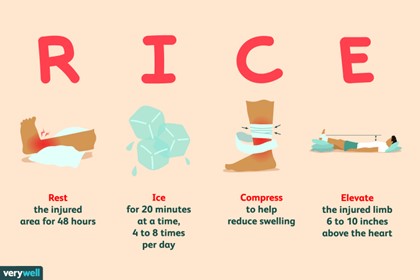
The nurse should instruct the client to elevate the affected ankle to the level of the heart. Elevation helps to reduce swelling and pain by promoting venous return and decreasing blood flow to the injured area. This is an important part of the RICE (Rest, Ice, Compression, Elevation) method for treating sprains and strains.
D. Apply heat during the first 24 hr.
Heat should not be applied during the first 24 hours after a sprain as it can increase swelling and inflammation.
Full Explanation
The nurse should instruct the client to elevate the affected ankle to the level of the heart. Elevation helps to reduce swelling and pain by promoting venous return and decreasing blood flow to the injured area. This is an important part of the RICE (Rest, Ice, Compression, Elevation) method for treating sprains and strains.
a. The elastic compression dressing should not be applied so tight that it causes numbness in the toes and ankle.
b. The client should avoid placing weight on the affected leg when walking until advised by a healthcare provider.
d. Heat should not be applied during the first 24 hours after a sprain as it can increase swelling and inflammation.
A nurse is collecting data from a client who has a short arm cast for a fractured wrist. Which of the following findings indicates impaired venous return in the affected arm?
A. Auscultation of lungs revealing wheezing
Auscultation of lungs revealing wheezing is not related to venous return in the affected arm. Wheezing is a high-pitched whistling sound made while breathing and is usually a sign of a respiratory problem.
B. A bounding distal pulse
A bounding distal pulse indicates strong arterial blood flow, which is not a sign of impaired venous return. Impaired venous return would more likely result in a weak or absent pulse.
C. Fever
Fever could indicate infection but is not specific to impaired venous return. It's a systemic sign that may or may not be related to the cast or the fracture.
D. Pain unrelieved by opioid analgesic
Pain that is unrelieved by opioid analgesics can be a sign of compartment syndrome, which is a serious complication that can result from impaired venous return and increased pressure within the muscle compartments. This requires immediate medical attention to prevent permanent damage.
Full Explanation
a. Auscultation of lungs revealing wheezing is not related to venous return in the affected arm. Wheezing is
a high-pitched whistling sound made while breathing and is usually a sign of a respiratory problem.
b. A bounding distal pulse indicates strong arterial blood flow, which is not a sign of impaired venous return. Impaired venous return would more likely result in a weak or absent pulse.
c. Fever could indicate infection but is not specific to impaired venous return. It's a systemic sign that may or may not be related to the cast or the fracture.
d. Pain that is unrelieved by opioid analgesics can be a sign of compartment syndrome, which is a serious complication that can result from impaired venous return and increased pressure within the muscle compartments. This requires immediate medical attention to prevent permanent damage.