
Nursing practice questions with comprehensive rationales
NurseDive Free Nursing Practice Question
A nurse is reinforcing teaching with a client who has gestational diabetes mellitus.
Which of the following statements by the client indicates an understanding of the teaching?
A. “My baby will be monitored for hypoglycemia after birth.”
This statement indicates an understanding of the teaching because babies born to mothers with gestational diabetes mellitus (GDM) are at risk for low blood sugar (hypoglycemia) after birth due to high insulin levels.
B. “I will check my blood glucose once every 8 hours.”
Choice B is wrong because a client who has GDM should check their blood glucose more frequently than once every 8 hours. The American Diabetes Association recommends checking blood glucose levels before meals and one hour after the start of each meal.
C. “My baby is at risk for being underweight at birth.”
Choice C is wrong because a baby born to a mother with GDM is at risk for being overweight (macrosomia) at birth, not underweight. This can lead to complications such as shoulder dystocia, birth trauma, and cesarean delivery.
D. “I should ensure that only 5 percent of my daily calories come from protein sources.”
Choice D is wrong because a client who has GDM should ensure that about 15 to 20 percent of their daily calories come from protein sources, not 5 percent. Protein helps regulate blood glucose levels and supports fetal growth.
This question is an excerpt from Nurse Dive's nursing test bank - ATI PN Capstone Proctored Comprehensive Assessment 2020 B. Take the full exam now
Full Explanation
This statement indicates an understanding of the teaching because babies born to mothers with gestational diabetes mellitus (GDM) are at risk for low blood sugar (hypoglycemia) after birth due to high insulin levels.
Choice B is wrong because a client who has GDM should check their blood glucose more frequently than once every 8 hours. The American Diabetes Association recommends checking blood glucose levels before meals and one hour after the start of each meal.
Choice C is wrong because a baby born to a mother with GDM is at risk for being overweight (macrosomia) at birth, not underweight. This can lead to complications such as shoulder dystocia, birth trauma, and cesarean delivery.
Choice D is wrong because a client who has GDM should ensure that about 15 to 20 percent of their daily calories come from protein sources, not 5 percent. Protein helps regulate blood glucose levels and supports fetal growth.
Similar Questions
The LPN is discussing childbirth classes with a patient who is 30 weeks gestation. The patient shares that she hopes to deliver a baby who is awake and alert. The LPN is aware of Lamaze and Bradley classes being offered. For which reasons would the LPN recommend Bradley classes to this patient? Select all that apply.
A. The Bradley method teaches the labor partner how to coach and support the mother during labor.
The Bradley method teaches the labor partner how to coach and support the mother during labor. This is true because the Bradley method emphasizes the role of the partner as an active participant and a skilled coach who can help the mother relax, breathe, and cope with pain during labor. The partner also serves as an advocate for the mother's preferences and needs in the hospital setting.
B. The Bradley method teaches the mother and partner about the variety of methods to control pain.
The Bradley method teaches the mother and partner about the variety of methods to control pain. This is false because the Bradley method does not teach a variety of methods to control pain, but rather focuses on relaxation as the main way to reduce pain during labor. The Bradley method also discourages the use of medication or medical interventions for pain relief, unless they are medically necessary.
C. The Bradley method prepares the woman to deliver without medical interventions and medications.
The Bradley method prepares the woman to deliver without medical interventions and medications. This is true because the Bradley method aims to help women have an unmedicated birth with minimal medical intervention. The Bradley method teaches women how to avoid unnecessary interventions and how to cope with natural labor by using relaxation, breathing, nutrition, and exercise. The Bradley method also educates women on how to reduce their risk of having a C-section and what to do if it becomes medically necessary.
D. The Bradley method focuses on muscle control because muscle tension increases the pain of labor.
The Bradley method focuses on muscle control because muscle tension increases the pain of labor. This is false because the Bradley method does not focus on muscle control, but rather on deep and complete relaxation during labor. The Bradley method believes that muscle tension interferes with the natural process of labor and increases pain, so it teaches women how to relax their muscles and let their body do the work.
E. The Bradley method is the most widely used method in the US.
The Bradley method is the most widely used method in the US. This is false because the Bradley method is not the most widely used method in the US, but rather one of several options for natural childbirth. According to a 2017 survey by Listening to Mothers, only 4% of women reported using the Bradley method for their most recent birth, compared to 48% who used Lamaze, 14% who used hypnobirthing, and 9% who used other methods.
Full Explanation
Choice A reason:
The Bradley method teaches the labor partner how to coach and support the mother during labor. This is true because the Bradley method emphasizes the role of the partner as an active participant and a skilled coach who can help the mother relax, breathe, and cope with pain during labor. The partner also serves as an advocate for the mother's preferences and needs in the hospital setting.
Choice B reason:
The Bradley method teaches the mother and partner about the variety of methods to control pain. This is false because the Bradley method does not teach a variety of methods to control pain, but rather focuses on relaxation as the main way to reduce pain during labor. The Bradley method also discourages the use of medication or medical interventions for pain relief, unless they are medically necessary.
Choice C reason:
The Bradley method prepares the woman to deliver without medical interventions and medications. This is true because the Bradley method aims to help women have an unmedicated birth with minimal medical intervention. The Bradley method teaches women how to avoid unnecessary interventions and how to cope with natural labor by using relaxation, breathing, nutrition, and exercise. The Bradley method also educates women on how to reduce their risk of having a C-section and what to do if it becomes medically necessary.
Choice D reason:
The Bradley method focuses on muscle control because muscle tension increases the pain of labor. This is false because the Bradley method does not focus on muscle control, but rather on deep and complete relaxation during labor. The Bradley method believes that muscle tension interferes with the natural process of labor and increases pain, so it teaches women how to relax their muscles and let their bodies do the work.
Choice E reason:
The Bradley method is the most widely used method in the US. This is false because the Bradley method is not the most widely used method in the US, but rather one of several options for natural childbirth. According to a 2017 survey by Listening to Mothers, only 4% of women reported using the Bradley method for their most recent birth, compared to 48% who used Lamaze, 14% who used hypnobirthing, and 9% who used other methods.
A nurse is caring for a client who is at 6 weeks of gestation.
Which of the following laboratory findings should the nurse report to the provider?
A. WBC 7,000/mm³.
Choice A is wrong because WBC 7,000/mm³ is within the normal range for pregnant women, which is 4,500 to 10,000 cells/mcL . A low WBC count would indicate an increased risk of infection, while a high WBC count would indicate inflammation or infection.
B. Hemoglobin 13 g/dL.
Choice B is wrong because hemoglobin 13 g/dL is within the normal range for pregnant women, which is 11 to 14 g/dL . A low hemoglobin level would indicate anemia, while a high hemoglobin level would indicate dehydration or polycythemia.
C. Blood glucose 130 mg/dL.
This is because the normal range of blood glucose for pregnant women is 70- 110 mg/dL . A blood glucose level of 130 mg/dL indicates gestational diabetes, which can have adverse effects on the mother and the fetus.
D. RBC 5.8 million/mm³.
Choice D is wrong because RBC 5.8 million/mm³ is within the normal range for pregnant women, which is 4.2 to 5.9 million/mm³ . A low RBC count would indicate anemia or hemorrhage, while a high RBC count would indicate dehydration or polycythemia.
Full Explanation
Blood glucose 130 mg/dL.
This is because the normal range of blood glucose for pregnant women is 70 - 110 mg/dL .
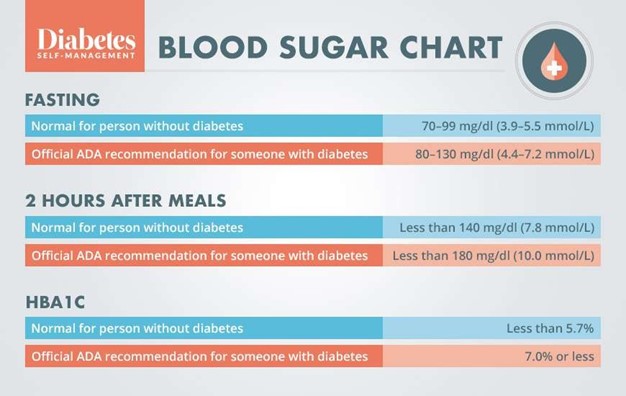
A blood glucose level of 130 mg/dL indicates gestational diabetes, which can have adverse effects on the mother and the fetus.
The nurse should report this finding to the provider and initiate interventions such as dietary counseling, glucose monitoring, and insulin therapy if needed.
Choice A is wrong because WBC 7,000/mm³ is within the normal range for pregnant women, which is 4,500 to 10,000 cells/mcL .
A low WBC count would indicate an increased risk of infection, while a high WBC count would indicate inflammation or infection.
Choice B is wrong because hemoglobin 13 g/dL is within the normal range for pregnant women, which is 11 to 14 g/dL .
A low hemoglobin level would indicate anemia, while a high hemoglobin level would indicate dehydration or polycythemia.
Choice D is wrong because RBC 5.8 million/mm³ is within the normal range for pregnant women, which is 4.2 to 5.9 million/mm³ .
A low RBC count would indicate anemia or hemorrhage, while a high RBC count would indicate dehydration or polycythemia.
A nurse is monitoring a client who has bipolar disorder and is exhibiting manifestations of mania.
Which of the following findings should the nurse expect? (Select all that apply.).
A. Anhedonia.
Choice A is wrong because anhedonia, which means loss of interest or pleasure in activities, is a symptom of depression, not mania.
B. Distractibility.
None
C. Grandiose thinking.
None
D. Overeating.
Choice D is wrong because overeating is not a specific symptom of mania, although some people with bipolar disorder may have changes in appetite or weight during mood episodes.
E. Flight of ideas.
None
Full Explanation
Correct Answers: Distractibility. Grandiose thinking. Flight of ideas.
These are the common symptoms of mania in bipolar disorder.
Some possible explanations for the other choices are:
- Choice A is wrong because anhedonia, which means loss of interest or pleasure in activities, is a symptom of depression, not mania.
- Choice D is wrong because overeating is not a specific symptom of mania, although some people with bipolar disorder may have changes in appetite or weight during mood episodes.