
Nursing practice questions with comprehensive rationales
NurseDive Free Nursing Practice Question
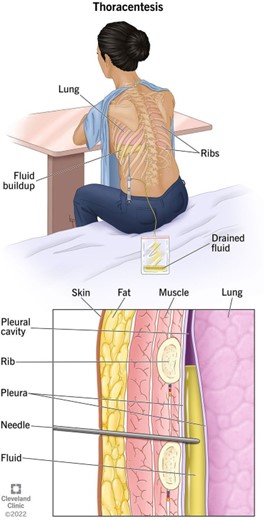
A nurse is reinforcing teaching with a client who is about to undergo a thoracentesis. Which of the
following statements by the client indicates an understanding of the information?
A. I will have general anesthesia during the procedure.
I will have general anesthesia during the procedure": This statement is incorrect. Thoracentesis is typically performed using local anesthesia, which numbs the area where the needle will be inserted. General anesthesia, which induces a state of unconsciousness, is not usually required for this procedure.
B. I will lie flat for 6 hours following the procedure.
This statement is incorrect. While the client may be advised to lie still for a short period after the thoracentesis, it is not necessary for them to lie flat for a full 6 hours. The specific post-procedure instructions may vary depending on the client's condition and the healthcare provider's preferences.
C. I will have a chest x-ray following the procedure
The statement that indicates an understanding of the information provided is "I will have a chest x-ray following the procedure."
D. I will breathe deeply through my nose during the procedure
This question is an excerpt from Nurse Dive's nursing test bank - VATI PN Comprehensive Predictor 2020 Proctored Exam. Take the full exam now
Full Explanation
c. "I will have a chest x-ray following the procedure."
Explanation:
The statement that indicates an understanding of the information provided is "I will have a chest x-ray following the procedure."
Explanation for the other options:
a. "I will have general anesthesia during the procedure":
This statement is incorrect. Thoracentesis is typically performed using local anesthesia, which numbs the area where the needle will be inserted. General anesthesia, which induces a state of unconsciousness, is not usually required for this procedure.
b. "I will lie flat for 6 hours following the procedure":
This statement is incorrect. While the client may be advised to lie still for a short period after the thoracentesis, it is not necessary for them to lie flat for a full 6 hours. The specific post-procedure instructions may vary depending on the client's condition and the healthcare provider's preferences.
d. "I will breathe deeply through my nose during the procedure":
This statement is incorrect. During a thoracentesis, the client is typically asked to sit upright and lean forward to allow beter access to the space between the lungs and chest wall. They may be instructed to take slow, deep breaths and hold their breath for short periods as needed during the procedure to help maintain proper positioning and reduce the risk of complications.
In summary, the statement that demonstrates an understanding of the thoracentesis procedure is "I will have a chest x-ray following the procedure." This indicates the client's awareness of the need for a post- procedure chest x-ray to evaluate the results and ensure the absence of any complications.
Similar Questions
A nurse is collecting data from a client who is postoperative and received hydromorphone 4 mg PO 15 min ago. The client tells the nurse, "My pain level is still 8 on a 0 to 10 scale." Which of the following actions should the nurse take first?
A. Contact the provider to prescribe more pain medication for the client.
It may not be necessary to contact the provider for more pain medication until after reevaluating the client's response to the medication.
B. Teach the client relaxation techniques for the treatment of acute pain.
Teaching relaxation techniques may not provide immediate relief for acute pain.
C. Document the client's reaction to the administration of medication.
Documenting the client's reaction to the administration of medication should be done after reevaluating their response to the medication.
D. Reevaluate the client's response to the medication in 30 min.
The first action the nurse should take is to reevaluate the client's response to the medication in 30 min. Hydromorphone has an onset of action of 15 to 30 minutes when taken orally. Therefore, it may take some time for the medication to reach its full effect.
Full Explanation
The first action the nurse should take is to reevaluate the client's response to the medication in 30 min. Hydromorphone has an onset of action of 15 to 30 minutes when taken orally ¹. Therefore, it may take some time for the medication to reach its full effect.
Option a is incorrect because it may not be necessary to contact the provider for more pain medication until after reevaluating the client's response to the medication.
Option b is incorrect because teaching relaxation techniques may not provide immediate relief for acute pain.
Option c is incorrect because documenting the client's reaction to the administration of medication should be done after reevaluating their response to the medication.
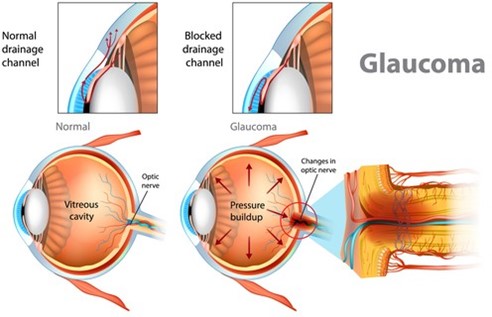
A nurse is reinforcing discharge teaching with a client who is postoperative following laser surgery for open- angle glaucoma. Which of the following statements by the client indicates an understanding of the instructions?
A. I will take a stool softener to prevent constipation
The statement that indicates an understanding of the instructions is "I will take a stool softener to prevent constipation."
B. I will ask to work the night shift, so I will not be driving in bright sunlight
This statement is incorrect. The need to work the night shift to avoid bright sunlight does not relate to the discharge instructions for a client postoperative following laser surgery for open-angle glaucoma. The primary focus of discharge teaching for this condition would be related to eye care, medication administration, and follow-up appointments.
C. I will need to use my eye drops for 1 year
This statement is incorrect. While eye drops are commonly prescribed for open-angle glaucoma, the duration of their use can vary based on the individual's condition and the healthcare provider's instructions. The client should follow the specific instructions given by their healthcare provider regarding the frequency and duration of eye drop use.
D. I will need to follow a low-protein diet
This statement is incorrect. A low-protein diet is not typically part of the discharge instructions for a client postoperative following laser surgery for open-angle glaucoma. The focus of dietary recommendations for open-angle glaucoma is on maintaining a healthy diet and managing other health conditions that may affect intraocular pressure, such as high blood pressure or diabetes.
Full Explanation
a ."I will take a stool softener to prevent constipation."
Explanation:
The statement that indicates an understanding of the instructions is "I will take a stool softener to prevent constipation."
Explanation for the other options:
b. "I will ask to work the night shift, so I will not be driving in bright sunlight."
This statement is incorrect. The need to work the night shift to avoid bright sunlight does not relate to the discharge instructions for a client postoperative following laser surgery for open-angle glaucoma. The primary focus of discharge teaching for this condition would be related to eye care, medication administration, and follow-up appointments.
c. "I will need to use my eye drops for 1 year."
This statement is incorrect. While eye drops are commonly prescribed for open-angle glaucoma, the duration of their use can vary based on the individual's condition and the healthcare provider's instructions. The client should follow the specific instructions given by their healthcare provider regarding the frequency and duration of eye drop use.
d. "I will need to follow a low-protein diet."
This statement is incorrect. A low-protein diet is not typically part of the discharge instructions for a client postoperative following laser surgery for open-angle glaucoma. The focus of dietary recommendations for open-angle glaucoma is on maintaining a healthy diet and managing other health conditions that may affect intraocular pressure, such as high blood pressure or diabetes.
In summary, the statement that demonstrates an understanding of the discharge instructions for a client postoperative following laser surgery for open-angle glaucoma is "I will take a stool softener to prevent constipation." This indicates the client's awareness of the importance of preventing constipation, which can be a side effect of some medications prescribed after surgery.
A client who has inoperable cancer tells the nurse that she does not want to pursue the recommended treatment. She asks if the provider can force her to have the treatment. Which of the following is an appropriate response by the nurse?
A. You have the right to refuse the recommended treatment plan
A. You have the right to refuse the recommended treatment plan. As a nurse, it’s essential to respect the autonomy and decision-making capacity of your patients. Patients have the right to make informed choices about their own healthcare, including whether to accept or decline treatment recommendations. By acknowledging the patient’s right to refuse treatment, you empower them to be active participants in their care
B. We will have to tell your provider right away that you are considering this
Option b is not the correct answer because it focuses on informing the provider without addressing the client's concerns or providing guidance.
C. You have to consider the medical consequences of not treating this cancer
Option c is not the correct answer because it emphasizes the medical consequences of not treating the cancer without acknowledging the client's personal beliefs or values.
D. In cases like yours, it is best to talk with your clergyperson before deciding this
D. In cases like yours, it is best to talk with your clergyperson before deciding this. While option D acknowledges the importance of seeking emotional and spiritual support during difficult decisions, it does not directly address the patient’s right to refuse treatment. As a nurse, your primary responsibility is to respect the patient’s autonomy and provide accurate information about their treatment options. Encouraging open communication with a clergyperson or any other trusted individual can be beneficial, but it should not override the patient’s right to make their own decisions regarding their healthcare.
Full Explanation
A. You have the right to refuse the recommended treatment plan.
As a nurse, it’s essential to respect the autonomy and decision-making capacity of your patients. Patients have the right to make informed choices about their own healthcare, including whether to accept or decline treatment recommendations. By acknowledging the patient’s right to refuse treatment, you empower them to be active participants in their care.
B. Option b is not the correct answer because it focuses on informing the provider without addressing the client's concerns or providing guidance.
C. Option c is not the correct answer because it emphasizes the medical consequences of not treating the cancer without acknowledging the client's personal beliefs or values.
D. In cases like yours, it is best to talk with your clergyperson before deciding this.
While option D acknowledges the importance of seeking emotional and spiritual support during difficult decisions, it does not directly address the patient’s right to refuse treatment. As a nurse, your primary responsibility is to respect the patient’s autonomy and provide accurate information about their treatment options. Encouraging open communication with a clergyperson or any other trusted individual can be beneficial, but it should not override the patient’s right to make their own decisions regarding their healthcare.