
Nursing practice questions with comprehensive rationales
NurseDive Free Nursing Practice Question
A nurse is reinforcing teaching with a female client about contraception.
Which of the following statements by the client indicates an understanding of the teaching?
A. My partner will use condoms with spermicides.
Using condoms with spermicides can increase the effectiveness of contraception by combining a barrier method with a chemical method to kill sperm.
B. My partner and I will both use a condom during intercourse.
Using two condoms simultaneously (also known as "double bagging") is not recommended because the friction between them can increase the chance of them tearing.
C. I will be able to remove my contraceptive sponge immediately after intercourse.
The contraceptive sponge is a barrier method that is inserted into the vagina before intercourse. It should be left in place for at least 6 hours after intercourse to ensure effectiveness. Removing it immediately after intercourse would decrease its contraceptive effectiveness.
D. My partner and I will use petroleum jelly with latex condoms.
Petroleum jelly, along with other oil-based lubricants, should not be used with latex condoms. Oil-based substances can degrade latex, making the condom more prone to breakage. Water-based lubricants are recommended for use with latex condoms to ensure their integrity and effectiveness.
This question is an excerpt from Nurse Dive's nursing test bank - ATI PN Comprehensive Predictor 2023 - Proctored Exam 1. Take the full exam now
Full Explanation
A- "My partner will use condoms with spermicides": Using condoms with spermicides can increase the effectiveness of contraception by combining a barrier method with a chemical method to kill sperm.
B. Using two condoms simultaneously (also known as "double bagging") is not recommended because the friction between them can increase the chance of them tearing.
C- "I will be able to remove my contraceptive sponge immediately after intercourse": The contraceptive sponge is a barrier method that is inserted into the vagina before intercourse. It should be left in place for at least 6 hours after intercourse to ensure effectiveness. Removing it immediately after intercourse would decrease its contraceptive effectiveness.
D- "My partner and I will use petroleum jelly with latex condoms": Petroleum jelly, along with other oil-based lubricants, should not be used with latex condoms. Oil-based substances can degrade latex, making the condom more prone to breakage. Water-based lubricants are recommended for use with latex condoms to ensure their integrity and effectiveness.

Similar Questions
A nurse is caring for a client who has bipolar disorder. The client yells at the nurse whenevermedication changes are prescribed by the client's provider.
The nurse should identify that theclient is using which of the following defense mechanisms?
A. Conversion
Conversion involves the expression of psychological distress or conflict through physical symptoms or ailments. It is not applicable in this scenario since the client's behavior does not involve physical symptoms.
B. Splitting
Splitting is a defense mechanism characterized by a black-and-white thinking pattern, where individuals perceive others or situations as all good or all bad. It does not directly apply in this scenario as the client's behavior is not indicative of splitting.
C. Displacement
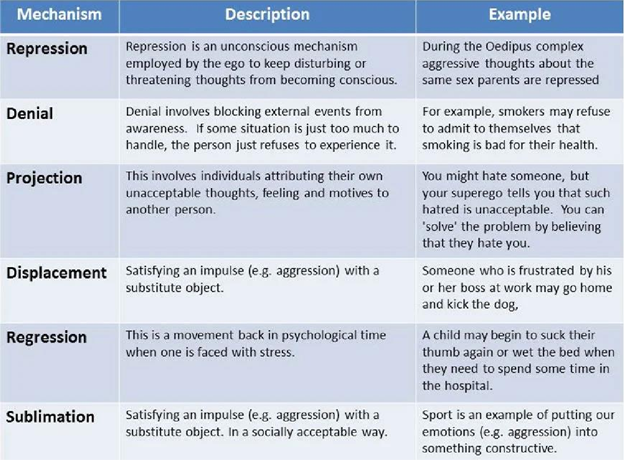
Displacement is a defense mechanism in which an individual redirect their emotions or impulses from their original target to a less threatening or safer target. In this scenario, the client yells at the nurse when medication changes are prescribed by the provider. The client may be feeling angry or frustrated about the medication changes but is unable to express those emotions directly towards the provider. Instead, the client displaces those feelings onto the nurse, who may be seen as a safer or more accessible target. The yelling behavior directed at the nurse is a way for the client to release and express their emotions indirectly.
D. Sublimation
Sublimation is a defense mechanism in which an individual channel their unacceptable or potentially harmful impulses into socially acceptable outlets, such as creative or productive activities. It is not evident in this scenario as the client's behavior does not involve transforming the emotions into a more positive or socially acceptable form.
Full Explanation
Explanation:
Displacement is a defense mechanism in which an individual redirect their emotions or impulses from their original target to a less threatening or safer target. In this scenario, the client yells at the nurse when medication changes are prescribed by the provider. The client may be feeling angry or frustrated about the medication changes but is unable to express those emotions directly towards the provider. Instead, the client displaces those feelings onto the nurse, who may be seen as a safer or more accessible target. The yelling behavior directed at the nurse is a way for the client to release and express their emotions indirectly.
Let's briefly discuss the other defense mechanisms mentioned:
A- Conversion: Conversion involves the expression of psychological distress or conflict through physical symptoms or ailments. It is not applicable in this scenario since the client's behavior does not involve physical symptoms.
B- Splitting: Splitting is a defense mechanism characterized by a black-and-white thinking pattern, where individuals perceive others or situations as all good or all bad. It does not directly apply in this scenario as the client's behavior is not indicative of splitting.
D- Sublimation: Sublimation is a defense mechanism in which an individual channel their unacceptable or potentially harmful impulses into socially acceptable outlets, such as creative or productive activities. It is not evident in this scenario as the client's behavior does not involve transforming the emotions into a more positive or socially acceptable form.
A nurse is providing care to a client who is immunocompromised.
Which of the following should the nurse identify as a possible source of infection?
A. Soiled linens are placed on the floor
Placing soiled linens on the floor can lead to cross-contamination and the spread of infectious agents. This can pose a risk to the immunocompromised client, who may be more susceptible to infections.
B. Waste containers are lined with single bags
Lining waste containers with single bags helps contain potentially infectious waste and facilitates proper disposal. This reduces the risk of contamination and exposure to infectious materials.
C. Dampened cloths are used for dusting the area
Using dampened cloths for dusting helps minimize the spread of dust and airborne particles. Dampening the cloth can help capture the dust and prevent it from becoming airborne, reducing the potential for respiratory exposure.
D. Uncapped sharps are put in a puncture-resistant container
Placing uncapped sharps in a puncture-resistant container is an essential practice to prevent needlestick injuries and the transmission of bloodborne pathogens. This ensures safe disposal of sharps and reduces the risk of accidental needlestick injuries to healthcare workers and clients.
Full Explanation
Placing soiled linens on the floor can lead to cross-contamination and the spread of infectious agents. This can pose a risk to the immunocompromised client, who may be more susceptible to infections.
Lining waste containers with single bags helps contain potentially infectious waste and facilitates proper disposal. This reduces the risk of contamination and exposure to infectious materials.
Using dampened cloths for dusting helps minimize the spread of dust and airborne particles. Dampening the cloth can help capture the dust and prevent it from becoming airborne, reducing the potential for respiratory exposure.
Placing uncapped sharps in a puncture-resistant container is an essential practice to prevent needlestick injuries and the transmission of bloodborne pathogens. This ensures safe disposal of sharps and reduces the risk of accidental needlestick injuries to healthcare workers and clients.
A nurse is caring for a client who has peptic ulcer disease and is scheduled to undergo an esophagogastroduodenoscopy.
Which of the following actions should the nurse take prior to the procedure?
A. Administer an oral contrast solution
Oral contrast solutions are typically used for imaging procedures such as CT scans or X-rays, not for esophagogastroduodenoscopy. This procedure involves the insertion of a flexible tube with a camera into the esophagus, stomach, and duodenum to visualize the upper gastrointestinal tract.
B. Ensure that the client gave informed consent
Before any invasive procedure, it is essential to ensure that the client has given informed consent. Informed consent involves providing the client with detailed information about the procedure, its risks and benefits, and alternatives. The client should have the opportunity to ask questions and fully understand the procedure before giving consent.
C. Inform the client the procedure will take 60 min
While it is important to provide the client with information about the duration of the procedure, stating a specific time frame may not be accurate or helpful. The duration of an esophagogastroduodenoscopy can vary depending on factors such as the complexity of the procedure and the client's individual circumstances.
D. Ensure that the client's bladder is full
Having a full bladder is not necessary for an esophagogastroduodenoscopy procedure. This requirement may be relevant for other procedures, such as pelvic ultrasound, but it is not applicable in this case.
Full Explanation
Before any invasive procedure, it is essential to ensure that the client has given informed consent. Informed consent involves providing the client with detailed information about the procedure, its risks and benefits, and alternatives. The client should have the opportunity to ask questions and fully understand the procedure before giving consent.
Oral contrast solutions are typically used for imaging procedures such as CT scans or X-rays, not for esophagogastroduodenoscopy. This procedure involves the insertion of a flexible tube with a camera into the esophagus, stomach, and duodenum to visualize the upper gastrointestinal tract.
While it is important to provide the client with information about the duration of the procedure, stating a specific time frame may not be accurate or helpful. The duration of an esophagogastroduodenoscopy can vary depending on factors such as the complexity of the procedure and the client's individual circumstances.
Having a full bladder is not necessary for an esophagogastroduodenoscopy procedure. This requirement may be relevant for other procedures, such as pelvic ultrasound, but it is not applicable in this case.
