
Nursing practice questions with comprehensive rationales
NurseDive Free Nursing Practice Question
A nurse is reinforcing teaching with a parent of a newborn about home safety precautions.
Which of the following statements by the parent indicates an understanding of the teaching?
A. "I will place my newborn face up on a pillow when sleeping."
Placing a newborn on a pillow for sleep is unsafe. Infants should be placed on their backs to sleep on a firm, flat surface without pillows, blankets, or soft bedding. This reduces the risk of suffocation or sudden infant death syndrome (SIDS).
B. "I will make sure that I can fit one finger between the mattress and the side of my newborn's crib."
The guideline of being able to fit one finger between the mattress and the side of the crib ensures that there is a safe space to prevent entrapment and suffocation risks.
C. "I will attach the pacifier to my newborn's clothing with a string at bedtime:"
Attaching a pacifier to the newborn's clothing with a string is hazardous. Strings and cords pose a strangulation risk. Pacifiers should be used according to safe guidelines, but they should not be attached to the baby's clothing with any type of string or cord.
D. "I will place my newborn's crib near a heat vent during cold weather"
Placing a newborn's crib near a heat vent can result in overheating, which is a safety concern. It is important to keep the baby's sleep environment at a comfortable temperature without direct exposure to heat sources or drafts
This question is an excerpt from Nurse Dive's nursing test bank - PN Comprehensive Predictor PN 2020 Proctored Exam. Take the full exam now
Full Explanation
The guideline of being able to fit one finger between the mattress and the side of the crib ensures that there is a safe space to prevent entrapment and suffocation risks.
Placing a newborn on a pillow for sleep is unsafe. Infants should be placed on their backs to sleep on a firm, flat surface without pillows, blankets, or soft bedding. This reduces the risk of suffocation or sudden infant death syndrome (SIDS).
Attaching a pacifier to the newborn's clothing with a string is hazardous. Strings and cords pose a strangulation risk. Pacifiers should be used according to safe guidelines, but they should not be attached to the baby's clothing with any type of string or cord.
Placing a newborn's crib near a heat vent can result in overheating, which is a safety concern. It is important to keep the baby's sleep environment at a comfortable temperature without direct exposure to heat sources or drafts
Similar Questions
A nurse is reinforcing teaching with the support person of a client who is in the first stage of labor. Which of the following instructions should the nurse include regarding effleurage?
A. "Assist her to breathe in deeply at the beginning of each contraction.
Deep breathing techniques are often used during labor to promote relaxation and manage pain. However, this instruction does not specifically relate to effleurage.
B. "Help her to focus on an object in the room."
Focusing on an object in the room, such as a focal point, can be a helpful technique during labor to redirect attention and manage pain. However, this instruction does not specifically relate to effleurage.
C. "Gently stroke her abdomen during contractions."
Effleurage is a massage technique commonly used during labor to provide comfort and relaxation. It involves using gentle, rhythmic stroking movements on the abdomen during contractions. This technique can help relieve tension, promote relaxation, and provide distraction from the intensity of the contractions.
D. "Apply steady pressure with this tennis ball to her sacral area.”
Applying pressure to the sacral area can help alleviate back pain during labor. However, this instruction describes the use of a tennis ball and is not specifically related to effleurage.
Full Explanation
Effleurage is a massage technique commonly used during labor to provide comfort and relaxation. It involves using gentle, rhythmic stroking movements on the abdomen during contractions. This technique can help relieve tension, promote relaxation, and provide distraction from the intensity of the contractions.
Deep breathing techniques are often used during labor to promote relaxation and manage pain. However, this instruction does not specifically relate to effleurage.
Focusing on an object in the room, such as a focal point, can be a helpful technique during labor to redirect attention and manage pain. However, this instruction does not specifically relate to effleurage.
Applying pressure to the sacral area can help alleviate back pain during labor. However, this instruction describes the use of a tennis ball and is not specifically related to effleurage.
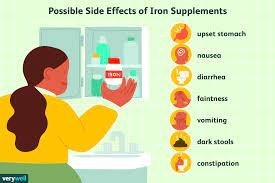
A nurse is collecting data from a client who is at 20 weeks of gestation and has been taking ferrous sulfate. For which of the following findings should the nurse monitor as a common adverse effect of iron supplementation and report to the provider?
A. Dry mouth
Dry mouth is not a common adverse effect of iron supplementation. It is more commonly associated with medications that can cause xerostomia (dry mouth), such as certain antihistamines or anticholinergic drugs.
B. Tinnitus
Tinnitus, a perception of ringing or noise in the ears, is not typically associated with iron supplementation. Tinnitus can be caused by various factors, such as exposure to loud noises, ear infections, or certain medications, but it is not directly related to iron supplementation.
C. Constipation
Iron supplementation commonly causes constipation, which is due to the iron's effect of slowing down bowel movements and increasing water absorption in the intestines.
D. Hematuria
Hematuria, the presence of blood in the urine, is not a common adverse effect of iron supplementation. It can be caused by various conditions affecting the urinary system, such as urinary tract infections, kidney stones, or bladder issues, but it is not directly related to iron supplementation.
Full Explanation
Iron supplementation commonly causes constipation, which is due to the iron's effect of slowing down bowel movements and increasing water absorption in the intestines.
Dry mouth is not a common adverse effect of iron supplementation. It is more commonly associated with medications that can cause xerostomia (dry mouth), such as certain antihistamines or anticholinergic drugs.
Tinnitus, a perception of ringing or noise in the ears, is not typically associated with iron supplementation. Tinnitus can be caused by various factors, such as exposure to loud noises, ear infections, or certain medications, but it is not directly related to iron supplementation.
Hematuria, the presence of blood in the urine, is not a common adverse effect of iron supplementation. It can be caused by various conditions affecting the urinary system, such as urinary tract infections, kidney stones, or bladder issues, but it is not directly related to iron supplementation.
A nurse is caring for an older adult client who reports dry, itchy skin. Which of the following actions should the nurse take?
A. Encourage the client to bathe frequently.
Frequent bathing can actually worsen dry, itchy skin as it can strip away the natural oils that help moisturize the skin. Instead, the nurse should encourage the client to limit bathing to shorter durations using lukewarm water and gentle, fragrance-free cleansers.
B. Apply powder to the client's skin.
Powder may not provide significant relief for dry, itchy skin and can potentially irritate the skin further. It is best to focus on moisturizing and hydrating the skin to alleviate the symptoms.
C. Add moisturizing oil to the client's bath water.
While this might seem helpful, oils in the bath can create a slippery surface, posing a fall risk, especially for older adults. Additionally, oils might not provide sufficient hydration to the skin and could leave a residue that is not always beneficial.
D. Place a humidifier in the client's room.
Dry, itchy skin is a common concern among older adults, and it can be exacerbated by low humidity levels. Placing a humidifier in the client's room helps to increase the moisture content in the air, which can alleviate dryness and itchiness. The increased humidity can help prevent the skin from becoming overly dry and can provide relief from the symptoms.
Full Explanation
a. Frequent bathing can actually worsen dry, itchy skin as it can strip away the natural oils that help moisturize the skin. Instead, the nurse should encourage the client to limit bathing to shorter durations using lukewarm water and gentle, fragrance-free cleansers.
b. Powder may not provide significant relief for dry, itchy skin and can potentially irritate the skin further. It is best to focus on moisturizing and hydrating the skin to alleviate the symptoms.
c. While this might seem helpful, oils in the bath can create a slippery surface, posing a fall risk, especially for older adults. Additionally, oils might not provide sufficient hydration to the skin and could leave a residue that is not always beneficial.
d. Dry, itchy skin is a common concern among older adults, and it can be exacerbated by low humidity levels. Placing a humidifier in the client's room helps to increase the moisture content in the air, which can alleviate dryness and itchiness. The increased humidity can help prevent the skin from becoming overly dry and can provide relief from the symptoms.