
Nursing practice questions with comprehensive rationales
NurseDive Free Nursing Practice Question
A nurse is reviewing client confidentiality with other staff members.
The nurse should identify that which of the following actions is an example of protecting client confidentiality?
A. Giving change-of-shift report to a nurse outside the client's room
Giving change-of-shift report to a nurse outside the client's room ensures that client information is shared in a private, secure setting, reducing the risk of unauthorized individuals overhearing sensitive information.
B. Discussing a client's prognosis with an assistive personnel who is caring for the client
While sharing information with staff involved in the client's care is generally acceptable, discussing detailed prognosis with assistive personnel (who may not have a need-to-know role) is inappropriate. Confidential information should only be shared with those directly involved in the patient's care as part of the care team.
C. Writing a client's diagnosis on the message board in the client's room
This is a clear violation of confidentiality, as it exposes the client's private health information to anyone who may access the room.
D. Discarding worksheets containing client information in a wastebasket
This is a breach of confidentiality, as the information could be accessed by unauthorized individuals. The appropriate way to dispose of confidential information is to shred it or return it to the medical record.
This question is an excerpt from Nurse Dive's nursing test bank - ATI PN Comprehensive Predictor 2023 - Proctored Exam 1. Take the full exam now
Full Explanation
A. Giving change-of-shift report to a nurse outside the client's room ensures that client information is shared in a private, secure setting, reducing the risk of unauthorized individuals overhearing sensitive information.
B. While sharing information with staff involved in the client's care is generally acceptable, discussing detailed prognosis with assistive personnel (who may not have a need-to-know role) is inappropriate. Confidential information should only be shared with those directly involved in the patient's care as part of the care team.
C. This is a clear violation of confidentiality, as it exposes the client's private health information to anyone who may access the room.
D. This is a breach of confidentiality, as the information could be accessed by unauthorized individuals. The appropriate way to dispose of confidential information is to shred it or return it to the medical record.
Similar Questions
A nurse is assisting with postmortem care for a client who was a devout follower of Islam. Which of the following actions should the nurse take?
A. Allow a family member of the client to stay with the client's body until burial
While it is common in some cultural and religious practices for family members to stay with the deceased until burial, this may vary depending on the specific beliefs and customs of the family. It is important to respect the family's wishes and cultural practices, but it is not solely specific to Islam.
B. Position the client's head toward Mecca
In Islam, it is customary to position the deceased's head toward Mecca, which is considered the holiest city in Islam. Mecca is the direction toward which Muslims face during prayer. Orienting the client's head toward Mecca is a sign of respect for their religious beliefs and customs.
C. Allow a family member to stay with the client's body for 8 hr
The duration of time for a family member to stay with the deceased can vary depending on cultural and religious practices, but there is no specific set duration of 8 hours in Islamic customs.
D. Position the client's head northward
In Islam, the direction of Mecca is significant, and positioning the client's head toward Mecca is the customary practice. There is no specific requirement to position the head northward in Islamic customs.
Full Explanation
In Islam, it is customary to position the deceased's head toward Mecca, which is considered the holiest city in Islam. Mecca is the direction toward which Muslims face during prayer. Orienting the client's head toward Mecca is a sign of respect for their religious beliefs and customs.
While it is common in some cultural and religious practices for family members to stay with the deceased until burial, this may vary depending on the specific beliefs and customs of the family. It is important to respect the family's wishes and cultural practices, but it is not solely specific to Islam.
The duration of time for a family member to stay with the deceased can vary depending on cultural and religious practices, but there is no specific set duration of 8 hours in Islamic customs.
In Islam, the direction of Mecca is significant, and positioning the client's head toward Mecca is the customary practice. There is no specific requirement to position the head northward in Islamic customs.
A nurse is reinforcing teaching about breastfeeding with the mother of a full-term newbornwho is 5 days old.
Which of the following statements by the mother indicates an understandingof the teaching?
A. My baby should breastfeed 5 to 10 minutes on each breast.
The duration of breastfeeding can vary from baby to baby, but it is generally recommended to allow the baby to breastfeed until they are satisfied and have emptied one breast before switching to the other breast. This ensures that the baby receives both the foremilk and the hindmilk, which are important for adequate nutrition.
B. I should not wake my baby during the night to breastfeed.
In the early days after birth, it is important to establish frequent and regular breastfeeding to support milk production and ensure the baby receives enough nourishment. Newborns typically need to breastfeed at least 8 to 12 times in 24 hours, including during the night. If the baby is sleeping for a long period, it may be necessary to wake them for feeding to ensure proper nutrition and hydration.
C. I should keep my baby on a strict feeding schedule.
Breastfeeding should be based on the baby's cues and demand rather than a strict schedule. Newborns should be breastfed whenever they show hunger signs, such as rooting, sucking motions, or increased alertness. This helps establish a good milk supply and allows the baby to feed according to their individual needs.
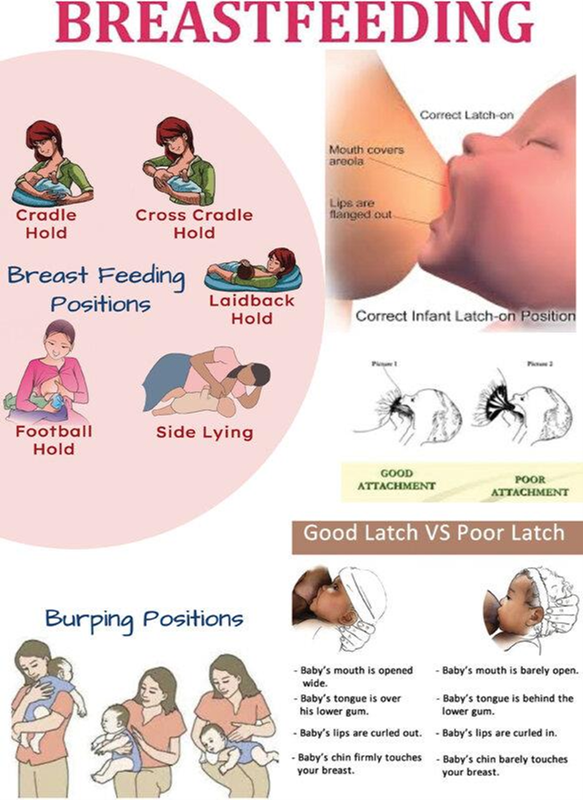
D. I should have my baby latch on to my nipple and areola during feeding.
Having the baby latch on to both the nipple and areola during breastfeeding is essential for effective milk transfer and optimal breastfeeding. The baby should take in a good portion of the areola along with the nipple to ensure a proper latch and a comfortable feeding experience for both the mother and the baby. This allows the baby to obtain enough milk and stimulates milk production in the mother.
Full Explanation
Having the baby latch on to both the nipple and areola during breastfeeding is essential for effective milk transfer and optimal breastfeeding. The baby should take in a good portion of the areola along with the nipple to ensure a proper latch and a comfortable feeding experience for both the mother and the baby. This allows the baby to obtain enough milk and stimulates milk production in the mother.
Let's briefly discuss the other statements:
A- "My baby should breastfeed 5 to 10 minutes on each breast": The duration of breastfeeding can vary from baby to baby, but it is generally recommended to allow the baby to breastfeed until they are satisfied and have emptied one breast before switching to the other breast. This ensures that the baby receives both the foremilk and the hindmilk, which are important for adequate nutrition.
B- "I should not wake my baby during the night to breastfeed": In the early days after birth, it is important to establish frequent and regular breastfeeding to support milk production and ensure the baby receives enough nourishment. Newborns typically need to breastfeed at least 8 to 12 times in 24 hours, including during the night. If the baby is sleeping for a long period, it may be necessary to wake them for feeding to ensure proper nutrition and hydration.
C- "I should keep my baby on a strict feeding schedule": Breastfeeding should be based on the baby's cues and demand rather than a strict schedule. Newborns should be breastfed whenever they show hunger signs, such as rooting, sucking motions, or increased alertness. This helps establish a good milk supply and allows the baby to feed according to their individual needs.
A nurse is assisting with the admission of a client who has varicella zoster.
Which of the following interventions should the nurse plan to implement?
A. Assign the client to a negative pressure airflow room
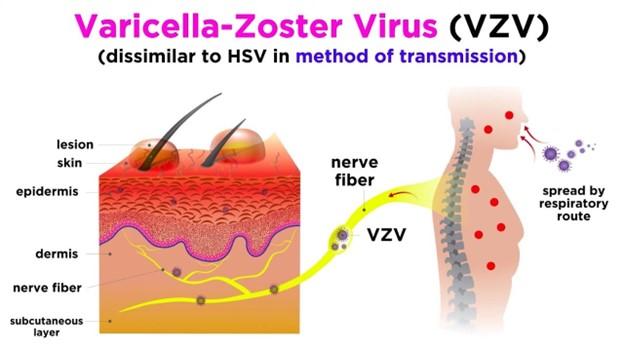
Varicella zoster is highly contagious, and airborne precautions should be implemented. Assigning the client to a negative pressure airflow room helps prevent the spread of the virus to others by containing and filtering the air within the room.
B. Have visitors remain at least 0.91 m (3 feet) away from the client
While it is important to minimize close contact with an infectious client, varicella zoster is primarily transmitted through airborne droplets. Visitors should follow the appropriate precautions, such as wearing masks and adhering to hand hygiene, rather than just maintaining a certain distance.
C. Initiate contact precautions for the client
In addition to airborne precautions, contact precautions should also be implemented. This includes using gloves and gowns when providing care to the client to minimize direct contact with infectious materials.
D. Administer aspirin if the client develops a fever
Aspirin should not be given to clients with varicella zoster, especially children, due to the risk of developing Reye's syndrome. Reye's syndrome is a rare but serious condition that can cause swelling in the liver and brain. Acetaminophen (paracetamol) is typically recommended for managing fever in clients with varicella zoster.
Full Explanation
Varicella zoster is highly contagious, and airborne precautions should be implemented. Assigning the client to a negative pressure airflow room helps prevent the spread of the virus to others by containing and filtering the air within the room.
In addition to airborne precautions, contact precautions should also be implemented. This includes using gloves and gowns when providing care to the client to minimize direct contact with infectious materials.
The other options listed are not appropriate interventions for a client with varicella zoster: While it is important to minimize close contact with an infectious client, varicella zoster is primarily transmitted through airborne droplets. Visitors should follow the appropriate precautions, such as wearing masks and adhering to hand hygiene, rather than just maintaining a certain distance.
Aspirin should not be given to clients with varicella zoster, especially children, due to the risk of developing Reye's syndrome. Reye's syndrome is a rare but serious condition that can cause swelling in the liver and brain. Acetaminophen (paracetamol) is typically recommended for managing fever in clients with varicella zoster.