Nursing practice questions with comprehensive rationales
NurseDive Free Nursing Practice Question
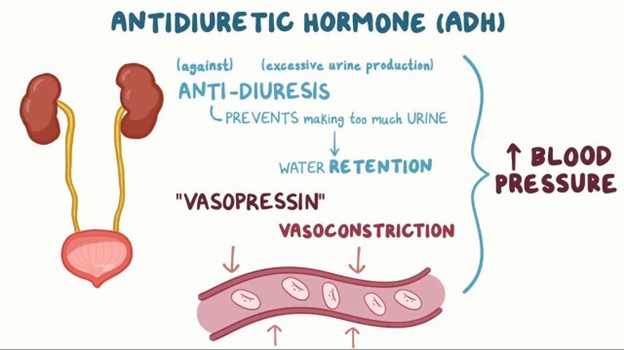
A nurse is reviewing data for a client who has a head injury. Which of the following findings should indicate to the nurse that the client might have diabetes insipidus?
A. Urine output 800 mL/hr
Reason: Urine output 800 mL/hr is a sign of diabetes insipidus, as it indicates that the kidneys are producing large amounts of diluted urine due to the lack of antidiuretic hormone (ADH) or its action.
B. Blood glucose 198 mg/dL
Reason: Blood glucose 198 mg/dL is not a sign of diabetes insipidus, but it may indicate diabetes mellitus or hyperglycemia.
C. Serum sodium 145 mEq/L
Reason: Serum sodium 145 mEq/L is not a sign of diabetes insipidus, but it is within the normal range (135-145 mEq/L).
D. Urine specific gravity 1.028
Reason: Urine specific gravity 1.028 is not a sign of diabetes insipidus, but it indicates concentrated urine due to dehydration or other causes.
This question is an excerpt from Nurse Dive's nursing test bank - ATI Med Surg Proctored Exam 3. Take the full exam now
Full Explanation
Choice A Reason: Urine output 800 mL/hr is a sign of diabetes insipidus, as it indicates that the kidneys are producing large amounts of diluted urine due to the lack of antidiuretic hormone (ADH) or its action.
Choice B Reason: Blood glucose 198 mg/dL is not a sign of diabetes insipidus, but it may indicate diabetes mellitus or hyperglycemia.
Choice C Reason: Serum sodium 145 mEq/L is not a sign of diabetes insipidus, but it is within the normal range (135-145 mEq/L).
Choice D Reason: Urine specific gravity 1.028 is not a sign of diabetes insipidus, but it indicates concentrated urine due to dehydration or other causes.
Similar Questions
A nurse is collecting data from a client who was bitten by a tick one week ago. Which of the following client manifestations should the nurse identify as an indication of the development of Lyme disease?
A. Swollen, painful joints
Reason: Swollen, painful joints are not a sign of Lyme disease in the early stage, but they may occur in the late stage, which can take months or years to develop.
B. An expanding circular rash
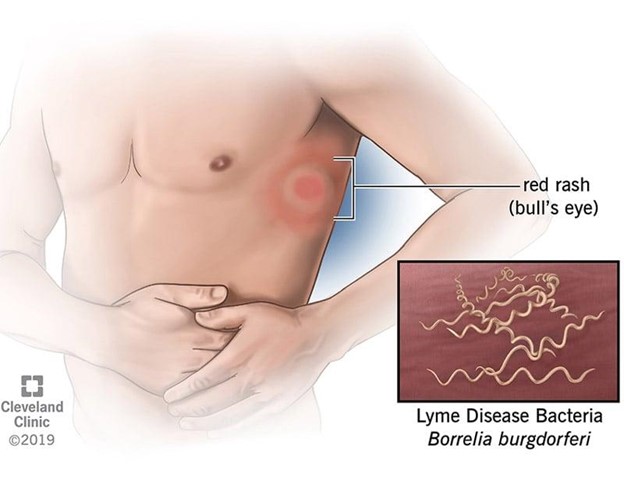
Reason: An expanding circular rash, also known as erythema migrans, is a sign of Lyme disease in the early stage, which usually appears within 3 to 30 days after the tick bite. The rash may have a bull's-eye appearance and can spread up to 12 inches in diameter.
C. Decreased level of consciousness
Reason: Decreased level of consciousness is not a sign of Lyme disease, but it may indicate other serious conditions such as meningitis, encephalitis, or stroke.
D. Necrosis at the site of the bite
Reason: Necrosis at the site of the bite is not a sign of Lyme disease, but it may indicate a brown recluse spider bite, which can cause tissue damage and ulceration.
Full Explanation
Choice A Reason: Swollen, painful joints are not a sign of Lyme disease in the early stage, but they may occur in the late stage, which can take months or years to develop.
Choice B Reason: An expanding circular rash, also known as erythema migrans, is a sign of Lyme disease in the early stage, which usually appears within 3 to 30 days after the tick bite. The rash may have a bull's-eye appearance and can spread up to 12 inches in diameter.
Choice C Reason: Decreased level of consciousness is not a sign of Lyme disease, but it may indicate other serious conditions such as meningitis, encephalitis, or stroke.
Choice D Reason: Necrosis at the site of the bite is not a sign of Lyme disease, but it may indicate a brown recluse spider bite, which can cause tissue damage and ulceration.
A nurse is assisting with data collection of a client with suspected cholecystitis. Which finding does the nurse expect to note if cholecystitis is present?
A. Murphy sign
Reason: Murphy sign is a finding that indicates cholecystitis, which is inflammation of the gallbladder. It is elicited by palpating the right upper quadrant of the abdomen and asking the client to take a deep breath. The client will experience pain and stop breathing in if cholecystitis is present.
B. McBurney sign
Reason: McBurney sign is a finding that indicates appendicitis, which is inflammation of the appendix. It is elicited by palpating the right lower quadrant of the abdomen at a point one-third of the distance from the anterior superior iliac spine to the umbilicus. The client will experience pain and tenderness if appendicitis is present.
C. Cullen's sign
Reason: Cullen's sign is a finding that indicates intra-abdominal bleeding, which can be caused by various conditions such as ruptured ectopic pregnancy, pancreatitis, or trauma. It is characterized by bruising around the umbilicus due to blood accumulation under the skin.
D. Homan sign
Reason: Homan sign is a finding that indicates deep vein thrombosis (DVT), which is a blood clot in a deep vein, usually in the leg. It is elicited by dorsiflexing the foot and squeezing the calf muscle. The client will experience pain and resistance if DVT is present.
Full Explanation
Choice A Reason: Murphy sign is a finding that indicates cholecystitis, which is inflammation of the gallbladder. It is elicited by palpating the right upper quadrant of the abdomen and asking the client to take a deep breath. The client will experience pain and stop breathing in if cholecystitis is present.
Choice B Reason: McBurney sign is a finding that indicates appendicitis, which is inflammation of the appendix. It is elicited by palpating the right lower quadrant of the abdomen at a point one-third of the distance from the anterior superior iliac spine to the umbilicus. The client will experience pain and tenderness if appendicitis is present.
Choice C Reason: Cullen's sign is a finding that indicates intra-abdominal bleeding, which can be caused by various conditions such as ruptured ectopic pregnancy, pancreatitis, or trauma. It is characterized by bruising around the umbilicus due to blood accumulation under the skin.
Choice D Reason: Homan sign is a finding that indicates deep vein thrombosis (DVT), which is a blood clot in a deep vein, usually in the leg. It is elicited by dorsiflexing the foot and squeezing the calf muscle. The client will experience pain and resistance if DVT is present.
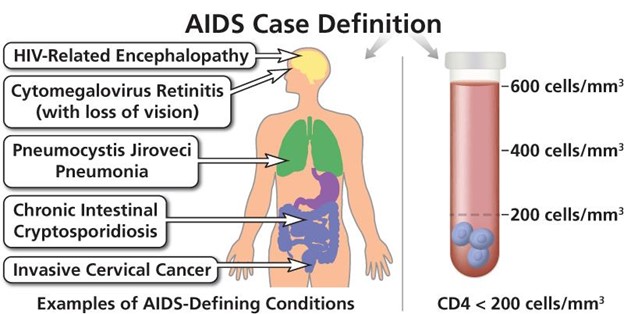
The nurse is participating in a care planning conference for a patient with acquired immunodeficiency syndrome (AIDS). What is the nurse's highest priority in providing care to this client?
A. Instituting measures to prevent infection.
Reason: Instituting measures to prevent infection is the highest priority in providing care to this client, as AIDS impairs the immune system and makes the client susceptible to opportunistic infections that can be life-threatening.
B. Providing emotional support.
Reason: Providing emotional support is an important aspect of providing care to this client, but it is not the highest priority, as it does not address the physical needs of the client.
C. Identifying risk factors related to contracting AIDS.
Reason: Identifying risk factors related to contracting AIDS is not relevant for providing care to this client, as it does not help to improve the current condition or prevent complications.
D. Discussing the cause of AIDS.
Reason: Discussing the cause of AIDS is not essential for providing care to this client, as it does not affect the treatment or prognosis of the disease.
Full Explanation
Choice A Reason: Instituting measures to prevent infection is the highest priority in providing care to this client, as AIDS impairs the immune system and makes the client susceptible to opportunistic infections that can be life-threatening.
Choice B Reason: Providing emotional support is an important aspect of providing care to this client, but it is not the highest priority, as it does not address the physical needs of the client.
Choice C Reason: Identifying risk factors related to contracting AIDS is not relevant for providing care to this client, as it does not help to improve the current condition or prevent complications.
Choice D Reason: Discussing the cause of AIDS is not essential for providing care to this client, as it does not affect the treatment or prognosis of the disease.