
Nursing practice questions with comprehensive rationales
NurseDive Free Nursing Practice Question
A nurse is reviewing the medical history of a client who has osteoarthritis. The client asks the nurse about taking the supplement chondroitin with glucosamine. The nurse should instruct the client to use this supplement with caution because of which of the following findings in the client's history?
A. Allergy to eggs.
Allergy to eggs is not a contraindication for taking chondroitin with glucosamine. These supplements do not contain eggs and are generally safe for individuals with egg allergies.
B. Hypotension.
Hypotension is not directly related to the use of chondroitin with glucosamine. These supplements are not known to cause significant changes in blood pressure.
C. History of hypoglycemia.
History of hypoglycemia is not a specific concern with chondroitin and glucosamine supplements. These supplements do not significantly impact blood sugar levels in people without diabetes.
D. Anticoagulant therapy.
The nurse should instruct the client to use chondroitin with glucosamine with caution if they are on anticoagulant therapy. Chondroitin and glucosamine may have mild anticoagulant effects, and when combined with prescribed anticoagulant medications, there is a potential risk of increased bleeding or altered blood clotting times. It is essential to monitor the client's coagulation parameters closely if they decide to use these supplements.
This question is an excerpt from Nurse Dive's nursing test bank - ATI RN VATI Adult Medical Surgical S 2019 Proctored Exam. Take the full exam now
Full Explanation
Choice A rationale:
Allergy to eggs is not a contraindication for taking chondroitin with glucosamine. These supplements do not contain eggs and are generally safe for individuals with egg allergies.
Choice B rationale:
Hypotension is not directly related to the use of chondroitin with glucosamine. These supplements are not known to cause significant changes in blood pressure.
Choice C rationale:
History of hypoglycemia is not a specific concern with chondroitin and glucosamine supplements. These supplements do not significantly impact blood sugar levels in people without diabetes.
Choice D rationale:
The correct choice. The nurse should instruct the client to use chondroitin with glucosamine with caution if they are on anticoagulant therapy. Chondroitin and glucosamine may have mild anticoagulant effects, and when combined with prescribed anticoagulant medications, there is a potential risk of increased bleeding or altered blood clotting times. It is essential to monitor the client's coagulation parameters closely if they decide to use these supplements.
Similar Questions
A nurse is assessing a client's understanding of a surgical procedure prior to witnessing their signature on the informed consent form. The nurse determines that the client does not understand what the procedure will involve. Which of the following actions should the nurse take?
A. Provide teaching about the surgical procedure for the client.
A) Provide teaching about the surgical procedure for the client: While nurses play an essential role in patient education, it is the responsibility of the healthcare provider performing the procedure to ensure the patient fully understands the details, risks, and benefits. Nurses can clarify information but should not provide the initial comprehensive explanation of the procedure.
B. Instruct the client's spouse to sign the consent form.
B) Instruct the client's spouse to sign the consent form: The client is the one who needs to provide informed consent, not the spouse, unless the client is legally unable to do so. In such cases, legal documentation, such as a power of attorney, is required. Instructing the spouse to sign without proper authorization is inappropriate and potentially legally problematic.
C. Read the consent form to the client using words the client will understand.
C) Read the consent form to the client using words the client will understand: While simplifying the language of the consent form can help, it is not sufficient if the client does not fully understand the procedure. Full understanding requires a detailed discussion about the procedure, risks, benefits, and alternatives, which should be done by the provider performing the procedure.
D. Contact the provider who will be performing the procedure.
D) Contact the provider who will be performing the procedure: The provider performing the procedure has the responsibility to ensure the client understands all aspects of the surgery. Contacting the provider to provide a thorough explanation ensures that the client receives accurate and complete information, allowing for truly informed consent.
Full Explanation
Answer: D. Contact the provider who will be performing the procedure.
Rationale:
A) Provide teaching about the surgical procedure for the client:
While nurses play an essential role in patient education, it is the responsibility of the healthcare provider performing the procedure to ensure the patient fully understands the details, risks, and benefits. Nurses can clarify information but should not provide the initial comprehensive explanation of the procedure.
B) Instruct the client's spouse to sign the consent form:
The client is the one who needs to provide informed consent, not the spouse, unless the client is legally unable to do so. In such cases, legal documentation, such as a power of attorney, is required. Instructing the spouse to sign without proper authorization is inappropriate and potentially legally problematic.
C) Read the consent form to the client using words the client will understand:
While simplifying the language of the consent form can help, it is not sufficient if the client does not fully understand the procedure. Full understanding requires a detailed discussion about the procedure, risks, benefits, and alternatives, which should be done by the provider performing the procedure.
D) Contact the provider who will be performing the procedure:
The provider performing the procedure has the responsibility to ensure the client understands all aspects of the surgery. Contacting the provider to provide a thorough explanation ensures that the client receives accurate and complete information, allowing for truly informed consent.
A nurse is caring for a client who develops a sudden onset of dyspnea. Which of the following findings should the nurse expect if the client has a pulmonary embolus?
A. Expiratory rhonchi.
Expiratory rhonchi are typically associated with conditions such as chronic bronchitis or asthma but are not specific to pulmonary embolism.
B. Petechiae over the lower extremities.
Petechiae over the lower extremities is not a characteristic finding in pulmonary embolism. Petechiae are tiny red or purple spots that appear due to bleeding under the skin and may be associated with other conditions like thrombocytopenia.
C. Hemoptysis.
The correct choice. Hemoptysis, which refers to coughing up blood, is a concerning finding in pulmonary embolism. It occurs due to the obstruction of blood flow in the pulmonary vasculature, leading to blood leaking into the lungs.
D. Flattened neck veins.
Flattened neck veins are more likely to be observed in conditions associated with decreased venous return to the heart, such as hypovolemia or cardiac tamponade, and are not directly related to pulmonary embolism.
Full Explanation
Choice A rationale:
Expiratory rhonchi are typically associated with conditions such as chronic bronchitis or asthma but are not specific to pulmonary embolism.
Choice B rationale:
Petechiae over the lower extremities is not a characteristic finding in pulmonary embolism. Petechiae are tiny red or purple spots that appear due to bleeding under the skin and may be associated with other conditions like thrombocytopenia.
Choice C rationale:
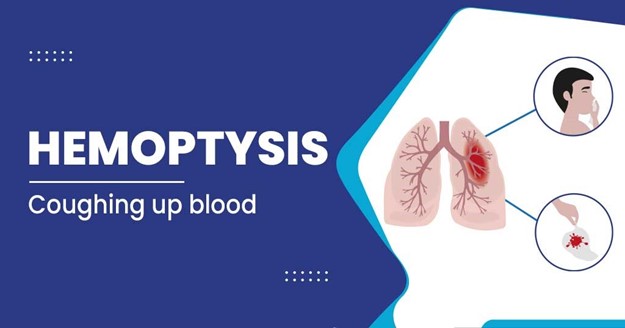
The correct choice. Hemoptysis, which refers to coughing up blood, is a concerning finding in pulmonary embolism. It occurs due to the obstruction of blood flow in the pulmonary vasculature, leading to blood leaking into the lungs.
Choice D rationale:
Flattened neck veins are more likely to be observed in conditions associated with decreased venous return to the heart, such as hypovolemia or cardiac tamponade, and are not directly related to pulmonary embolism.
A nurse is assessing a client who has a central venous catheter (CVC) with intravenous (IV) fluids infusing. The client suddenly develops shortness of breath, and the nurse notes that the IV tubing and needleless connector device are disconnected. Which of the following actions should the nurse take first?
A. Close the pinch clamp on the CVC.
The nurse's first priority in this situation should be to close the pinch clamp on the central venous catheter (CVC). This will prevent air from entering the client's vascular system and causing an air embolism, which can lead to serious complications. Once the clamp is closed, the nurse can then proceed with further assessments and interventions.
B. Obtain a prescription for stat ABGS (Arterial Blood Gas Studies).
Obtaining a prescription for stat ABGS (Arterial Blood Gas Studies) is not the first action the nurse should take in this situation. While ABGS may be relevant later to assess the client's respiratory status, the immediate concern is to prevent air embolism by closing the disconnected IV tubing.
C. Place the client in the left Trendelenburg position.
Placing the client in the left Trendelenburg position is not the first priority in this situation. The Trendelenburg position is used to increase venous return and is typically indicated in cases of hypotension or shock. Closing the clamp to prevent an air embolism should be the nurse's initial action.
D. Check the tubing for placement of a locking adaptor.
Checking the tubing for the placement of a locking adaptor is not the first action the nurse should take. While it is essential to ensure that the IV tubing is properly connected and secured, preventing the air from entering the CVC should take precedence in this urgent situation.
Full Explanation
Choice A rationale:
The nurse's first priority in this situation should be to close the pinch clamp on the central venous catheter (CVC). This will prevent air from entering the client's vascular system and causing an air embolism, which can lead to serious complications. Once the clamp is closed, the nurse can then proceed with further assessments and interventions.
Choice B rationale:
Obtaining a prescription for stat ABGS (Arterial Blood Gas Studies) is not the first action the nurse should take in this situation. While ABGS may be relevant later to assess the client's respiratory status, the immediate concern is to prevent air embolism by closing the disconnected IV tubing.
Choice C rationale:
Placing the client in the left Trendelenburg position is not the first priority in this situation. The Trendelenburg position is used to increase venous return and is typically indicated in cases of hypotension or shock. Closing the clamp to prevent an air embolism should be the nurse's initial action.
Choice D rationale:
Checking the tubing for the placement of a locking adaptor is not the first action the nurse should take. While it is essential to ensure that the IV tubing is properly connected and secured, preventing the air from entering the CVC should take precedence in this urgent situation.