Nursing practice questions with comprehensive rationales
NurseDive Free Nursing Practice Question
A nurse is reviewing the medical record for a child who is scheduled to receive a varicella immunization. Which of the following findings in the client's record should the nurse recognize as a contraindication?
A. Chemotherapy treatments
Chemotherapy treatments, which are used to treat cancer, can suppress the immune system and weaken the body's ability to respond to vaccines. As a result, receiving a live attenuated vaccine like the varicella immunization can pose a risk of severe complications for individuals undergoing chemotherapy. Therefore, it is contraindicated to administer the varicella vaccine in this case.
B. Medications for a cardiac anomaly
Medications for a cardiac anomaly, clear rhinorrhea, and two diarrhea stools in the last day are not contraindications for receiving a varicella immunization. While medications for a cardiac anomaly and certain medical conditions may require special consideration or precautions when administering vaccines, they are not absolute contraindications for the varicella vaccine. The decision to administer the vaccine would depend on the individual's specific circumstances and the healthcare provider's assessment.
C. Clear rhinorrhea
Clear rhinorrhea (runny nose) in the last day isconsidered minor illnessand does not contraindicate the varicella vaccine. Generally, mild illnesses without fever or systemic symptoms do not pose a significant risk when receiving vaccines. However, it is always important to assess the overall health status of the individual and consult with a healthcare provider if there are concerns.
D. Two diarrhea stools in the last day
Two diarrhea stools in the last day is considered minor illness and does not contraindicate the varicella vaccine. Generally, mild illnesses without fever or systemic symptoms do not pose a significant risk when receiving vaccines. However, it is always important to assess the overall health status of the individual and consult with a healthcare provider if there are concerns.
This question is an excerpt from Nurse Dive's nursing test bank - ATI PN Comprehensive Predictor 2023 - Proctored Exam 1. Take the full exam now
Full Explanation
Chemotherapy treatments, which are used to treat cancer, can suppress the immune system and weaken the body's ability to respond to vaccines. As a result, receiving a live attenuated vaccine like the varicella immunization can pose a risk of severe complications for individuals undergoing chemotherapy. Therefore, it is contraindicated to administer the varicella vaccine in this case.
Medications for a cardiac anomaly, clear rhinorrhea, and two diarrhea stools in the last day are not contraindications for receiving a varicella immunization.
While medications for a cardiac anomaly and certain medical conditions may require special consideration or precautions when administering vaccines, they are not absolute contraindications for the varicella vaccine. The decision to administer the vaccine would depend on the individual's specific circumstances and the healthcare provider's assessment. Clear rhinorrhea (runny nose) and two diarrhea stools in the last day are considered minor illnesses and do not contraindicate the varicella vaccine. Generally, mild illnesses without fever or systemic symptoms do not pose a significant risk when receiving vaccines. However, it is always important to assess the overall health status of the individual and consult with a healthcare provider if there are concerns.
Similar Questions
A nurse is reinforcing dietary teaching with a client whose prepregnancy BMI was 30.5. The nurse should include that which of the following is an acceptable weight gain for this client?
A. 32 lb
B. B.8 lb
C. 16 lb
D. 24 lb
Full Explanation
For a client with a prepregnancy BMI of 30.5, the acceptable weight gain during pregnancy would be around 11 to 20 pounds (5 to 9 kilograms) according to the guidelines set by the Institute of Medicine (IOM).
A nurse is implementing a bladder training program for a client who had a stroke. Which of the following interventions should the nurse take first?
A. Determine the client's pattern for voiding
Understanding the client's current voiding pattern is essential in developing an effective bladder training program. By determining the client's pattern for voiding, the nurse can identify any irregularities, frequency, and specific times when the client is more likely to void. This information will serve as a baseline for developing an individualized bladder training program.
B. Offer toileting opportunities every 1 to 2 hr.
Offering toileting opportunities every 1 to 2 hours is an appropriate intervention to ensure regular and scheduled voiding. However, before implementing this intervention, it is necessary to determine the client's current voiding pattern to identify any existing irregularities or potential areas of improvement.
C. Assist the client with relaxation techniques.
Assisting the client with relaxation techniques can help promote effective voiding and reduce anxiety or stress related to the act of voiding. However, this intervention can be more effective once the nurse has assessed the client's voiding pattern and identified specific areas where relaxation techniques can be beneficial.
D. Discourage intake of carbonated beverages.
Discouraging intake of carbonated beverages is a valid intervention as carbonated beverages can irritate the bladder and contribute to increased frequency and urgency of urination. However, this intervention can be implemented as part of a comprehensive bladder training program after the nurse has assessed the client's current voiding pattern and developed an individualized plan.
Full Explanation
Understanding the client's current voiding pattern is essential in developing an effective bladder training program. By determining the client's pattern for voiding, the nurse can identify any irregularities, frequency, and specific times when the client is more likely to void. This information will serve as a baseline for developing an individualized bladder training program. Offering toileting opportunities every 1 to 2 hours is an appropriate intervention to ensure regular and scheduled voiding. However, before implementing this intervention, it is necessary to determine the client's current voiding pattern to identify any existing irregularities or potential areas of improvement.
Assisting the client with relaxation techniques can help promote effective voiding and reduce anxiety or stress related to the act of voiding. However, this intervention can be more effective once the nurse has assessed the client's voiding pattern and identified specific areas where relaxation techniques can be beneficial.
Discouraging intake of carbonated beverages is a valid intervention as carbonated beverages can irritate the bladder and contribute to increased frequency and urgency of urination. However, this intervention can be implemented as part of a comprehensive bladder training program after the nurse has assessed the client's current voiding pattern and developed an individualized plan.
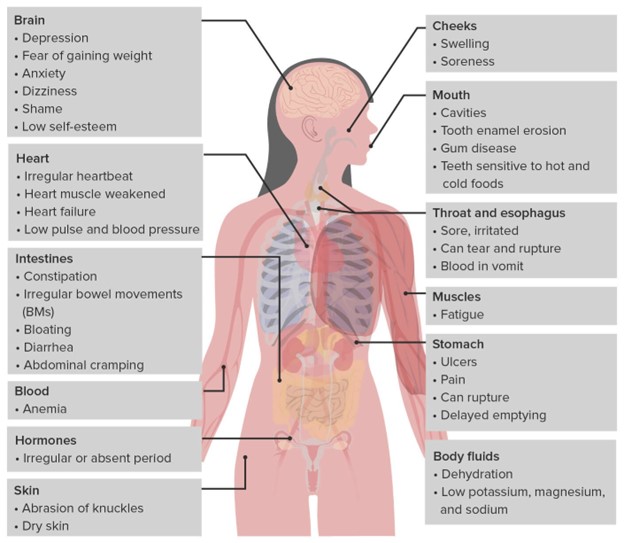
A nurse is caring for a client who has bulimia nervosa. Which of the following actions should the nurse take first?
A. Observe the client during and after meals.
Observing the client during and after meals is crucial for monitoring their eating behaviors, identifying any signs of bingeing or purging, and assessing their overall progress in managing their eating disorder. By closely observing the client, the nurse can provide immediate support and intervention if necessary and help prevent or address any potentially harmful behaviors.
B. Instruct the client about effective coping strategies.
Instructing the client about effective coping strategies is valuable in helping them develop healthier ways to manage stress and emotions. However, this instruction can be more effective once the nurse has observed the client's behaviors and identified specific areas where coping strategies are needed.
C. Suggest that the client assist with meal planning.
Suggesting that the client assist with meal planning can be a helpful step in empowering them to take ownership of their eating habits and make healthier choices. However, before involving the client in meal planning, it is important to first assess their current eating behaviors and address any immediate concerns or risks.
D. Refer the client to a support group for clients who have eating disorders.
Referring the client to a support group for individuals with eating disorders is a beneficial step in providing ongoing support and community. However, this referral can be made once the nurse has established a baseline understanding of the client's behaviors and needs.
Full Explanation
Observing the client during and after meals is crucial for monitoring their eating behaviors, identifying any signs of bingeing or purging, and assessing their overall progress in managing their eating disorder. By closely observing the client, the nurse can provide immediate support and intervention if necessary and help prevent or address any potentially harmful behaviors. Instructing the client about effective coping strategies is valuable in helping them develop healthier ways to manage stress and emotions. However, this instruction can be more effective once the nurse has observed the client's behaviors and identified specific areas where coping strategies are needed.
Suggesting that the client assist with meal planning can be a helpful step in empowering them to take ownership of their eating habits and make healthier choices. However, before involving the client in meal planning, it is important to first assess their current eating behaviors and address any immediate concerns or risks.
Referring the client to a support group for individuals with eating disorders is a beneficial step in providing ongoing support and community. However, this referral can be made once the nurse has established a baseline understanding of the client's behaviors and needs.
Observing the client during and after meals is crucial for monitoring their eating behaviors, identifying any signs of bingeing or purging, and assessing their overall progress in managing their eating disorder. By closely observing the client, the nurse can provide immediate support and intervention if necessary and help prevent or address any potentially harmful behaviors. Instructing the client about effective coping strategies is valuable in helping them develop healthier ways to manage stress and emotions. However, this instruction can be more effective once the nurse has observed the client's behaviors and identified specific areas where coping strategies are needed.
Suggesting that the client assist with meal planning can be a helpful step in empowering them to take ownership of their eating habits and make healthier choices. However, before involving the client in meal planning, it is important to first assess their current eating behaviors and address any immediate concerns or risks.
Referring the client to a support group for individuals with eating disorders is a beneficial step in providing ongoing support and community. However, this referral can be made once the nurse has established a baseline understanding of the client's behaviors and needs.