
Nursing practice questions with comprehensive rationales
NurseDive Free Nursing Practice Question
A nurse is reviewing the medical record for a client who is at 38 weeks of gestation, tested positive for group B streptococcus B-hemolytic, and is allergic to penicillin. The nurse should identify that which of the following medications is contraindicated for this client?
A. Ampicillin
A) Ampicillin: Ampicillin is contraindicated for this client because it belongs to the penicillin class of antibiotics. Since the client is allergic to penicillin, administering ampicillin could trigger an allergic reaction, which could range from mild rash to severe anaphylaxis.
B. Erythromycin
B) Erythromycin: Erythromycin is a macrolide antibiotic and can be used as an alternative for clients who are allergic to penicillin. It is often prescribed for group B streptococcus infections in penicillin-allergic clients, making it a suitable option in this case.
C. Cefazolin
C) Cefazolin: Cefazolin is a cephalosporin antibiotic and is generally considered safe for clients with a penicillin allergy, except in cases of severe penicillin allergies. Cross-reactivity is low, and cefazolin can be an appropriate choice for treating group B streptococcus.
D. Clindamycin
D) Clindamycin: Clindamycin is a lincosamide antibiotic and is often used for clients with penicillin allergies. It is effective against group B streptococcus and does not belong to the penicillin or cephalosporin classes, making it a suitable option for this client.
This question is an excerpt from Nurse Dive's nursing test bank - VATI PN Comprehensive Predictor 2020 Proctored Exam. Take the full exam now
Full Explanation
Answer: A
Rationale:
A) Ampicillin: Ampicillin is contraindicated for this client because it belongs to the penicillin class of antibiotics. Since the client is allergic to penicillin, administering ampicillin could trigger an allergic reaction, which could range from mild rash to severe anaphylaxis.
B) Erythromycin: Erythromycin is a macrolide antibiotic and can be used as an alternative for clients who are allergic to penicillin. It is often prescribed for group B streptococcus infections in penicillin-allergic clients, making it a suitable option in this case.
C) Cefazolin: Cefazolin is a cephalosporin antibiotic and is generally considered safe for clients with a penicillin allergy, except in cases of severe penicillin allergies. Cross-reactivity is low, and cefazolin can be an appropriate choice for treating group B streptococcus.
D) Clindamycin: Clindamycin is a lincosamide antibiotic and is often used for clients with penicillin allergies. It is effective against group B streptococcus and does not belong to the penicillin or cephalosporin classes, making it a suitable option for this client.
Similar Questions
A nurse is reinforcing teaching with the parent of a newborn about security procedures. Which of the following instructions should the nurse include?
A. "You should verify the identity of anyone who wants to remove your baby from the room."
The nurse should include the instruction to "verify the identity of anyone who wants to remove your baby from the room" in the teaching about security procedures. It is important for parents to be vigilant and ensure that only authorized personnel have access to their baby.
B. "You can leave your baby in your room while you walk in the hallway."
It may not be safe for the parent to leave their baby unattended in their room while they walk in the hallway.
C. "Your baby should have one identification band on either their right arm or right leg."
Newborns typically have two identification bands, one on their arm and one on their leg.
D. "You can leave the unit with your baby as long as you notify the nurse."
Parents should not leave the unit with their baby without proper authorization and discharge procedures.
Full Explanation
The nurse should include the instruction to "verify the identity of anyone who wants to remove your baby from the room" in the teaching about security procedures. It is important for parents to be vigilant and ensure that only authorized personnel have access to their baby.
Option b is incorrect because it may not be safe for the parent to leave their baby unattended in their room while they walk in the hallway.
Option c is incorrect because newborns typically have two identification bands, one on their arm and one on their leg.
Option d is incorrect because parents should not leave the unit with their baby without proper authorization and discharge procedures.
A nurse is reinforcing teaching with an older adult client about physical changes that occur with aging. Which of the following should the nurse include as an expected age-related change?
A. Increased nail growth due to buildup of calcium deposits
Increased nail growth due to the buildup of calcium deposits is not an expected age-related change. Nail growth is primarily determined by factors such as genetics, overall health, and nutritional status, rather than calcium deposits.
B. Increased perspiration due to overproduction by the sweat glands
. Increased perspiration due to overproduction by the sweat glands is not an expected age-related change. In fact, older adults may experience a decrease in the production of sweat, which can make them more susceptible to heat-related illnesses and dehydration.
C. Increased cardiac output due to weakened heart walls
Increased cardiac output due to weakened heart walls is not an expected age-related change. With aging, the heart muscles may become stiffer and less efficient, leading to a decrease in cardiac output rather than an increase.
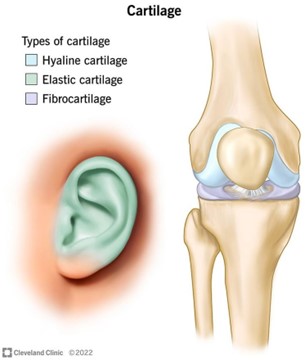
D. Increased joint stiffness due to loss of elasticity in joint cartilage
When teaching an older adult client about age-related changes, it is important for the nurse to provide accurate and relevant information. Joint stiffness is a commonly experienced age-related change that occurs due to the natural loss of elasticity in joint cartilage. As people age, their joints may become stiffer and less flexible, making movements and activities more challenging.
Full Explanation
d. Increased joint stiffness due to loss of elasticity in joint cartilage.
Explanation:
The correct answer is d. Increased joint stiffness due to loss of elasticity in joint cartilage.
When teaching an older adult client about age-related changes, it is important for the nurse to provide accurate and relevant information. Joint stiffness is a commonly experienced age-related change that occurs due to the natural loss of elasticity in joint cartilage. As people age, their joints may become stiffer and less flexible, making movements and activities more challenging.
Option a is not the correct answer. Increased nail growth due to the buildup of calcium deposits is not an expected age-related change. Nail growth is primarily determined by factors such as genetics, overall health, and nutritional status, rather than calcium deposits.
Option b is not the correct answer. Increased perspiration due to overproduction by the sweat glands is not an expected age-related change. In fact, older adults may experience a decrease in the production of sweat, which can make them more susceptible to heat-related illnesses and dehydration.
Option c is not the correct answer. Increased cardiac output due to weakened heart walls is not an expected age-related change. With aging, the heart muscles may become stiffer and less efficient, leading to a decrease in cardiac output rather than an increase.
By focusing on the expected age-related change of increased joint stiffness due to loss of elasticity in joint cartilage, the nurse can provide accurate information and help the older adult client understand and manage this common aspect of the aging process.
A nurse is reinforcing teaching with an adolescent who has a new prescription for cefazolin.
For which of the following findings should the nurse instruct the adolescent to monitor and report to the provider?
A. Constipation
A. Constipation: Constipation is not a typical adverse effect of cefazolin. Antibiotics generally cause gastrointestinal symptoms like diarrhea rather than constipation, so this is not a primary concern with cefazolin therapy.
B. Elevated skin patches
B. Elevated skin patches: Elevated skin patches may indicate an allergic reaction, such as hives or a rash, which can be a serious side effect of cefazolin. Allergic reactions to antibiotics can escalate quickly and may require immediate medical attention. Monitoring for and reporting any skin changes is important to prevent potential complications.
C. Ringing in the ears
C. Ringing in the ears: Tinnitus (ringing in the ears) is not commonly associated with cefazolin. This symptom is more frequently associated with certain other antibiotics, such as aminoglycosides, but is not a primary concern with cefazolin use.
D. Depression
D. Depression: Depression is not a known side effect of cefazolin. While mood changes may be seen with some medications, cefazolin’s primary side effects are related to hypersensitivity reactions and gastrointestinal symptoms.
E. None
None
F. None
None
Full Explanation
Answer: B. Elevated skin patches
Rationale:
A. Constipation:
Constipation is not a typical adverse effect of cefazolin. Antibiotics generally cause gastrointestinal symptoms like diarrhea rather than constipation, so this is not a primary concern with cefazolin therapy.
B. Elevated skin patches:
Elevated skin patches may indicate an allergic reaction, such as hives or a rash, which can be a serious side effect of cefazolin. Allergic reactions to antibiotics can escalate quickly and may require immediate medical attention. Monitoring for and reporting any skin changes is important to prevent potential complications.
C. Ringing in the ears:
Tinnitus (ringing in the ears) is not commonly associated with cefazolin. This symptom is more frequently associated with certain other antibiotics, such as aminoglycosides, but is not a primary concern with cefazolin use.
D. Depression:
Depression is not a known side effect of cefazolin. While mood changes may be seen with some medications, cefazolin’s primary side effects are related to hypersensitivity reactions and gastrointestinal symptoms.