Nursing practice questions with comprehensive rationales
NurseDive Free Nursing Practice Question
A nurse is reviewing the medical record of a client. Which of the following findings should the nurse report to the provider?
These are the medical report: Abdomen soft, no palpable mass, bowel sounds heard.
Temperature 97.7°F, Urine specific gravity 1.035, albumin 4.5 mg/L, prealbumin 25 mg/dL and potassium 4.2 mg/dL
A. Urine specific gravity
Urine specific gravity is the measurement of the concentration of solutes in urine and is an important indicator of the client's hydration status and kidney function. A specific gravity of 1.035 is relatively high, suggesting concentrated urine. High urine specific gravity can be a sign of dehydration or other kidney-related issues. Reporting this finding to the provider is crucial because it could indicate potential problems with the client's fluid balance and kidney function. The provider may need to assess further, conduct additional tests, or initiate appropriate interventions to address the client's hydration and renal status.
B. Prealbumin
Prealbumin: A prealbumin level of 25 mg/dL is within the normal range (usually 15-35 mg/dL) and may not require immediate reporting to the provider. Prealbumin is used to assess nutritional status, and this result suggests that the client's nutritional status is within the normal range.
C. Temperature
Temperature: The normal range is 36.5°-37.5°C (97.7°-99.5°F),thus it falls within normal range.
D. Bowel sounds
Bowel sounds: Bowel sounds heard is a normal finding and indicates normal gastrointestinal function.
This question is an excerpt from Nurse Dive's nursing test bank - PN Comprehensive Predictor 2023 Proctored Exam. Take the full exam now
Full Explanation
Choice A reason:
Urine specific gravity is the measurement of the concentration of solutes in urine and is an important indicator of the client's hydration status and kidney function. A specific gravity of 1.035 is relatively high, suggesting concentrated urine. High urine specific gravity can be a sign of dehydration or other kidney-related issues.
Reporting this finding to the provider is crucial because it could indicate potential problems with the client's fluid balance and kidney function. The provider may need to assess further, conduct additional tests, or initiate appropriate interventions to address the client's hydration and renal status.
Choice B reason:
Prealbumin: A prealbumin level of 25 mg/dL is within the normal range (usually 15-35 mg/dL) and may not require immediate reporting to the provider. Prealbumin is used to assess nutritional status, and this result suggests that the client's nutritional status is within the normal range.
Choice C reason:
Temperature: The normal range is 36.5°-37.5°C (97.7°-99.5°F),thus it falls within normal range.
Choice D reason
Bowel sounds: Bowel sounds: Bowel sounds heard is a normal finding and indicates normal gastrointestinal function.
Similar Questions
A nurse is teaching a parent of a school-age child who is to begin a daily dose of methylphenidate. Which of the following should the nurse include in the teaching?
A. "You should administer the medication at bedtime."
This statement is incorrect option. Administering methylphenidate at bedtime is not appropriate because it is a stimulant medication, and taking it in the evening could interfere with the child's ability to fall asleep and disrupt their sleep pattern.
B. "Your child should avoid foods containing tyramine."
This statement is incorrect option. Tyramine is not a concern with methylphenidate. Tyramine is associated with certain antidepressant medications, such as MAO inhibitors. Methylphenidate is not a MAO inhibitor, so there is no need for the child to avoid tyramine-containing foods.
C. "You should administer the medication after breakfast"
You should administer the medication after breakfast." This is the correct option. Administering methylphenidate after breakfast is a common practice because it allows the child to benefit from the medication during school hours when improved attention and focus are needed the most.
D. "Your child should avoid excess sodium intake."
This statement is an incorrect option. Excess sodium intake is not directly related to methylphenidate use. However, it is generally a good idea for anyone, including children, to have a balanced and healthy diet, which may include monitoring sodium intake. But it is not specifically tied to the administration of methylphenidate.
Full Explanation
Choice A reason:
"You should administer the medication at bedtime." This statement is incorrect option. Administering methylphenidate at bedtime is not appropriate because it is a stimulant medication, and taking it in the evening could interfere with the child's ability to fall asleep and disrupt their sleep pattern.
"Your child should avoid foods containing tyramine. “This statement is incorrect option. Tyramine is not a concern with methylphenidate. Tyramine is associated with certain antidepressant medications, such as MAO inhibitors. Methylphenidate is not a MAO inhibitor, so there is no need for the child to avoid tyramine-containing foods.
Option C: "You should administer the medication after breakfast." This is the correct option. Administering methylphenidate after breakfast is a common practice because it allows the child to benefit from the medication during school hours when improved attention and focus are needed the most.
"Your child should avoid excess sodium intake." This statement is an incorrect option. Excess sodium intake is not directly related to methylphenidate use. However, it is generally a good idea for anyone, including children, to have a balanced and healthy diet, which may include monitoring sodium intake. But it is not specifically tied to the administration of methylphenidate.
A nurse is building a therapeutic relationship with a newly admitted client. Which of the following actions should the nurse plan to take during the orientation phase of the relationship?
A. Determine previous coping skills used by the client.
Determine previous coping skills used by the client is not appropriate. Assessing the client's previous coping skills is an essential step in the assessment phase of the therapeutic relationship, not specifically during the orientation phase. This information helps the nurse to understand the client's coping mechanisms and identify potential areas for improvement or support.
B. Facilitate the client's problem-solving skillls
Facilitate the client's problem-solving skills is not appropriate the nurse may work on facilitating the client's problem-solving skills throughout the therapeutic relationship, including during the working phase. During this phase, the nurse and client collaborate to explore and address the client's concerns and challenges.
C. Assist the client in expressing alternative behaviours.
Assisting the client in expressing alternative behaviours is not appropriate. This action may also be part of the working phase, where the nurse helps the client explore alternative behaviours and coping strategies to address their issues and challenges.
D. Establish the responsibilities of the nurse and client
The orientation phase is the initial stage of the therapeutic relationship where the nurse and the client get to know each other and establish the groundwork for their working relationship. During this phase, it is essential to clarify the roles and responsibilities of both the nurse and the client to ensure a clear understanding of each other's expectations.
Full Explanation
Choice A reason:
Determine previous coping skills used by the client is not appropriate. Assessing the client's previous coping skills is an essential step in the assessment phase of the therapeutic relationship, not specifically during the orientation phase. This information helps the nurse to understand the client's coping mechanisms and identify potential areas for improvement or support.
Choice B reason:
Facilitate the client's problem-solving skills is not appropriate the nurse may work on facilitating the client's problem-solving skills throughout the therapeutic relationship, including during the working phase. During this phase, the nurse and client collaborate to explore and address the client's concerns and challenges.
Choice C reason:
Assisting the client in expressing alternative behaviours is not appropriate. This action may also be part of the working phase, where the nurse helps the client explore alternative behaviours and coping strategies to address their issues and challenges.
Choice D reason:
The orientation phase is the initial stage of the therapeutic relationship where the nurse and the client get to know each other and establish the groundwork for their working relationship. During this phase, it is essential to clarify the roles and responsibilities of both the nurse and the client to ensure a clear understanding of each other's expectations.
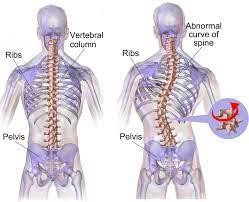
A school nurse is performing scoliosis screenings. The nurse should recognize which of the following clinical manifestations as an indication of scoliosis?
A. Mild pain at the hip region
Mild pain in the hip region can be caused by various musculoskeletal issues, such as muscle strains, bursitis, or even referred pain from other areas. It is not a characteristic symptom of scoliosis.
B. Uneven shoulder and pelvic heights
Scoliosis is characterized by an abnormal sideways curvature of the spine, which can cause uneven shoulders and pelvic heights. As the spine curves abnormally, it can lead to asymmetry in the shoulders and hips, which are noticeable during physical examination. This asymmetry is a key clinical sign that suggests the presence of scoliosis.
C. Limited range of motion of hips
Limited range of motion (ROM) of the hips is more likely related to hip joint issues or musculoskeletal conditions affecting the hips, not specifically scoliosis.
D. Exaggerated curvature of the sacrum
Exaggerated curvature of the sacrum may indicate other spinal abnormalities or conditions affecting the lower back, but it is not typically associated with scoliosis, which primarily affects the curvature of the spine higher up in the thoracic or lumbar regions.
Full Explanation
Choice A reason:
Mild pain in the hip region can be caused by various musculoskeletal issues, such as muscle strains, bursitis, or even referred pain from other areas. It is not a characteristic symptom of scoliosis.
Choice B reason
Scoliosis is characterized by an abnormal sideways curvature of the spine, which can cause uneven shoulders and pelvic heights. As the spine curves abnormally, it can lead to asymmetry in the shoulders and hips, which are noticeable during physical examination. This asymmetry is a key clinical sign that suggests the presence of scoliosis.
Choice C reason:
Limited range of motion (ROM) of the hips is more likely related to hip joint issues or musculoskeletal conditions affecting the hips, not specifically scoliosis.
Choice D reason:
Exaggerated curvature of the sacrum may indicate other spinal abnormalities or conditions affecting the lower back, but it is not typically associated with scoliosis, which primarily affects the curvature of the spine higher up in the thoracic or lumbar regions.