
Nursing practice questions with comprehensive rationales
NurseDive Free Nursing Practice Question
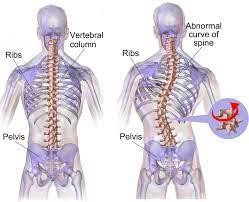
A school nurse is performing scoliosis screenings. The nurse should recognize which of the following clinical manifestations as an indication of scoliosis?
A. Mild pain at the hip region
Mild pain in the hip region can be caused by various musculoskeletal issues, such as muscle strains, bursitis, or even referred pain from other areas. It is not a characteristic symptom of scoliosis.
B. Uneven shoulder and pelvic heights
Scoliosis is characterized by an abnormal sideways curvature of the spine, which can cause uneven shoulders and pelvic heights. As the spine curves abnormally, it can lead to asymmetry in the shoulders and hips, which are noticeable during physical examination. This asymmetry is a key clinical sign that suggests the presence of scoliosis.
C. Limited range of motion of hips
Limited range of motion (ROM) of the hips is more likely related to hip joint issues or musculoskeletal conditions affecting the hips, not specifically scoliosis.
D. Exaggerated curvature of the sacrum
Exaggerated curvature of the sacrum may indicate other spinal abnormalities or conditions affecting the lower back, but it is not typically associated with scoliosis, which primarily affects the curvature of the spine higher up in the thoracic or lumbar regions.
This question is an excerpt from Nurse Dive's nursing test bank - PN Comprehensive Predictor 2023 Proctored Exam. Take the full exam now
Full Explanation
Choice A reason:
Mild pain in the hip region can be caused by various musculoskeletal issues, such as muscle strains, bursitis, or even referred pain from other areas. It is not a characteristic symptom of scoliosis.
Choice B reason
Scoliosis is characterized by an abnormal sideways curvature of the spine, which can cause uneven shoulders and pelvic heights. As the spine curves abnormally, it can lead to asymmetry in the shoulders and hips, which are noticeable during physical examination. This asymmetry is a key clinical sign that suggests the presence of scoliosis.
Choice C reason:
Limited range of motion (ROM) of the hips is more likely related to hip joint issues or musculoskeletal conditions affecting the hips, not specifically scoliosis.
Choice D reason:
Exaggerated curvature of the sacrum may indicate other spinal abnormalities or conditions affecting the lower back, but it is not typically associated with scoliosis, which primarily affects the curvature of the spine higher up in the thoracic or lumbar regions.
Similar Questions
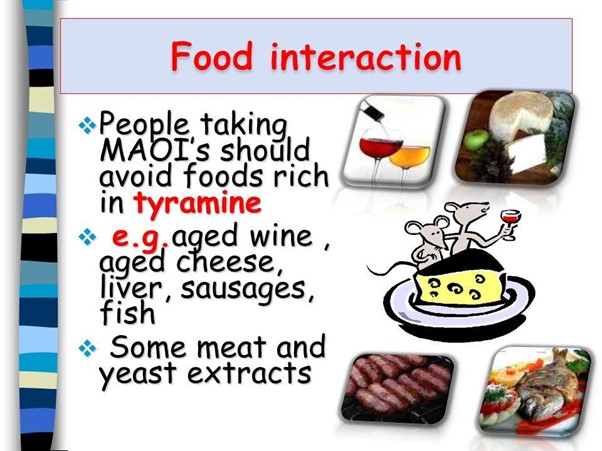
A nurse is teaching a client who has a new prescription for an MAOI. Which of the following foods is contraindicated with this medication?
A. Cheese
Among the options listed, cheese is the food that is contraindicated with MAOI use. Cheese is high in tyramine, and consuming it while taking MAOIs can lead to a potentially life-threatening hypertensive crisis. An MAOI (Monoamine Oxidase Inhibitor) is a type of medication used to treat depression, anxiety, and other psychiatric disorders. When taking MAOIs, it is important to avoid certain foods that contain high levels of tyramine, as it can lead to a dangerous increase in blood pressure known as a hypertensive crisis.
B. Potatoes
Potatoes: Potatoes are not contraindicated with MAOI use. They do not contain significant levels of tyramine.
C. Grapefruit
Grapefruit: Grapefruit is not contraindicated with MAOI use. However, it can interact with certain medications, so it's always a good idea to check with the healthcare provider or pharmacist about specific medication interactions.
D. Eggs
Eggs: Eggs are not contraindicated with MAOI use. Like potatoes, they do not contain significant levels of tyramine.
Full Explanation
Choice A reason:
Among the options listed, cheese is the food that is contraindicated with MAOI use. Cheese is high in tyramine, and consuming it while taking MAOIs can lead to a potentially life-threatening hypertensive crisis.
An MAOI (Monoamine Oxidase Inhibitor) is a type of medication used to treat depression, anxiety, and other psychiatric disorders. When taking MAOIs, it is important to avoid certain foods that contain high levels of tyramine, as it can lead to a dangerous increase in blood pressure known as a hypertensive crisis.
Choice B reason:
Potatoes: Potatoes are not contraindicated with MAOI use. They do not contain significant levels of tyramine.
Choice C reason:
Grapefruit: Grapefruit is not contraindicated with MAOI use. However, it can interact with certain medications, so it's always a good idea to check with the healthcare provider or pharmacist about specific medication interactions.
Choice D reason:
Eggs: Eggs are not contraindicated with MAOI use. Like potatoes, they do not contain significant levels of tyramine.
A nurse is providing discharge teaching for a client who has a new implantable cardioverter defibrillator (ICD). Which of the following client statements demonstrates understanding of the teaching?
A. "I will avoid using my microwave oven at home because of the ICD."
"I will avoid using my microwave oven at home because of the ICD."This statement is incorrect. Using a microwave oven does not interfere with the functioning of an ICD. It is safe for clients with ICDs to use microwave ovens.
B. "I can hold my cell phone on the same side of my body as the ICD."
"I can hold my cell phone on the same side of my body as the ICD."This statement is incorrect Holding a cell phone on the same side of the body as the ICD should not cause any harm or interfere with the device's functioning.
C. "I will wear loose clothing over my ICD
"I will wear loose clothing over my ICD." This statement is correct and demonstrates understanding of the teaching. Wearing loose clothing over the ICD helps prevent excessive pressure or friction on the device and reduces the risk of dislodging the ICD leads or causing discomfort.
D. "I will soak in the tub rather than showering."
"I will soak in the tub rather than showering." This statement is incorrect. Avoiding showers is not necessary for clients with ICDs. Taking showers is generally safe for individuals with ICDs, as the device is designed to be waterproof and withstand such conditions.
Full Explanation
Choice A reason:
"I will avoid using my microwave oven at home because of the ICD."This statement is incorrect. Using a microwave oven does not interfere with the functioning of an ICD. It is safe for clients with ICDs to use microwave ovens.
Choice B reason:
"I can hold my cell phone on the same side of my body as the ICD."This statement is incorrect Holding a cell phone on the same side of the body as the ICD should not cause any harm or interfere with the device's functioning.
Choice C reason:
"I will wear loose clothing over my ICD." This statement is correct and demonstrates understanding of the teaching. Wearing loose clothing over the ICD helps prevent excessive pressure or friction on the device and reduces the risk of dislodging the ICD leads or causing discomfort.
Choice D reason:
"I will soak in the tub rather than showering." This statement is incorrect. Avoiding showers is not necessary for clients with ICDs. Taking showers is generally safe for individuals with ICDs, as the device is designed to be waterproof and withstand such conditions.
A nurse is assessing a child who has bacterial pneumonia. Which of the following manifestations should the nurse expect?
A. Arch
Arching should not be expected. Arching of the body is not a typical manifestation of bacterial pneumonia. It may be seen in infants with certain conditions such as abdominal pain or neurologic issues, but it is not specific to pneumonia.
B. Drooling
Drooling should not be expected. Drooling is not a common manifestation of bacterial pneumonia. It may be seen in certain conditions affecting the throat or mouth, but it is not directly related to pneumonia.
C. Fever
Fever is the correct answer. Bacterial pneumonia is an infection in the lungs caused by bacteria. When a child has bacterial pneumonia, their body's immune system responds to the infection, leading to inflammation and fever.
D. Steatorrhea
Steatorrhea should not be expected. Steatorrhea refers to fatty, bulky, and foul-smelling stools and is not associated with bacterial pneumonia. Steatorrhea may be seen in conditions affecting the gastrointestinal system and fat absorption.
Full Explanation
Choice A reason:
Arching should not be expected. Arching of the body is not a typical manifestation of bacterial pneumonia. It may be seen in infants with certain conditions such as abdominal pain or neurologic issues, but it is not specific to pneumonia.
Choice B reason:
Drooling should not be expected. Drooling is not a common manifestation of bacterial pneumonia. It may be seen in certain conditions affecting the throat or mouth, but it is not directly related to pneumonia.
Choice C reason:
Fever is the correct answer. Bacterial pneumonia is an infection in the lungs caused by bacteria. When a child has bacterial pneumonia, their body's immune system responds to the infection, leading to inflammation and fever.
Choice D reason:
Steatorrhea should not be expected. Steatorrhea refers to fatty, bulky, and foul-smelling stools and is not associated with bacterial pneumonia. Steatorrhea may be seen in conditions affecting the gastrointestinal system and fat absorption.
Choice E reason:
Tinnitus should not be expected. Tinnitus is the perception of noise or ringing in the ears and is not a typical manifestation of bacterial pneumonia. Tinnitus can be associated with various ear-related conditions or medication side effects, but it is not directly related to pneumonia.