
Nursing practice questions with comprehensive rationales
NurseDive Free Nursing Practice Question
A nurse is reviewing the medical record of a newly admitted client.
Which of the following laboratory values should the nurse report to the provider?
A. Potassium 5.8 mEg/L.
“Potassium 5.8 mEq/L” should be reported to the provider because it is higher than the normal range for potassium levels in the blood. Normal potassium levels range from.6 to 5.2 millimoles per liter (mmol/L)1.
B. Sodium 140 mEq/L.
Choices B, C, and D are incorrect because sodium levels of 140 mEq/L, and magnesium levels of.9 mEq/L and calcium levels of 9.6 mg/dL are all within normal ranges and do not need to be reported to the provider.
C. Magnesium.9 mEq/L.
Choices B, C, and D are incorrect because sodium levels of 140 mEq/L, and magnesium levels of.9 mEq/L and calcium levels of 9.6 mg/dL are all within normal ranges and do not need to be reported to the provider.
D. Calcium 9.6 mg/dL.
Choices B, C, and D are incorrect because sodium levels of 140 mEq/L, and magnesium levels of.9 mEq/L and calcium levels of 9.6 mg/dL are all within normal ranges and do not need to be reported to the provider.
This question is an excerpt from Nurse Dive's nursing test bank - ATI RN Fundamentals 2019 with NGN Proctored Exam. Take the full exam now
Full Explanation
“Potassium 5.8 mEq/L” should be reported to the provider because it is higher than the normal range for potassium levels in the blood.
Normal potassium levels range from.6 to 5.2 millimoles per liter (mmol/L)1.
Choices B, C, and D are incorrect because sodium levels of 140 mEq/L, and magnesium levels of.9 mEq/L and calcium levels of 9.6 mg/dL are all within normal ranges and do not need to be reported to the provider.
Similar Questions
A nurse is providing teaching to a client who has a newly prescribed hearing aid. Which of the following statements by the client indicates an understanding of the teaching?
A. "After I insert the hearing aid, I will turn it up as high as it will go.".
Choice A is wrong because turning the hearing aid up as high as it will go can cause discomfort and may not improve hearing.
B. "I will need to get a new hearing aid every year.".
Choice B is wrong because hearing aids typically last several years with proper care and maintenance.
C. "I should leave the battery in the hearing aid when I take it out to sleep.".
Choice C is wrong because it’s important to remove the battery from the hearing aid when not in use to preserve battery life.
D. "I should gradually increase the time that I wear the hearing aid.".
This statement indicates that the client understands the importance of gradually adjusting to wearing a hearing aid. It can take time for the brain to adapt to new sounds and volume levels, so it’s important to increase usage gradually.
Full Explanation
This statement indicates that the client understands the importance of gradually adjusting to wearing a hearing aid.
It can take time for the brain to adapt to new sounds and volume levels, so it’s important to increase usage gradually.
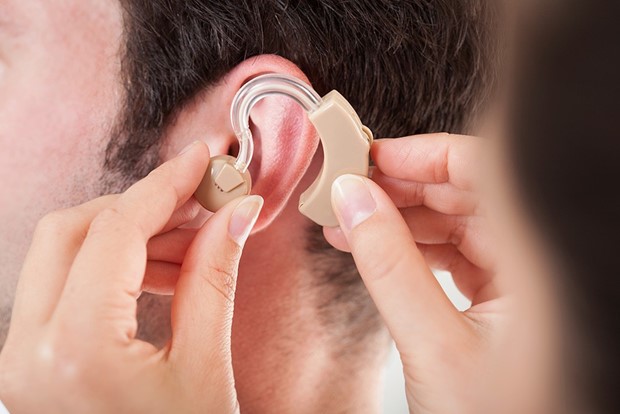
Choice A is wrong because turning the hearing aid up as high as it will go can cause discomfort and may not improve hearing.
Choice B is wrong because hearing aids typically last several years with proper care and maintenance.
Choice C is wrong because it’s important to remove the battery from the hearing aid when not in use to preserve battery life.
A nurse is teaching a client who is about to undergo a bowel resection about advance directives.
A. "You are required to sign advance directives prior to having surgery."
Choice A is wrong because signing advance directives is not a requirement for undergoing surgery.
B. "Your provider must sign the advance directives before surgery."
Choice B is wrong because the provider does not need to sign the advance directives.
C. "You will receive written information about advance directives prior to signing."
This statement indicates that the client will be provided with information about advance directives before making a decision. Advance directives are legal documents that allow individuals to communicate their wishes for medical treatment in the event that they are unable to make decisions for themselves.
D. "Your partner must be present when you sign the advance directives."
Choice D is wrong because the presence of a partner is not required when signing advance directives.
Full Explanation
This statement indicates that the client will be provided with information about advance directives before making a decision.
Advance directives are legal documents that allow individuals to communicate their wishes for medical treatment in the event that they are unable to make decisions for themselves.
Choice A is wrong because signing advance directives is not a requirement for undergoing surgery.
Choice B is wrong because the provider does not need to sign the advance directives.
Choice D is wrong because the presence of a partner is not required when signing advance directives.
A nurse is preparing to obtain informed consent from a client who speaks a different language than the nurse and is scheduled for surgery.
Which of the following actions should the nurse take?
A. Have the client nod to indicate understanding.
Choice A is wrong because nodding alone is not sufficient to indicate understanding.
B. Recommend an interpreter who is the same gender as the client.
This statement indicates that the nurse should take steps to ensure effective communication with the client by recommending an interpreter who is the same gender as the client. This can help to facilitate understanding and comfort during the informed consent process.
C. Use medical terminology when explaining the procedure.
Choice C is wrong because using medical terminology can be confusing and may not facilitate understanding.
D. Address all questions to the interpreter.
Choice D is wrong because questions should be addressed directly to the client, with the interpreter facilitating communication.
Full Explanation
This statement indicates that the nurse should take steps to ensure effective communication with the client by recommending an interpreter who is the same gender as the client.
This can help to facilitate understanding and comfort during the informed consent process.

Choice A is wrong because nodding alone is not sufficient to indicate understanding.
Choice C is wrong because using medical terminology can be confusing and may not facilitate understanding.
Choice D is wrong because questions should be addressed directly to the client, with the interpreter facilitating communication.