
Nursing practice questions with comprehensive rationales
NurseDive Free Nursing Practice Question
A nurse is reviewing the plan of care with a client who has a new prescription for lovastatin. Which of the following statements by the client should indicate to the nurse a need for further assessment?
A. "I should avoid drinking grapefruit juice."
"I should avoid drinking grapefruit juice." This statement is actually accurate. Grapefruit juice can interfere with the metabolism of certain statin medications, including lovastatin, leading to increased levels of the drug in the body. Advising against grapefruit juice consumption is a recommended precaution when taking lovastatin, so this statement shows the client's understanding of this interaction.
B. "I am trying to decrease my dietary fat intake."
"I was just diagnosed with hepatitis B. "Hepatitis B can affect liver function, and statin medications like lovastatin can potentially impact liver enzymes. Therefore, in someone with a history of hepatitis B, it's crucial to assess liver function before starting a statin and to monitor the liver during treatment. This statement raises concerns about potential liver complications or interactions that require further evaluation before initiating lovastatin.
C. "I was just diagnosed with hepatitis B."
D. "I take metformin for my diabetes."
"I take metformin for my diabetes." Metformin, a medication for diabetes, does not directly interact with lovastatin. While it's relevant to know the client's other medications, this statement doesn't indicate a need for immediate further assessment regarding the use of lovastatin.
This question is an excerpt from Nurse Dive's nursing test bank - RN Pharmacology 2019 Proctored Exam 5. Take the full exam now
Full Explanation
Choice A Reason:
"I should avoid drinking grapefruit juice." This statement is actually accurate. Grapefruit juice can interfere with the metabolism of certain statin medications, including lovastatin, leading to increased levels of the drug in the body. Advising against grapefruit juice consumption is a recommended precaution when taking lovastatin, so this statement shows the client's understanding of this interaction.
Choice B Reason:
"I am trying to decrease my dietary fat intake." This statement reflects a positive lifestyle change. Lowering dietary fat intake is often recommended for individuals on statin medications to help manage cholesterol levels. This statement demonstrates the client's commitment to making healthy dietary adjustments, which aligns with the treatment plan.
Choice B Reason:
"I was just diagnosed with hepatitis B. "Hepatitis B can affect liver function, and statin medications like lovastatin can potentially impact liver enzymes. Therefore, in someone with a history of hepatitis B, it's crucial to assess liver function before starting a statin and to monitor the liver during treatment. This statement raises concerns about potential liver complications or interactions that require further evaluation before initiating lovastatin.
Choice D Reason:
"I take metformin for my diabetes." Metformin, a medication for diabetes, does not directly interact with lovastatin. While it's relevant to know the client's other medications, this statement doesn't indicate a need for immediate further assessment regarding the use of lovastatin.
Similar Questions
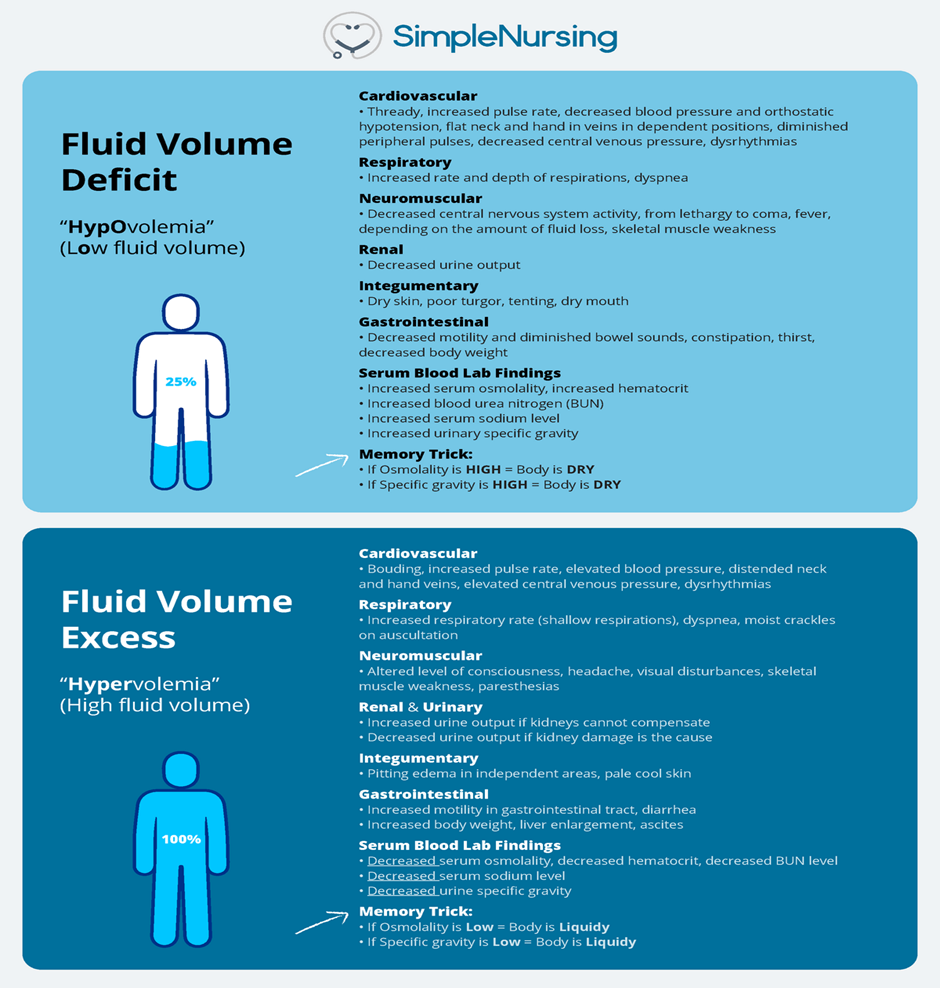
A nurse is assessing a client who is receiving intravenous therapy. The nurse should identify which of the following findings as a manifestation of fluid volume excess?
A. Bilateral muscle weakness
Bilateral muscle weakness is not typically associated specifically with fluid volume excess. Muscle weakness can result from various causes, such as electrolyte imbalances or certain medical conditions, but it's not a primary manifestation of fluid volume excess.
B. Thready pulse
Thready pulse is not correct. A thready pulse refers to a weak and barely palpable pulse. This is more commonly associated with conditions like shock or reduced cardiac output rather than fluid volume excess.
C. Decreased bowel sounds
Decreased bowel sounds is not correct. Reduced or absent bowel sounds may indicate gastrointestinal issues, but they are not a direct manifestation of fluid volume excess. Increased bowel sounds might be more associated with certain types of gastrointestinal disturbances or fluid imbalances, but decreased sounds are not a typical sign of fluid volume excess.
D. Distended neck veins
Distended neck veins is correct. In a client experiencing fluid volume excess, distended neck veins can often be observed due to increased venous pressure. This occurs as a result of the body retaining more fluid than it can handle, leading to an increase in blood volume and pressure within the vascular system. This can cause the jugular veins in the neck to appear distended or prominent.
Full Explanation
Choice A Reason:
Bilateral muscle weakness is not typically associated specifically with fluid volume excess. Muscle weakness can result from various causes, such as electrolyte imbalances or certain medical conditions, but it's not a primary manifestation of fluid volume excess.
Choice B Reason:
Thready pulse is not correct. A thready pulse refers to a weak and barely palpable pulse. This is more commonly associated with conditions like shock or reduced cardiac output rather than fluid volume excess.
Choice C Reason:
Decreased bowel sounds is not correct. Reduced or absent bowel sounds may indicate gastrointestinal issues, but they are not a direct manifestation of fluid volume excess. Increased bowel sounds might be more associated with certain types of gastrointestinal disturbances or fluid imbalances, but decreased sounds are not a typical sign of fluid volume excess.
Choice D Reason:
Distended neck veins is correct. In a client experiencing fluid volume excess, distended neck veins can often be observed due to increased venous pressure. This occurs as a result of the body retaining more fluid than it can handle, leading to an increase in blood volume and pressure within the vascular system. This can cause the jugular veins in the neck to appear distended or prominent.
A nurse is teaching a client who has pernicious anemia to self-administer nasal cyanocobalamin. Which of the following information should the nurse include in the teaching?
A. "Lie down for 1 hour after administering the medication."
There's no requirement to lie down for an hour after administering nasal cyanocobalamin.
B. "Plan to self-administer this medication for the next 6 months."
The duration of treatment might vary depending on the healthcare provider's instructions and the client's response, so stating a specific duration of 6 months may not be accurate.
C. "Administer the medication into one nostril once per week."
"Administer the medication into one nostril once per week. “Nasal cyanocobalamin is typically used weekly for the treatment of pernicious anemia. It's administered into one nostril as directed by a healthcare provider. This method allows for the absorption of vitamin B12 through the nasal mucosa.
D. "Use a nasal decongestant 15 minutes before the medication if you have a stuffy nose."
Using a nasal decongestant before administering the medication is not typically part of the recommended administration protocol for nasal cyanocobalamin.
Full Explanation
Choice A Reason:
There's no requirement to lie down for an hour after administering nasal cyanocobalamin.
Choice B Reason:
The duration of treatment might vary depending on the healthcare provider's instructions and the client's response, so stating a specific duration of 6 months may not be accurate.
Choice C Reason:
"Administer the medication into one nostril once per week. “Nasal cyanocobalamin is typically used weekly for the treatment of pernicious anemia. It's administered into one nostril as directed by a healthcare provider. This method allows for the absorption of vitamin B12 through the nasal mucosa.
Choice D Reason:
Using a nasal decongestant before administering the medication is not typically part of the recommended administration protocol for nasal cyanocobalamin.

A nurse is caring for a client who has diabetes insipidus and is receiving desmopressin by intermittent IV bolus. Which of the following manifestations should indicate to the nurse a therapeutic response to the medication?
A. Increase in serum glucose
Increase in serum glucose is incorrect. Desmopressin, which is a synthetic form of vasopressin, primarily affects water reabsorption in the kidneys and doesn't directly impact glucose levels. Therefore, an increase in serum glucose wouldn't be an expected therapeutic response to desmopressin for diabetes insipidus.
B. Decrease in blood pressure
Decrease in blood pressure is incorrect. Desmopressin is primarily used for its antidiuretic effect, concentrating urine by increasing water reabsorption in the kidneys. It typically doesn't have a significant impact on blood pressure. Therefore, a decrease in blood pressure wouldn't typically be an anticipated therapeutic response to desmopressin in this context.
C. Decrease in urine output
Decrease in urine output is correct. Desmopressin is a synthetic form of vasopressin (antidiuretic hormone) used to treat diabetes insipidus, a condition characterized by excessive urination and extreme thirst due to the inability to concentrate urine. The primary goal of desmopressin is to reduce urine output by increasing water reabsorption in the kidneys, thereby decreasing excessive urination. Therefore, a decrease in urine output would indicate a therapeutic response to the medication in this context.
D. Increase in WBC count
Increase in WBC count is incorrect. Desmopressin's action is centered on affecting kidney function by regulating water reabsorption and does not involve changes in white blood cell count. Consequently, an increase in WBC count wouldn't be an expected therapeutic response to desmopressin for diabetes insipidus.
Full Explanation
Choice A Reason:
Increase in serum glucose is incorrect. Desmopressin, which is a synthetic form of vasopressin, primarily affects water reabsorption in the kidneys and doesn't directly impact glucose levels. Therefore, an increase in serum glucose wouldn't be an expected therapeutic response to desmopressin for diabetes insipidus.
Choice B Reason:
Decrease in blood pressure is incorrect. Desmopressin is primarily used for its antidiuretic effect, concentrating urine by increasing water reabsorption in the kidneys. It typically doesn't have a significant impact on blood pressure. Therefore, a decrease in blood pressure wouldn't typically be an anticipated therapeutic response to desmopressin in this context.
Choice C Reason:
Decrease in urine output is correct. Desmopressin is a synthetic form of vasopressin (antidiuretic hormone) used to treat diabetes insipidus, a condition characterized by excessive urination and extreme thirst due to the inability to concentrate urine. The primary goal of desmopressin is to reduce urine output by increasing water reabsorption in the kidneys, thereby decreasing excessive urination. Therefore, a decrease in urine output would indicate a therapeutic response to the medication in this context.
Choice D Reason:
Increase in WBC count is incorrect. Desmopressin's action is centered on affecting kidney function by regulating water reabsorption and does not involve changes in white blood cell count. Consequently, an increase in WBC count wouldn't be an expected therapeutic response to desmopressin for diabetes insipidus.