
Nursing practice questions with comprehensive rationales
NurseDive Free Nursing Practice Question
A nurse is suctioning the airway of a client who is receiving mechanical ventilation via an endotracheal tube. Which of the following findings should the nurse identify as an indication that the suctioning has been effective?
A. Thinning of mucous secretions
While thinning of secretions can be a positive sign, it's not always visible. A decrease in peak inspiratory pressure is a more objective indicator of improved airway patency.
B. Decreased peak inspiratory pressure
Peak inspiratory pressure is the maximum pressure required to push air into the lungs. If suctioning is effective, it will remove secretions and reduce airway resistance, leading to a decrease in peak inspiratory pressure.
C. Presence of a productive cough
While a productive cough can indicate that secretions are being moved, it doesn't directly measure the effectiveness of suctioning.
D. Flattening of the artificial airway cuff
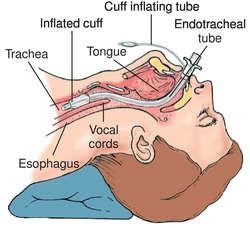
Flattening of the artificial airway cuff: Flattening of the artificial airway cuff is not a relevant indicator of the effectiveness of suctioning. The cuff of an endotracheal tube is inflated to prevent air leaks around the tube and to maintain proper ventilation. It is not directly related to the effectiveness of suctioning.
This question is an excerpt from Nurse Dive's nursing test bank - PN Comprehensive Predictor 2023 Proctored Exam. Take the full exam now
Full Explanation
Choice A reason
While thinning of secretions can be a positive sign, it's not always visible. A decrease in peak inspiratory pressure is a more objective indicator of improved airway patency.
Choice B reason.
Peak inspiratory pressure is the maximum pressure required to push air into the lungs. If suctioning is effective, it will remove secretions and reduce airway resistance, leading to a decrease in peak inspiratory pressure.
Choice C reason:
While a productive cough can indicate that secretions are being moved, it doesn't directly measure the effectiveness of suctioning.
Choice D reason:
Flattening of the artificial airway cuff: Flattening of the artificial airway cuff is not a relevant indicator of the effectiveness of suctioning. The cuff of an endotracheal tube is inflated to prevent air leaks around the tube and to maintain proper ventilation. It is not directly related to the effectiveness of suctioning.
Similar Questions
A nurse is providing teaching to family members of a client who has dementia. Which of the following instructions should the nurse include in the teaching?
A. Discourage physical activity during the day.
Discourage physical activity during the day is incorrect. Encouraging physical activity is generally beneficial for individuals with dementia. Regular exercise can improve mood, reduce agitation, and enhance overall health. However, the level and type of physical activity should be tailored to the individual's abilities and preferences.
B. Use clothing with buttons and zippers.
se clothing with buttons and zippers is incorrect. Clothing with buttons and zippers can be challenging for individuals with dementia due to fine motor skill impairments and difficulty with dressing. It is often recommended to use clothing with simple closures, such as Velcro or elastic bands, to make dressing easier and more manageable for the individual.
C. Establish a toileting schedule for the client
Individuals with dementia may experience difficulties with communication, memory, and problem-solving, which can affect their ability to recognize and express the need to use the restroom. As a result, they may be at risk of urinary or bowel incontinence. To address this concern and promote the client's comfort and dignity, establishing a toileting schedule is essential. A consistent routine for bathroom breaks can help prevent accidents and improve the client's overall well-being.
D. Engage the client in activities that increase sensory stimulation
Engage the client in activities that increase sensory stimulation is incorrect. While sensory stimulation activities can be enjoyable and engaging for individuals with dementia, it is essential to select activities that are appropriate and not overwhelming. Some individuals with dementia may become overstimulated, which can lead to agitation or distress. Activities should be tailored to the individual's preferences and abilities.
Full Explanation
Choice A reason:
Discourage physical activity during the day is incorrect. Encouraging physical activity is generally beneficial for individuals with dementia. Regular exercise can improve mood, reduce agitation, and enhance overall health. However, the level and type of physical activity should be tailored to the individual's abilities and preferences.
Choice B reason
Use clothing with buttons and zippers is incorrect. Clothing with buttons and zippers can be challenging for individuals with dementia due to fine motor skill impairments and difficulty with dressing. It is often recommended to use clothing with simple closures, such as Velcro or elastic bands, to make dressing easier and more manageable for the individual.
Choice C reason:
Individuals with dementia may experience difficulties with communication, memory, and problem-solving, which can affect their ability to recognize and express the need to use the restroom. As a result, they may be at risk of urinary or bowel incontinence. To address this concern and promote the client's comfort and dignity, establishing a toileting schedule is essential. A consistent routine for bathroom breaks can help prevent accidents and improve the client's overall well-being.
Choice D reason:
Engage the client in activities that increase sensory stimulation is incorrect. While sensory stimulation activities can be enjoyable and engaging for individuals with dementia, it is essential to select activities that are appropriate and not overwhelming. Some individuals with dementia may become overstimulated, which can lead to agitation or distress. Activities should be tailored to the individual's preferences and abilities.
A nurse is caring for a client whose partner died in a fire that destroyed their home. Which of the following actions should the nurse take first?
A. Empower the client to feel that he is in charge of his life.
Empowering the client to feel in charge of his life is essential for promoting coping and a sense of control over the situation. However, it may not be the first priority when the client's safety is in question.
B. Find the client a temporary shelter where he can feel safe.
Finding the client, a temporary shelter where he can feel safe is important for meeting the client's immediate physical needs, but it can be addressed after ensuring his emotional well-being and safety.
C. Determine if the client has thoughts about self-harm.
The client's partner has died in a traumatic event, and the loss of both a loved one and their home can be emotionally overwhelming and distressing. The nurse's first priority should be to assess the client's safety and well-being, especially considering the potential for thoughts of self-harm or suicide. Assessing for thoughts of self-harm is critical because the client may be experiencing intense grief, guilt, or hopelessness, which can increase the risk of self-harm or suicidal ideation. Identifying these thoughts early allows the nurse to initiate appropriate interventions, provide emotional support, and involve mental health professionals if necessary.
D. Review the client's available social support system
Reviewing the client's available social support system is significant for addressing the client's emotional needs and establishing a support network. However, ensuring the client's safety takes precedence over this action.
Full Explanation
Choice A reason
Empowering the client to feel in charge of his life is essential for promoting coping and a sense of control over the situation. However, it may not be the first priority when the client's safety is in question.
Choice B reason:
Finding the client, a temporary shelter where he can feel safe is important for meeting the client's immediate physical needs, but it can be addressed after ensuring his emotional well-being and safety.
Choice C reason
The client's partner has died in a traumatic event, and the loss of both a loved one and their home can be emotionally overwhelming and distressing. The nurse's first priority should be to assess the client's safety and well-being, especially considering the potential for thoughts of self-harm or suicide.
Assessing for thoughts of self-harm is critical because the client may be experiencing intense grief, guilt, or hopelessness, which can increase the risk of self-harm or suicidal ideation. Identifying these thoughts early allows the nurse to initiate appropriate interventions, provide emotional support, and involve mental health professionals if necessary.
Choice D reason
Reviewing the client's available social support system is significant for addressing the client's emotional needs and establishing a support network. However, ensuring the client's safety takes precedence over this action.
A nurse is caring for a client receiving mechanical ventilation via an endotracheal (ET) tube. The high-pressure alarm is beeping, and the client is experiencing respiratory distress. The nurse is unable to determine the cause of the alarm. Which of the following actions should the nurse take?
A. Re-evaluate the client for an ET cuff leak.
Re-evaluate the client for an ET cuff leak is not appropriate. While an ET cuff leak could contribute to respiratory distress, the immediate concern is the high-pressure alarm, which indicates increased resistance to airflow. The nurse should address the alarm first and then assess for other potential causes, including an ET cuff leak.
B. Assess for disconnected tubing.
Option B: Assess for disconnected tubing is not appropriate. A disconnected tubing is also a potential cause of the high-pressure alarm. However, before checking for disconnected tubing, the nurse should first deliver manual breaths with a resuscitation bag to provide the client with adequate ventilation.
C. Decrease the ventilator flow rate.
Decrease the ventilator flow rate is not appropriate. Decreasing the ventilator flow rate might not be the appropriate action in this situation, as the high-pressure alarm indicates increased resistance, which might require increased flow to overcome. Additionally, the nurse should not delay taking immediate action by adjusting ventilator settings without knowing the specific cause of the high-pressure alarm.
D. Deliver breaths manually with a resuscitation bag.
When the high-pressure alarm is beeping, and the client is experiencing respiratory distress, it indicates that there is an increased resistance to airflow within the ventilator circuit or the client's airway. This can be a life-threatening situation, and immediate action is required.
Full Explanation
Choice A reason
Re-evaluate the client for an ET cuff leak is not appropriate. While an ET cuff leak could contribute to respiratory distress, the immediate concern is the high-pressure alarm, which indicates increased resistance to airflow. The nurse should address the alarm first and then assess for other potential causes, including an ET cuff leak.
Choice B reason:
Option B: Assess for disconnected tubing is not appropriate. A disconnected tubing is also a potential cause of the high-pressure alarm. However, before checking for disconnected tubing, the nurse should first deliver manual breaths with a resuscitation bag to provide the client with adequate ventilation.
Choice C reason:
Decrease the ventilator flow rate is not appropriate. Decreasing the ventilator flow rate might not be the appropriate action in this situation, as the high-pressure alarm indicates increased resistance, which might require increased flow to overcome. Additionally, the nurse should not delay taking immediate action by adjusting ventilator settings without knowing the specific cause of the high-pressure alarm.
Choice D reason:
When the high-pressure alarm is beeping, and the client is experiencing respiratory distress, it indicates that there is an increased resistance to airflow within the ventilator circuit or the client's airway. This can be a life-threatening situation, and immediate action is required.