
Nursing practice questions with comprehensive rationales
NurseDive Free Nursing Practice Question
A nurse is teaching a parent about recommended protein intake for a toddler. The nurse should identify that which of the following food selections is equivalent to 1 oz of protein?
A. 1 slice of bread
1 slice of bread is equivalent to 1 oz of grains, not protein. Bread is a good source of carbohydrates, fiber, and B vitamins, but it does not provide enough protein for a toddler.
B. 1 scrambled egg
1 scrambled egg is equivalent to 1 oz of protein. Egg is a complete protein, meaning it contains all nine essential amino acids that the body cannot make. Egg is also a good source of iron, choline, and vitamin D.
C. 1/2 cup peas
1/2 cup peas is equivalent to 1/2 oz of protein and 1/2 cup of vegetables. Peas are an incomplete protein, meaning they lack some essential amino acids. Peas are also a good source of fiber, vitamin C, and folate.
D. 2 tbsp peanut butter
2 tbsp peanut butter is equivalent to 2 oz of protein. Peanut butter is an incomplete protein, but it can be combined with bread or crackers to form a complete protein. Peanut butter is also a good source of fat, magnesium, and niacin.
This question is an excerpt from Nurse Dive's nursing test bank - RN Nutrition 2019 Nexy Updated 2023 Proctored Exam. Take the full exam now
Full Explanation
Choice A reason: 1 slice of bread is equivalent to 1 oz of grains, not protein. Bread is a good source of carbohydrates, fiber, and B vitamins, but it does not provide enough protein for a toddler.
Choice B reason: 1 scrambled egg is equivalent to 1 oz of protein. Egg is a complete protein, meaning it contains all nine essential amino acids that the body cannot make. Egg is also a good source of iron, choline, and vitamin D.
Choice C reason: 1/2 cup peas is equivalent to 1/2 oz of protein and 1/2 cup of vegetables. Peas are an incomplete protein, meaning they lack some essential amino acids. Peas are also a good source of fiber, vitamin C, and folate.
Choice D reason: 2 tbsp peanut butter is equivalent to 2 oz of protein. Peanut butter is an incomplete protein, but it can be combined with bread or crackers to form a complete protein. Peanut butter is also a good source of fat, magnesium, and niacin.
Similar Questions
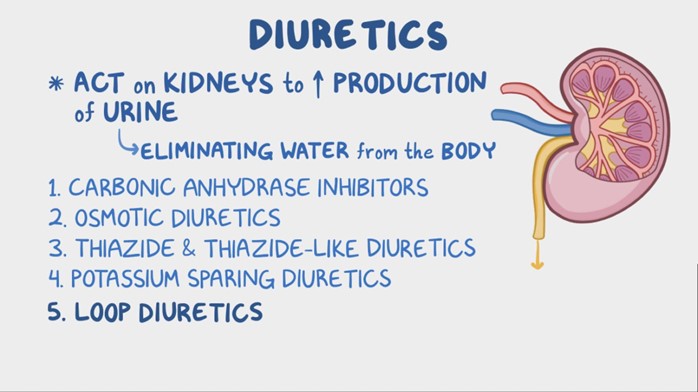
A client is taking a diuretic for treatment of hypertension. Which of the following foods selected by the client reflects understanding of the nurse's teaching regarding this medication?
A. Navy beans and ham
Navy beans and ham are good sources of potassium, which can help prevent hypokalemia, a common side effect of some diuretics. Hypokalemia can cause muscle weakness, cramps, fatigue, and cardiac arrhythmias.
B. Cheddar cheese
Cheddar cheese is high in sodium, which can cause fluid retention and increase blood pressure. Sodium intake should be limited when taking diuretics, as they can also cause hyponatremia, a condition of low sodium levels in the blood.
C. Beef broth
Beef broth is also high in sodium, which can have the same effects as cheddar cheese. In addition, beef broth is high in purines, which can increase uric acid levels and cause gout, another possible side effect of some diuretics.
D. Baked potato
Baked potato is high in carbohydrates, which can raise blood glucose levels and worsen diabetes, a risk factor for hypertension. Some diuretics can also cause hyperglycemia, a condition of high blood glucose levels in the blood.
Full Explanation
Choice A reason: Navy beans and ham are good sources of potassium, which can help prevent hypokalemia, a common side effect of some diuretics. Hypokalemia can cause muscle weakness, cramps, fatigue, and cardiac arrhythmias.
Choice B reason: Cheddar cheese is high in sodium, which can cause fluid retention and increase blood pressure. Sodium intake should be limited when taking diuretics, as they can also cause hyponatremia, a condition of low sodium levels in the blood.
Choice C reason: Beef broth is also high in sodium, which can have the same effects as cheddar cheese. In addition, beef broth is high in purines, which can increase uric acid levels and cause gout, another possible side effect of some diuretics.
Choice D reason: Baked potato is high in carbohydrates, which can raise blood glucose levels and worsen diabetes, a risk factor for hypertension. Some diuretics can also cause hyperglycemia, a condition of high blood glucose levels in the blood.
A nurse is teaching about nutrition to a client who has a new diagnosis of chronic kidney disease. Which of the following recommendations should the nurse include in the teaching?
A. Increase phosphorus intake.
Increasing phosphorus intake is not advisable for clients with chronic kidney disease, as they may have hyperphosphatemia, a condition of high phosphorus levels in the blood. Hyperphosphatemia can cause bone loss, calcification of soft tissues, and itching.
B. Increase potassium intake.
Increasing potassium intake is not advisable for clients with chronic kidney disease, as they may have hyperkalemia, a condition of high potassium levels in the blood. Hyperkalemia can cause muscle weakness, numbness, tingling, and cardiac arrest.
C. Limit protein intake.
Limiting protein intake is advisable for clients with chronic kidney disease, as protein metabolism produces urea, which is excreted by the kidneys. High protein intake can increase the workload and damage of the kidneys, and cause uremia, a condition of high urea levels in the blood. Uremia can cause nausea, vomiting, fatigue, and mental confusion.
D. Limit calcium intake.
Limiting calcium intake is not advisable for clients with chronic kidney disease, as they may have hypocalcemia, a condition of low calcium levels in the blood. Hypocalcemia can cause muscle spasms, seizures, and cardiac arrhythmias.
Full Explanation
Choice A reason: Increasing phosphorus intake is not advisable for clients with chronic kidney disease, as they may have hyperphosphatemia, a condition of high phosphorus levels in the blood. Hyperphosphatemia can cause bone loss, calcification of soft tissues, and itching.
Choice B reason: Increasing potassium intake is not advisable for clients with chronic kidney disease, as they may have hyperkalemia, a condition of high potassium levels in the blood. Hyperkalemia can cause muscle weakness, numbness, tingling, and cardiac arrest.
Choice C reason: Limiting protein intake is advisable for clients with chronic kidney disease, as protein metabolism produces urea, which is excreted by the kidneys. High protein intake can increase the workload and damage of the kidneys, and cause uremia, a condition of high urea levels in the blood. Uremia can cause nausea, vomiting, fatigue, and mental confusion.
Choice D reason: Limiting calcium intake is not advisable for clients with chronic kidney disease, as they may have hypocalcemia, a condition of low calcium levels in the blood. Hypocalcemia can cause muscle spasms, seizures, and cardiac arrhythmias.
A nurse is providing teaching to the parent of a newborn who has gastroesophageal reflux (GER). Which of the following instructions should the nurse include?
A. Dilute formula with 1 tablespoon of water.
Dilute formula with 1 tablespoon of water is not a correct instruction for GER. Diluting formula can reduce the nutritional value and increase the volume of the feedings, which can worsen GER symptoms and cause dehydration and malnutrition.
B. Place the newborn in a side-lying position if vomiting.
Place the newborn in a side-lying position if vomiting is not a correct instruction for GER. This position can increase the risk of aspiration, which is the inhalation of vomit into the lungs. Aspiration can cause pneumonia, respiratory distress, and death.
C. Position the newborn at a 20-degree angle after feeding.
Position the newborn at a 20-degree angle after feeding is a correct instruction for GER. This position can help prevent reflux by using gravity to keep the stomach contents down. The newborn should be kept upright for at least 30 minutes after each feeding.
D. Provide a small feeding just before bedtime.
Provide a small feeding just before bedtime is not a correct instruction for GER. This can increase the likelihood of reflux during sleep, as the stomach will be full and prone to regurgitation. The last feeding should be given at least 2 to 3 hours before bedtime.
Full Explanation
Choice A reason: Dilute formula with 1 tablespoon of water is not a correct instruction for GER. Diluting formula can reduce the nutritional value and increase the volume of the feedings, which can worsen GER symptoms and cause dehydration and malnutrition.
Choice B reason: Place the newborn in a side-lying position if vomiting is not a correct instruction for GER. This position can increase the risk of aspiration, which is the inhalation of vomit into the lungs. Aspiration can cause pneumonia, respiratory distress, and death.
Choice C reason: Position the newborn at a 20-degree angle after feeding is a correct instruction for GER. This position can help prevent reflux by using gravity to keep the stomach contents down. The newborn should be kept upright for at least 30 minutes after each feeding.
Choice D reason: Provide a small feeding just before bedtime is not a correct instruction for GER. This can increase the likelihood of reflux during sleep, as the stomach will be full and prone to regurgitation. The last feeding should be given at least 2 to 3 hours before bedtime.