Nursing practice questions with comprehensive rationales
NurseDive Free Nursing Practice Question
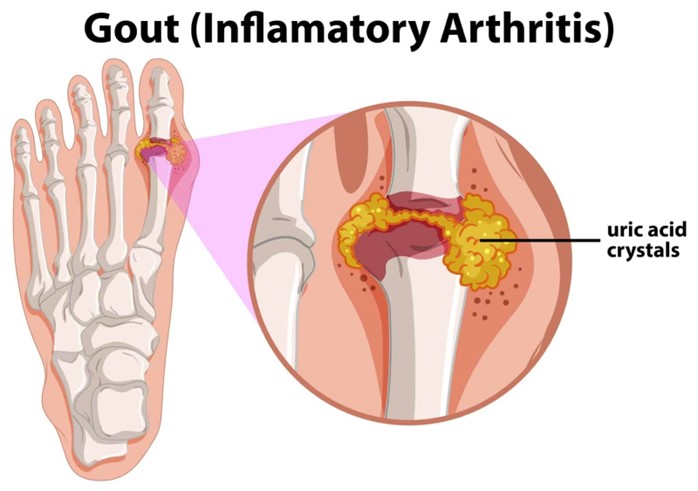
A nurse is teaching a client who has gout about appropriate food choices related to dietary needs. Which of the following choices by the client demonstrates an understanding of the teaching?
A. “I will eat more tuna.”
Eating more tuna is not an appropriate food choice for a client who has gout because it is high in purines, which are substances that break down into uric acid in the body. Uric acid can form crystals in the joints and cause inflammation and pain, which are symptoms of gout. Tuna should be limited or avoided by clients who have gout.
B. “I will eat more red meat.”
Eating more red meat is not an appropriate food choice for a client who has gout because it is high in purines, which are substances that break down into uric acid in the body. Uric acid can form crystals in the joints and cause inflammation and pain, which are symptoms of gout. Red meat should be limited or avoided by clients who have gout.
C. “I will eat blueberries every morning.”
Eating blueberries every morning is an appropriate food choice for a client who has gout because they are low in purines and high in antioxidants, which are substances that protect the cells from damage caused by free radicals. Antioxidants can help reduce inflammation and pain, which are symptoms of gout. Blueberries also provide vitamin C, fiber, and water for the client.
D. “I will eat bananas for a snack.”
Eating bananas for a snack is not an appropriate food choice for a client who has gout because they are high in fructose, which is a type of sugar that can increase uric acid levels in the blood. Fructose can worsen gout attacks by triggering inflammation and pain in the joints. Bananas should be limited or avoided by clients who have gout.
This question is an excerpt from Nurse Dive's nursing test bank - RN Nutrition 2019 Nexy Updated 2023 Proctored Exam. Take the full exam now
Full Explanation
Choice A reason: Eating more tuna is not an appropriate food choice for a client who has gout because it is high in purines, which are substances that break down into uric acid in the body. Uric acid can form crystals in the joints and cause inflammation and pain, which are symptoms of gout. Tuna should be limited or avoided by clients who have gout.
Choice B reason: Eating more red meat is not an appropriate food choice for a client who has gout because it is high in purines, which are substances that break down into uric acid in the body. Uric acid can form crystals in the joints and cause inflammation and pain, which are symptoms of gout. Red meat should be limited or avoided by clients who have gout.
Choice C reason: Eating blueberries every morning is an appropriate food choice for a client who has gout because they are low in purines and high in antioxidants, which are substances that protect the cells from damage caused by free radicals. Antioxidants can help reduce inflammation and pain, which are symptoms of gout. Blueberries also provide vitamin C, fiber, and water for the client.
Choice D reason: Eating bananas for a snack is not an appropriate food choice for a client who has gout because they are high in fructose, which is a type of sugar that can increase uric acid levels in the blood. Fructose can worsen gout attacks by triggering inflammation and pain in the joints. Bananas should be limited or avoided by clients who have gout.
Similar Questions
A nurse is caring for an older adult client who reports difficulty chewing due to missing teeth. Which of the following foods should the nurse recommend for the client?
A. Tuna fish
Tuna fish is a good food choice for an older adult client who has difficulty chewing due to missing teeth because it is soft, moist, and easy to swallow. Tuna fish also provides protein, omega-3 fatty acids, and vitamin D for the client.
B. Roast beef
Roast beef is not a good food choice for an older adult client who has difficulty chewing due to missing teeth because it is tough, dry, and hard to chew. Roast beef can cause pain, fatigue, or choking for the client who has missing teeth. Roast beef should be avoided or cut into very small pieces and moistened with gravy or sauce before consuming.
C. Apple slices
Apple slices are not a good food choice for an older adult client who has difficulty chewing due to missing teeth because they are crisp, firm, and sticky. Apple slices can cause irritation or injury to the gums or mouth or dislodge any remaining teeth. Apple slices should be avoided or cooked until soft and mashed before consuming.
D. Dried fruit
Dried fruit is not a good food choice for an older adult client who has difficulty chewing due to missing teeth because they are chewy, sticky, and sugary. Dried fruit can adhere to the gums or teeth and cause dental caries or gum disease. Dried fruit should be avoided or soaked in water until soft and cut into small pieces before consuming.
Full Explanation
Choice A reason: Tuna fish is a good food choice for an older adult client who has difficulty chewing due to missing teeth because it is soft, moist, and easy to swallow. Tuna fish also provides protein, omega-3 fatty acids, and vitamin D for the client.
Choice B reason: Roast beef is not a good food choice for an older adult client who has difficulty chewing due to missing teeth because it is tough, dry, and hard to chew. Roast beef can cause pain, fatigue, or choking for the client who has missing teeth. Roast beef should be avoided or cut into very small pieces and moistened with gravy or sauce before consuming.
Choice C reason: Apple slices are not a good food choice for an older adult client who has difficulty chewing due to missing teeth because they are crisp, firm, and sticky. Apple slices can cause irritation or injury to the gums or mouth or dislodge any remaining teeth. Apple slices should be avoided or cooked until soft and mashed before consuming.
Choice D reason: Dried fruit is not a good food choice for an older adult client who has difficulty chewing due to missing teeth because they are chewy, sticky, and sugary. Dried fruit can adhere to the gums or teeth and cause dental caries or gum disease. Dried fruit should be avoided or soaked in water until soft and cut into small pieces before consuming.
A nurse is providing teaching to the parent of a newborn who has gastroesophageal reflux (GER). Which of the following instructions should the nurse include?
A. Dilute formula with 1 tablespoon of water.
Dilute formula with 1 tablespoon of water is not a correct instruction for GER. Diluting formula can reduce the nutritional value and increase the volume of the feedings, which can worsen GER symptoms and cause dehydration and malnutrition.
B. Place the newborn in a side-lying position if vomiting.
Place the newborn in a side-lying position if vomiting is not a correct instruction for GER. This position can increase the risk of aspiration, which is the inhalation of vomit into the lungs. Aspiration can cause pneumonia, respiratory distress, and death.
C. Position the newborn at a 20-degree angle after feeding.
Position the newborn at a 20-degree angle after feeding is a correct instruction for GER. This position can help prevent reflux by using gravity to keep the stomach contents down. The newborn should be kept upright for at least 30 minutes after each feeding.
D. Provide a small feeding just before bedtime.
Provide a small feeding just before bedtime is not a correct instruction for GER. This can increase the likelihood of reflux during sleep, as the stomach will be full and prone to regurgitation. The last feeding should be given at least 2 to 3 hours before bedtime.
Full Explanation
Choice A reason: Dilute formula with 1 tablespoon of water is not a correct instruction for GER. Diluting formula can reduce the nutritional value and increase the volume of the feedings, which can worsen GER symptoms and cause dehydration and malnutrition.
Choice B reason: Place the newborn in a side-lying position if vomiting is not a correct instruction for GER. This position can increase the risk of aspiration, which is the inhalation of vomit into the lungs. Aspiration can cause pneumonia, respiratory distress, and death.
Choice C reason: Position the newborn at a 20-degree angle after feeding is a correct instruction for GER. This position can help prevent reflux by using gravity to keep the stomach contents down. The newborn should be kept upright for at least 30 minutes after each feeding.
Choice D reason: Provide a small feeding just before bedtime is not a correct instruction for GER. This can increase the likelihood of reflux during sleep, as the stomach will be full and prone to regurgitation. The last feeding should be given at least 2 to 3 hours before bedtime.
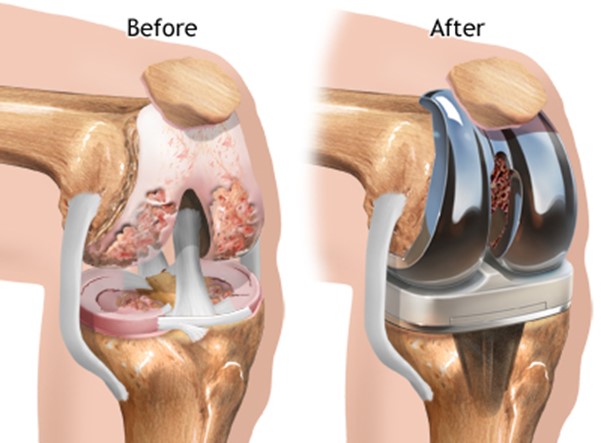
A nurse is teaching a client how to manage edema following knee replacement surgery. Which of the following interventions should the nurse include in the teaching?
A. Apply ice packs for 15 minutes every hour.
Applying ice packs for 15 minutes every hour is not an effective intervention for managing edema following knee replacement surgery because it can impair blood circulation and delay healing. Ice packs can also cause frostbite or nerve damage if applied for too long or too frequently. Ice packs should be used only for the first 24 to 48 hours after surgery and with a cloth barrier between the skin and the ice.
B. Elevate the affected leg above the heart level.
Elevating the affected leg above the heart level is an effective intervention for managing edema following knee replacement surgery because it can reduce swelling and pain by facilitating venous return and lymphatic drainage. Elevation can also prevent blood clots and infection by improving blood flow and oxygen delivery to the wound site.
C. Consume nutrition-dense foods first.
Consuming nutrition-dense foods first is not a relevant intervention for managing edema following knee replacement surgery because it does not directly affect fluid balance or wound healing. Nutrition-dense foods are those that provide high amounts of nutrients per serving, such as eggs, cheese, nuts, beans, and meat. Nutrition-dense foods are important for overall health, but not specifically for edema management.
D. Wear compression stockings during the day.
Wearing compression stockings during the day is not a recommended intervention for managing edema following knee replacement surgery because it can interfere with wound healing and increase the risk of infection. Compression stockings can also cause skin irritation, blisters, or ulcers if worn incorrectly or too tightly. Compression stockings should be avoided until the wound is fully healed and only used under medical supervision.
Full Explanation
Choice A reason: Applying ice packs for 15 minutes every hour is not an effective intervention for managing edema following knee replacement surgery because it can impair blood circulation and delay healing. Ice packs can also cause frostbite or nerve damage if applied for too long or too frequently. Ice packs should be used only for the first 24 to 48 hours after surgery and with a cloth barrier between the skin and the ice.
Choice B reason: Elevating the affected leg above the heart level is an effective intervention for managing edema following knee replacement surgery because it can reduce swelling and pain by facilitating venous return and lymphatic drainage. Elevation can also prevent blood clots and infection by improving blood flow and oxygen delivery to the wound site.
Choice C reason: Consuming nutrition-dense foods first is not a relevant intervention for managing edema following knee replacement surgery because it does not directly affect fluid balance or wound healing. Nutrition-dense foods are those that provide high amounts of nutrients per serving, such as eggs, cheese, nuts, beans, and meat. Nutrition-dense foods are important for overall health, but not specifically for edema management.
Choice D reason: Wearing compression stockings during the day is not a recommended intervention for managing edema following knee replacement surgery because it can interfere with wound healing and increase the risk of infection. Compression stockings can also cause skin irritation, blisters, or ulcers if worn incorrectly or too tightly. Compression stockings should be avoided until the wound is fully healed and only used under medical supervision.