
Nursing practice questions with comprehensive rationales
NurseDive Free Nursing Practice Question
A. I will alternate the first breast that I offer my baby with each feeding.
Alternating the first breast that is offered to the baby with each feeding can help ensure equal stimulation and drainage of both breasts, and prevent engorgement, mastitis, or milk supply problems.
B. I will store my breastmilk in the refrigerator up to 48 hours.
Storing breastmilk in the refrigerator up to 48 hours is not recommended, as it can reduce the quality and quantity of antibodies and nutrients in the milk. The optimal storage time for breastmilk in the refrigerator is up to 24 hours.
C. I will nurse my baby once every 4 hours.
Nursing the baby once every 4 hours is not sufficient, as it can lead to insufficient milk intake, dehydration, weight loss, or jaundice in the baby. The baby should be nursed on demand, or at least every 2 to 3 hours during the day and every 4 hours at night.
D. I will offer my baby water between feedings.
Offering the baby water between feedings is not necessary, as it can interfere with breastfeeding and cause water intoxication or electrolyte imbalance in the baby. Breastmilk provides enough hydration and nutrition for the baby.
This question is an excerpt from Nurse Dive's nursing test bank - RN Nutrition 2019 Nexy Updated 2023 Proctored Exam. Take the full exam now
Full Explanation
Choice A reason: Alternating the first breast that is offered to the baby with each feeding can help ensure equal stimulation and drainage of both breasts, and prevent engorgement, mastitis, or milk supply problems.
Choice B reason: Storing breastmilk in the refrigerator up to 48 hours is not recommended, as it can reduce the quality and quantity of antibodies and nutrients in the milk. The optimal storage time for breastmilk in the refrigerator is up to 24 hours.
Choice C reason: Nursing the baby once every 4 hours is not sufficient, as it can lead to insufficient milk intake, dehydration, weight loss, or jaundice in the baby. The baby should be nursed on demand, or at least every 2 to 3 hours during the day and every 4 hours at night.
Choice D reason: Offering the baby water between feedings is not necessary, as it can interfere with breastfeeding and cause water intoxication or electrolyte imbalance in the baby. Breastmilk provides enough hydration and nutrition for the baby.
Similar Questions
A nurse is teaching a client who is 24 hr postpartum about breastfeeding. Which of the following client statements indicates an understanding of the teaching?
A. I will alternate the first breast that I offer my baby with each feeding.
Alternating the first breast that is offered to the baby with each feeding can help ensure equal stimulation and drainage of both breasts, and prevent engorgement, mastitis, or milk supply problems.
B. I will store my breastmilk in the refrigerator up to 48 hours.
Storing breastmilk in the refrigerator up to 48 hours is not recommended, as it can reduce the quality and quantity of antibodies and nutrients in the milk. The optimal storage time for breastmilk in the refrigerator is up to 24 hours.
C. I will nurse my baby once every 4 hours.
Nursing the baby once every 4 hours is not sufficient, as it can lead to insufficient milk intake, dehydration, weight loss, or jaundice in the baby. The baby should be nursed on demand, or at least every 2 to 3 hours during the day and every 4 hours at night.
D. I will offer my baby water between feedings.
Offering the baby water between feedings is not necessary, as it can interfere with breastfeeding and cause water intoxication or electrolyte imbalance in the baby. Breastmilk provides enough hydration and nutrition for the baby.
Full Explanation
Choice A reason: Alternating the first breast that is offered to the baby with each feeding can help ensure equal stimulation and drainage of both breasts, and prevent engorgement, mastitis, or milk supply problems.
Choice B reason: Storing breastmilk in the refrigerator up to 48 hours is not recommended, as it can reduce the quality and quantity of antibodies and nutrients in the milk. The optimal storage time for breastmilk in the refrigerator is up to 24 hours.
Choice C reason: Nursing the baby once every 4 hours is not sufficient, as it can lead to insufficient milk intake, dehydration, weight loss, or jaundice in the baby. The baby should be nursed on demand, or at least every 2 to 3 hours during the day and every 4 hours at night.
Choice D reason: Offering the baby water between feedings is not necessary, as it can interfere with breastfeeding and cause water intoxication or electrolyte imbalance in the baby. Breastmilk provides enough hydration and nutrition for the baby.
A nurse is teaching a client about foods high in iron. Which of the following food choices by the client indicates an understanding of the teaching?
A. Baked sweet potato
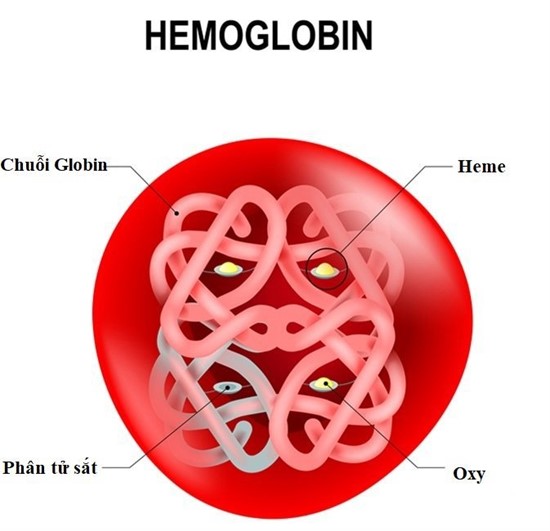
Baked sweet potato is a good source of iron, which is a mineral that helps make hemoglobin, the protein in red blood cells that carries oxygen. Iron deficiency can cause anemia, weakness, fatigue, and pale skin.
B. Cauliflower
Cauliflower is not a good source of iron, but it is a good source of vitamin C, which can help increase iron absorption from plant sources. Cauliflower is also a good source of fiber, folate, and antioxidants.
C. Egg white omelet
Egg white omelet is not a good source of iron, but it is a good source of protein, which can help with tissue repair and growth. Egg white omelet is also low in fat and cholesterol.
D. Brown rice
Brown rice is not a good source of iron, but it is a good source of carbohydrates, which can provide energy and prevent protein breakdown. Brown rice is also a good source of fiber, B vitamins, and magnesium.
Full Explanation
Choice A reason: Baked sweet potato is a good source of iron, which is a mineral that helps make hemoglobin, the protein in red blood cells that carries oxygen. Iron deficiency can cause anemia, weakness, fatigue, and pale skin.
Choice B reason: Cauliflower is not a good source of iron, but it is a good source of vitamin C, which can help increase iron absorption from plant sources. Cauliflower is also a good source of fiber, folate, and antioxidants.
Choice C reason: Egg white omelet is not a good source of iron, but it is a good source of protein, which can help with tissue repair and growth. Egg white omelet is also low in fat and cholesterol.
Choice D reason: Brown rice is not a good source of iron, but it is a good source of carbohydrates, which can provide energy and prevent protein breakdown. Brown rice is also a good source of fiber, B vitamins, and magnesium.
A nurse is providing teaching to a client about high-fiber foods. Which of the following foods should the nurse include as containing the highest amount of fiber?
A. 1/2 cup cooked broccoli
1/2 cup cooked broccoli contains about 2.6 grams of fiber, which is moderate compared to other foods. Broccoli is also a good source of vitamin C, folate, and antioxidants.
B. 1 slice whole wheat bread
1 slice whole wheat bread contains about 2 grams of fiber, which is low compared to other foods. Whole wheat bread is also a good source of carbohydrates, B vitamins, and magnesium.
C. 1 medium apple with peel
1 medium apple with peel contains about 4.4 grams of fiber, which is high compared to other foods. Apple is also a good source of vitamin C, potassium, and phytochemicals.
D. 1/2 cup corn flakes with skim milk
1/2 cup corn flakes with skim milk contains about 0.5 grams of fiber, which is very low compared to other foods. Corn flakes are also high in sugar and low in nutrients, while skim milk is a good source of protein and calcium.
Full Explanation
Choice A reason: 1/2 cup cooked broccoli contains about 2.6 grams of fiber, which is moderate compared to other foods. Broccoli is also a good source of vitamin C, folate, and antioxidants.
Choice B reason: 1 slice whole wheat bread contains about 2 grams of fiber, which is low compared to other foods. Whole wheat bread is also a good source of carbohydrates, B vitamins, and magnesium.
Choice C reason: 1 medium apple with peel contains about 4.4 grams of fiber, which is high compared to other foods. Apple is also a good source of vitamin C, potassium, and phytochemicals.
Choice D reason: 1/2 cup corn flakes with skim milk contains about 0.5 grams of fiber, which is very low compared to other foods. Corn flakes are also high in sugar and low in nutrients, while skim milk is a good source of protein and calcium.