Nursing practice questions with comprehensive rationales
NurseDive Free Nursing Practice Question
A nurse is teaching a client who is at 10 weeks of gestation about increasing folate in her diet. Which of the following food choices should the nurse recommend as the best source of folate?
A. 1/2 cup cooked asparagus
1/2 cup cooked asparagus: Asparagus is a good source of folate, and 1/2 cup of cooked asparagus contains approximately 134 micrograms of folate.
B. 1/2 cup plain low-fat yogurt
1/2 cup plain low-fat yogurt: While yogurt is a healthy food choice, it is not a significant source of folate.
C. 1 medium apple
1 medium apple: Apples are generally low in folate content and not considered a rich source of this nutrient.
D. 1 small banana
1 small banana: Bananas are also not known for their folate content and do not provide a significant amount of this nutrient.
This question is an excerpt from Nurse Dive's nursing test bank - ATI RN Nutrition 2019 Proctored Exam. Take the full exam now
Full Explanation
Folate, also known as vitamin B9, is an essential nutrient during pregnancy as it plays a crucial role in the development of the baby's neural tube. When teaching a client about increasing folate in their diet during pregnancy, it's important to recommend foods that are rich in this nutrient.
1/2 cup cooked asparagus: Asparagus is a good source of folate, and 1/2 cup of cooked asparagus contains approximately 134 micrograms of folate.
1/2 cup plain low-fat yogurt: While yogurt is a healthy food choice, it is not a significant source of folate.
1 medium apple: Apples are generally low in folate content and not considered a rich source of this nutrient.
1 small banana: Bananas are also not known for their folate content and do not provide a significant amount of this nutrient.
Given the options provided, 1/2 cup cooked asparagus is the best source of folate. It is important to note that other food sources rich in folate include dark leafy greens, legumes, fortified cereals, and citrus fruits. Encouraging a varied and balanced diet that incorporates these folate-rich foods can help ensure adequate folate intake during pregnancy.
Similar Questions
A nurse in a critical care unit is assessing an adult client. Which of the following findings by the nurse indicates a fluid volume deficit?
A. Pulse rate 118/min
Pulse rate of 118/min: In a client with fluid volume deficit, the pulse rate often increases as the body compensates for reduced blood volume.
B. Blood pressure 152/90 mm Hg
Blood pressure of 152/90 mm Hg: This blood pressure reading does not specifically indicate fluid volume deficit as it can be influenced by various factors, including vascular tone and cardiac function.
C. Temperature 37.2° C (99° F)
Temperature of 37.2° C (99° F): This temperature reading is within the normal range and does not directly reflect fluid volume status.
D. Central venous pressure 25 mm Hg
This is elevated and typically suggests fluid volume excess rather than deficit.
Full Explanation
A. Pulse rate of 118/min: In a client with fluid volume deficit, the pulse rate often increases as the body compensates for reduced blood volume.
B. Blood pressure of 152/90 mm Hg: This blood pressure reading does not specifically indicate fluid volume deficit as it can be influenced by various factors, including vascular tone and cardiac function.
C. Temperature of 37.2° C (99° F): This temperature reading is within the normal range and does not directly reflect fluid volume status.
D. Central venous pressure 25 mm Hg: This is elevated and typically suggests fluid volume excess rather than deficit.
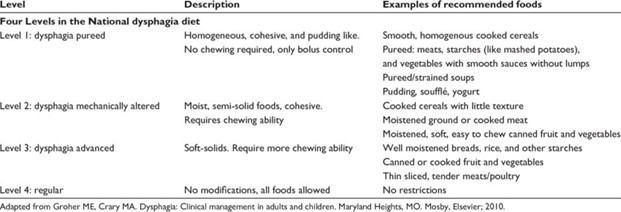
A nurse is caring for a client who has dysphagia and requires a level 1 dysphagia diet. Which of the following foods should the nurse choose for this client?
A. Chicken noodle soup
Chicken noodle soup: This option typically contains solid ingredients such as chicken, noodles, and vegetables, which are not suitable for a level 1 dysphagia diet. The client may have difficulty swallowing these solid components.
B. Apple juice
Apple juice: Liquids, including apple juice, are generally not included in a level 1 dysphagia diet as they require minimal swallowing effort. However, it is essential to consult a speech-language pathologist or dysphagia specialist regarding the client's specific liquid consistency recommendations.
C. Pudding
Pudding: Pudding is an ideal choice for a level 1 dysphagia diet as it can be easily pureed to a smooth consistency that is safe for swallowing. It provides a creamy and soft texture that is easier for individuals with dysphagia to manage.
D. Milk
Milk: Milk is not typically recommended for a level 1 dysphagia diet as it is a liquid and requires minimal swallowing effort. Similar to apple juice, specific liquid consistency recommendations should be sought from a dysphagia specialist.
Full Explanation
A level 1 dysphagia diet, also known as a pureed diet, is recommended for individuals with severe swallowing difficulties. It involves pureeing or blending all foods to a smooth consistency to facilitate swallowing and prevent choking.
● Chicken noodle soup: This option typically contains solid ingredients such as chicken, noodles, and vegetables, which are not suitable for a level 1 dysphagia diet. The client may have difficulty swallowing these solid components.
● Apple juice: Liquids, including apple juice, are generally not included in a level 1 dysphagia diet as they require minimal swallowing effort. However, it is essential to consult a speech-language pathologist or dysphagia specialist regarding the client's specific liquid consistency recommendations.
● Pudding: Pudding is an ideal choice for a level 1 dysphagia diet as it can be easily pureed to a smooth consistency that is safe for swallowing. It provides a creamy and soft texture that is easier for individuals with dysphagia to manage.
● Milk: Milk is not typically recommended for a level 1 dysphagia diet as it is a liquid and requires minimal swallowing effort. Similar to apple juice, specific liquid consistency recommendations should be sought from a dysphagia specialist.
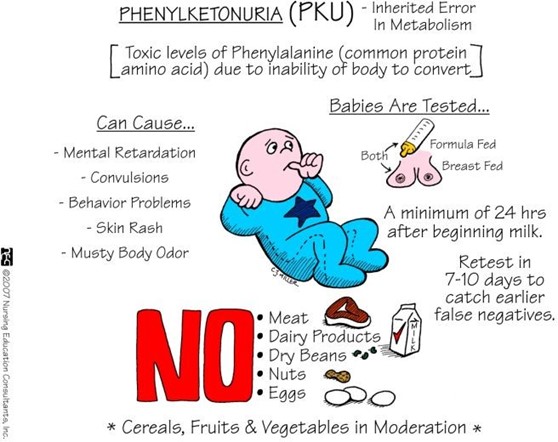
A nurse is providing anticipatory guidance to a client who has phenylketonuria (PKU) and is planning a pregnancy. Which of the following information should the nurse include in the discussion?
A. "Diet sodas should not be consumed more than two or three times per week."
"Diet sodas should not be consumed more than two or three times per week": While it is generally advisable to limit the consumption of diet sodas due to their artificial sweeteners, this statement does not directly relate to PKU management or pregnancy planning.
B. "A low-protein diet should be followed for 3 months prior to conception."
"A low-protein diet should be followed for 3 months prior to conception": A low-protein diet is a fundamental aspect of managing PKU. PKU management should be ongoing and tailored to the individual's needs, with dietary adjustments made as necessary throughout pregnancy.A low-protein diet is necessary to manage phenylalanine levels and prevent adverse effects on the developing baby.
C. "Serum bilirubin should be monitored one to two times per month during pregnancy."
Monitoring serum bilirubin levels is not a standard practice during pregnancy for individuals with PKU. The focus of monitoring in PKU during pregnancy is primarily on phenylalanine levels to prevent maternal and fetal complications related to high phenylalanine levels.
D. "Breastfeeding will prevent your baby from developing PKU."
"Breastfeeding will prevent your baby from developing PKU": This statement is incorrect. Breast milk naturally contains phenylalanine, which could be harmful to an infant with PKU. Infants with PKU must receive a specialized formula that is low in phenylalanine from birth. Breastfeeding is not recommended for infants with PKU unless specifically guided by a healthcare professional.
Full Explanation
Phenylketonuria (PKU) is an inherited metabolic disorder in which the body cannot properly process an amino acid called phenylalanine. If left untreated, phenylalanine can build up to harmful levels in the body, leading to intellectual disability and other health problems. Managing PKU involves following a strict low-phenylalanine diet.
When discussing anticipatory guidance for a client with PKU who is planning a pregnancy, it is important to focus on monitoring the maternal phenylalanine levels during pregnancy. Serum bilirubin is not directly related to PKU management and would not require specific monitoring in this context.
Regarding the other options:
"Diet sodas should not be consumed more than two or three times per week": While it is generally advisable to limit the consumption of diet sodas due to their artificial sweeteners, this statement does not directly relate to PKU management or pregnancy planning.
"A low-protein diet should be followed for 3 months prior to conception": A low-protein diet is a fundamental aspect of managing PKU. However, the timeline mentioned (3 months prior to conception) is not supported by current guidelines. PKU management should be ongoing and tailored to the individual's needs, with dietary adjustments made as necessary throughout pregnancy.
"Breastfeeding will prevent your baby from developing PKU": This statement is incorrect. Breast milk naturally contains phenylalanine, which could be harmful to an infant with PKU. Infants with PKU must receive a specialized formula that is low in phenylalanine from birth. Breastfeeding is not recommended for infants with PKU unless specifically guided by a healthcare professional.