
Nursing practice questions with comprehensive rationales
NurseDive Free Nursing Practice Question
A nurse is teaching a client who is at 30 weeks of gestation and has coarctation of the aorta. Which of the following statements should the nurse include regarding this congenital heart defect?
A. "You will receive terbutaline if you experience preterm labor."
Terbutaline is a medication used to inhibit uterine contractions and is not directly related to managing coarctation of the aorta.
B. "You will be encouraged to receive epidural anesthesia during labor."
Coarctation of the aorta is a congenital heart defect characterized by narrowing of the aorta, which can lead to increased pressure and decreased blood flow to the lower part of the body. During labor, epidural anesthesia is often recommended for clients with coarctation of the aorta to reduce stress and pain, as well as to maintain stable blood pressure.
C. "You will be placed in a supine position during labor."
Placing a client with coarctation of the aorta in a supine position during labor can worsen the obstruction of blood flow and is contraindicated. Left lateral positioning or other positions that enhance venous return are preferred.
D. "You have an increased risk of developing preeclampsia."
There is no established increased risk of preeclampsia in clients with coarctation of the aorta.
This question is an excerpt from Nurse Dive's nursing test bank - RN ati Concept-based assessment level proctored exam. Take the full exam now
Full Explanation
Choice A rationale:
Terbutaline is a medication used to inhibit uterine contractions and is not directly related to managing coarctation of the aorta.
Choice B rationale:
Coarctation of the aorta is a congenital heart defect characterized by narrowing of the aorta, which can lead to increased pressure and decreased blood flow to the lower part of the body. During labor, epidural anesthesia is often recommended for clients with coarctation of the aorta to reduce stress and pain, as well as to maintain stable blood pressure.
Choice C rationale:
Placing a client with coarctation of the aorta in a supine position during labor can worsen the obstruction of blood flow and is contraindicated. Left lateral positioning or other positions that enhance venous return are preferred.
Choice D rationale:
There is no established increased risk of preeclampsia in clients with coarctation of the aorta.
Similar Questions
A nurse is providing teaching to a young adult client who has fibrocystic breast condition. Which of the following instructions should the nurse include in the teaching?
A. Wear a supportive bra 24 hr a day.
While wearing a supportive bra is generally advisable, wearing it 24 hours a day is not necessary and may cause discomfort.
B. Perform a breast self-exam 1 week before menstruation.
Performing a breast self-exam 1 week after menstruation is recommended for individuals with fibrocystic breast condition. Hormonal changes during the menstrual cycle can affect breast tissue, and examining the breasts when they are less likely to be affected by hormonal fluctuations can provide a more accurate baseline for self-examination.
C. Have a mammogram every 4 years.
Mammograms are recommended more frequently than every 4 years, especially for those with fibrocystic breast condition or other risk factors.
D. Increase caffeine intake.
Increasing caffeine intake can exacerbate symptoms of fibrocystic breast condition. Caffeine is known to contribute to breast pain and tenderness.
Full Explanation
Choice A rationale:
While wearing a supportive bra is generally advisable, wearing it 24 hours a day is not necessary and may cause discomfort.
Choice B rationale:
Performing a breast self-exam 1 week after menstruation is recommended for individuals with fibrocystic breast condition. Hormonal changes during the menstrual cycle can affect breast tissue, and examining the breasts when they are less likely to be affected by hormonal fluctuations can provide a more accurate baseline for self-examination.
Choice C rationale:
Mammograms are recommended more frequently than every 4 years, especially for those with fibrocystic breast condition or other risk factors.
Choice D rationale:
Increasing caffeine intake can exacerbate symptoms of fibrocystic breast condition. Caffeine is known to contribute to breast pain and tenderness.
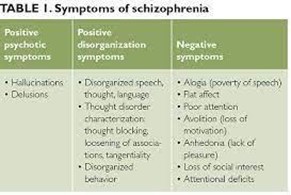
A nurse is assessing a client who has schizophrenia. Which of the following findings should the nurse identify as a negative symptom of schizophrenia?
A. Magical thinking
Magical thinking is a positive symptom of schizophrenia, involving unrealistic beliefs or perceptions.
B. Flat affect
A flat affect is a negative symptom of schizophrenia characterized by reduced emotional expression. Negative symptoms involve a decrease or loss of normal functioning, and a flat affect is one of the most common negative symptoms seen in schizophrenia.
C. Ideas of reference
Ideas of reference are also a positive symptom, involving the belief that neutral or unrelated events have special significance related to oneself.
D. Clang association
Clang association is another positive symptom, involving the association of words based on similar sounds rather than meaningful connections
Full Explanation
Choice A rationale:
Magical thinking is a positive symptom of schizophrenia, involving unrealistic beliefs or perceptions.
Choice B rationale:
A flat affect is a negative symptom of schizophrenia characterized by reduced emotional expression. Negative symptoms involve a decrease or loss of normal functioning, and a flat affect is one of the most common negative symptoms seen in schizophrenia.
Choice C rationale:
Ideas of reference are also a positive symptom, involving the belief that neutral or unrelated events have special significance related to oneself.
Choice D rationale:
Clang association is another positive symptom, involving the association of words based on similar sounds rather than meaningful connections
A nurse is developing a plan of care for a client who has obsessive-compulsive disorder.
Which of the following interventions should the nurse include?
A. Allow the client autonomy in scheduling daily activities.
Clients with obsessive-compulsive disorder (OCD) often benefit from maintaining control over their daily activities and schedules. Allowing the client autonomy in scheduling activities can help them manage their symptoms while feeling in control.
B. Administer an antipsychotic medication to the client.
Antipsychotic medications are not the first-line treatment for OCD, and their use would depend on the presence of other coexisting conditions.
C. Provide ample time for rituals in the early treatment stages.
Providing ample time for rituals may inadvertently reinforce the compulsive behaviors associated with OCD. Cognitive-behavioral therapy (CBT) with exposure and response prevention is the recommended treatment for OCD.
D. Initiate implosion therapy for the client.
Implosion therapy, also known as flooding, exposes the client to anxiety-provoking stimuli in a controlled and safe environment. However, it is not typically the first-line treatment for OCD and requires careful implementation under the guidance of a mental health professional.
Full Explanation
Choice A rationale:
Clients with obsessive-compulsive disorder (OCD) often benefit from maintaining control over their daily activities and schedules. Allowing the client autonomy in scheduling activities can help them manage their symptoms while feeling in control.
Choice B rationale:
Antipsychotic medications are not the first-line treatment for OCD, and their use would depend on the presence of other coexisting conditions.
Choice C rationale:
Providing ample time for rituals may inadvertently reinforce the compulsive behaviors associated with OCD. Cognitive-behavioral therapy (CBT) with exposure and response prevention is the recommended treatment for OCD.
Choice D rationale:
Implosion therapy, also known as flooding, exposes the client to anxiety-provoking stimuli in a controlled and safe environment. However, it is not typically the first-line treatment for OCD and requires careful implementation under the guidance of a mental health professional.